
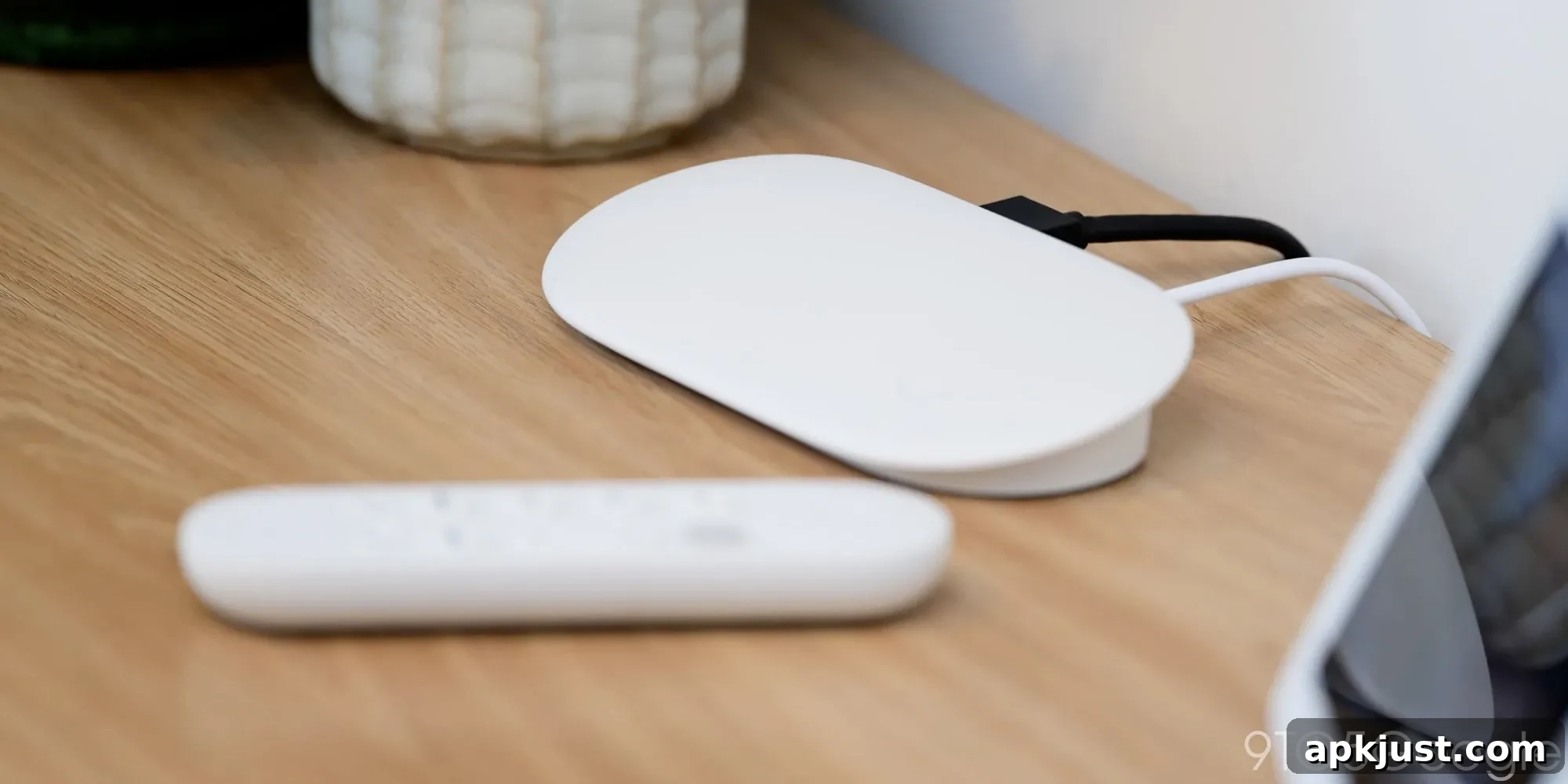
Google has quietly increased the price of its Google TV Streamer 4K to $149.99 in the United States, representing a $50 jump from the device’s initial $99.99 launch price. The change is notable given the streamer’s relatively recent introduction and the fact that it has seen promotional discounts during holiday periods in the past. This adjustment appears on official retail listings and has begun to appear at several major sellers, signaling a broader shift in retail pricing for Google’s streaming hardware.
The new $149.99 price is already visible on store pages for the product, while some third-party retailers remain at the original price for now. Those remaining listings could reflect existing inventory sold at previous pricing, regional pricing differences, or a delay in updating online pages. Still, the move by Google to update its official price signals that the company is recalibrating how it prices the device going forward.
A likely driver behind this increase is the rising cost of components. The Google TV Streamer ships with 4 GB of RAM and 32 GB of storage, and overall component inflation — particularly for memory and certain semiconductor parts — has been affecting many consumer electronics categories. Similar price adjustments have appeared across other Google hardware lines this year, suggesting component costs and supply-chain pressures are being reflected in retail prices.
Google’s broader hardware lineup has shown signs of higher pricing as well. Some recent Pixel devices and other Nest products have seen price changes that align with the trend of rising component costs. For consumers, this means devices that were previously positioned at aggressive entry-level prices may now carry increased price tags. Even when companies offer continued software support and periodic feature updates, hardware prices can be affected by the underlying cost of parts, manufacturing, logistics, and currency fluctuations.
The Google Home Speaker remains listed at $99.99, which suggests Google may have already built higher component costs into the pricing for devices released earlier in the year. At the same time, various Nest cameras and doorbell products are seeing price increases that took effect on the same date as the streamer’s adjustment. This pattern indicates a coordinated pricing update across multiple smart home products rather than an isolated change for a single item.
Google provided the following statement regarding the changes:
Due to rising component costs, we are adjusting the U.S. pricing of select Google Nest cameras, doorbells and Google TV streamer 4K, effective August 31. We remain committed to providing our customers with industry-leading smart home security and continuous feature updates.
From a practical standpoint, buyers considering the Google TV Streamer should weigh current sale prices, the likelihood of future discounts, and how the device fits into their existing streaming ecosystem. The streamer supports 4K HDR playback and integrates with Google TV software, which may make it an attractive option for those invested in Google’s services and smart home features. However, with the new price in place, consumers may want to compare features and value across competing streaming devices to ensure they are getting the best fit for their needs and budget.
Retailers that still list the streamer at its original launch price could be selling through older inventory or slowly updating their listings. Shoppers who prefer to buy at the lower price may find limited stock at those prices or could opt to wait for promotions or bundled offers. For those who prioritize the latest price transparency, checking official store listings and timing purchases around sales events remains good practice.
In summary, the Google TV Streamer’s new $149.99 price reflects a broader trend of rising component costs impacting consumer electronics. Google’s statement emphasizes a continued commitment to product updates and smart home security features, while the market reacts to the updated pricing across multiple retailers and product lines. Consumers should consider current pricing, device capabilities, and potential future promotions when deciding whether to purchase at the new price point.
Thanks James