
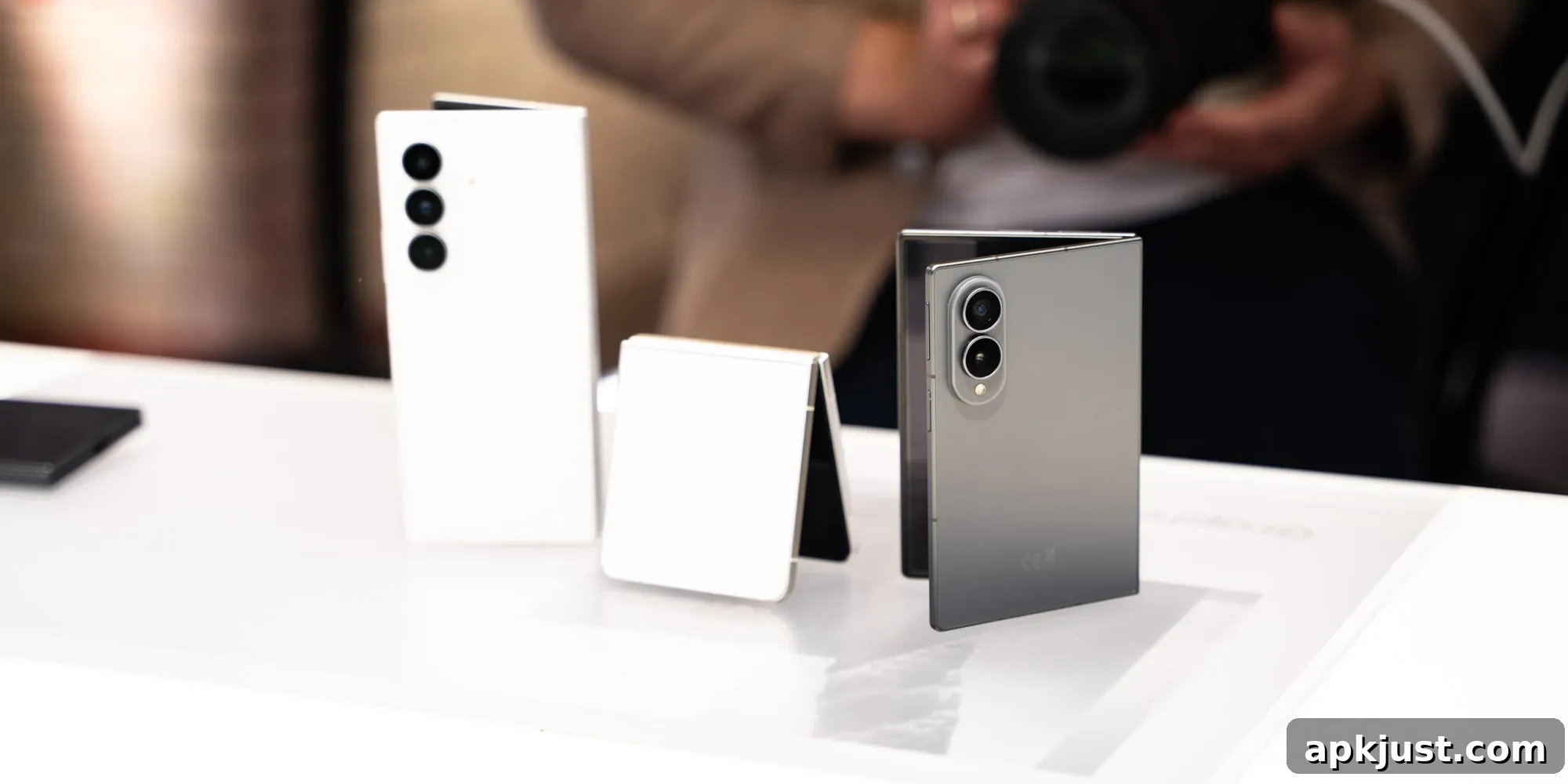
Samsung has moved to silicon-carbon battery technology for its new Galaxy Z Fold 8 series, but regulatory filings indicate those cells sacrifice some lifespan compared with previous flagships.
EU regulatory documents for the Galaxy Z Fold 8, Fold 8 Ultra, and Flip 8 show the silicon-carbon batteries are rated for roughly 1,200 full charge cycles before falling to 80% of their original capacity. That is a noticeable reduction from the roughly 2,000 cycles listed for the Galaxy Z Fold 7 and many last-generation Samsung flagships.
A 1,200-cycle expectation is common for many of Samsung’s more budget-friendly models, but it is unusually low for a flagship by Samsung’s previous standards. Given that the battery chemistry is the main change in this generation, the move to silicon-carbon is likely the primary factor behind the reduced cycle count.
Silicon-carbon brings clear advantages: it enables higher energy density and helps manufacturers increase capacity without significantly increasing battery thickness. That trade-off allowed Samsung to boost battery capacity across its latest foldable lineup, improving day-to-day battery life compared with last year’s models. At the same time, silicon-carbon cells are known to degrade differently than traditional lithium-ion cells and can experience physical changes over time, such as volumetric expansion, which can affect long-term durability.
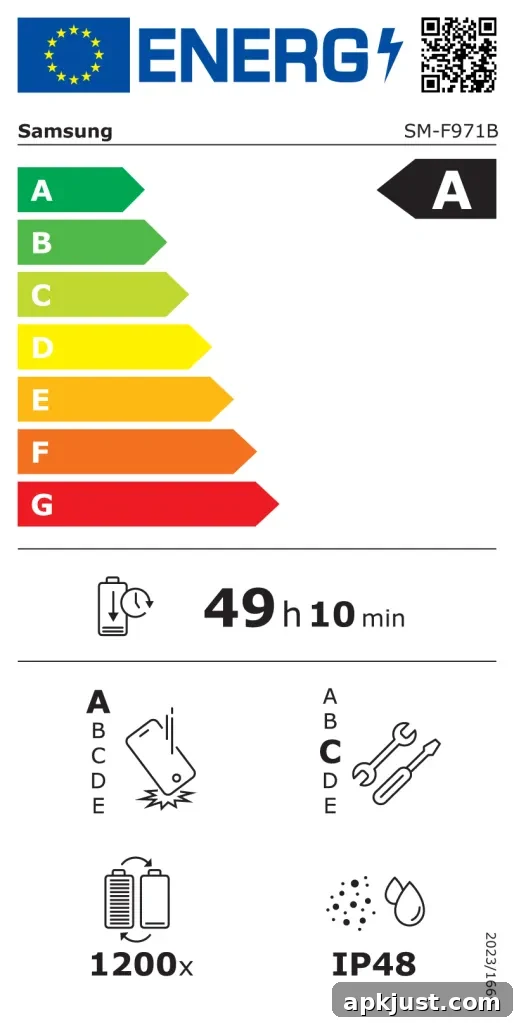
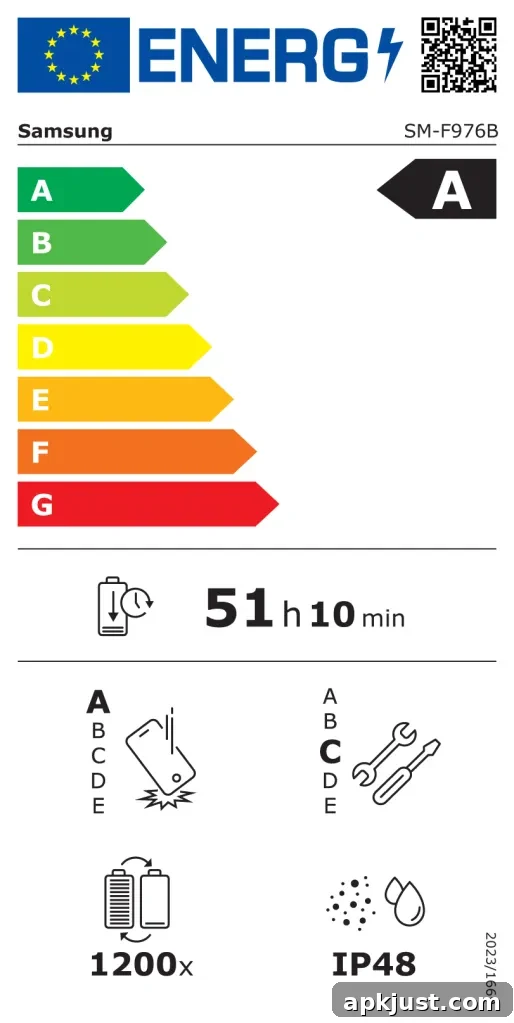
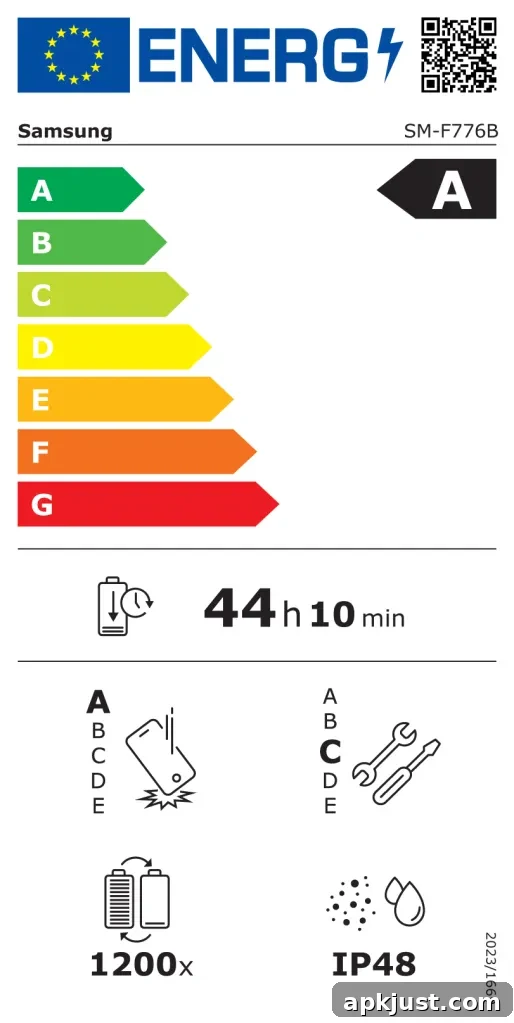
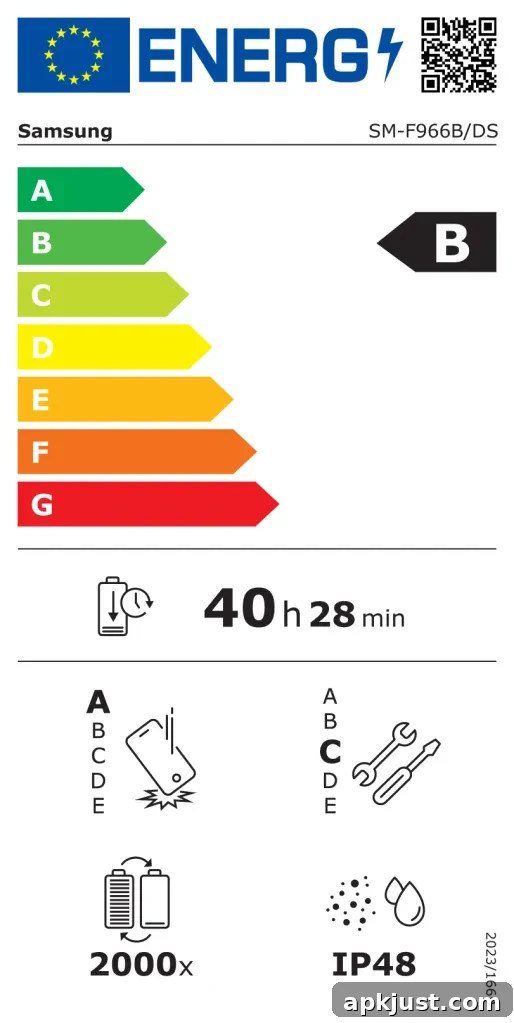
Samsung acknowledged safety and longevity as priorities when discussing its silicon-carbon implementation ahead of its Unpacked event, and the company says it designed the batteries with both considerations in mind. Nevertheless, material science sets hard limits: silicon-carbon chemistry behaves differently than conventional lithium-ion, and those differences include a faster capacity decline under repeated full-cycle charging.
Despite the lower cycle rating, the net result for users is generally positive in day-to-day use. The new cells permit higher capacity in the Fold 8 series, delivering noticeably longer runtime on a single charge than last year’s models. For consumers who value longer single-charge battery life over extremely long cycle counts, this represents a meaningful improvement.
It’s also worth noting that Samsung still outperforms some competitors on the 80% capacity metric. According to reporting from industry sources, both recent Pixel and iPhone models cite around 1,000 cycles to 80% capacity—lower than the roughly 1,200-cycle rating Samsung lists for its new foldables.
For buyers, the change to silicon-carbon means a couple of practical takeaways: you can expect better battery life per charge with the new Fold 8 models, but over an extended ownership period the battery may reach 80% of its original capacity sooner than earlier Samsung flagships did. How that impacts real-world device longevity will depend on how aggressively a user charges and discharges their phone and whether they rely on fast charging or keep the device on constant charge.
Galaxy Z Fold 8, Fold 8 Ultra, and Flip 8 are available for pre-order now. If long-term battery cycle life is a top priority, prospective buyers should weigh the improved daily runtime against the lower cycle rating when choosing their next device.
More on Samsung:
- Samsung made the Galaxy Z Fold 8 a worse deal for those who actually want to switch
- Ask me anything about Samsung’s new, wide Galaxy Z Fold 8
- Samsung made it way easier to open up its Galaxy Z Fold 8 foldables
Follow Ben: Twitter/X, Threads, Bluesky, and Instagram