
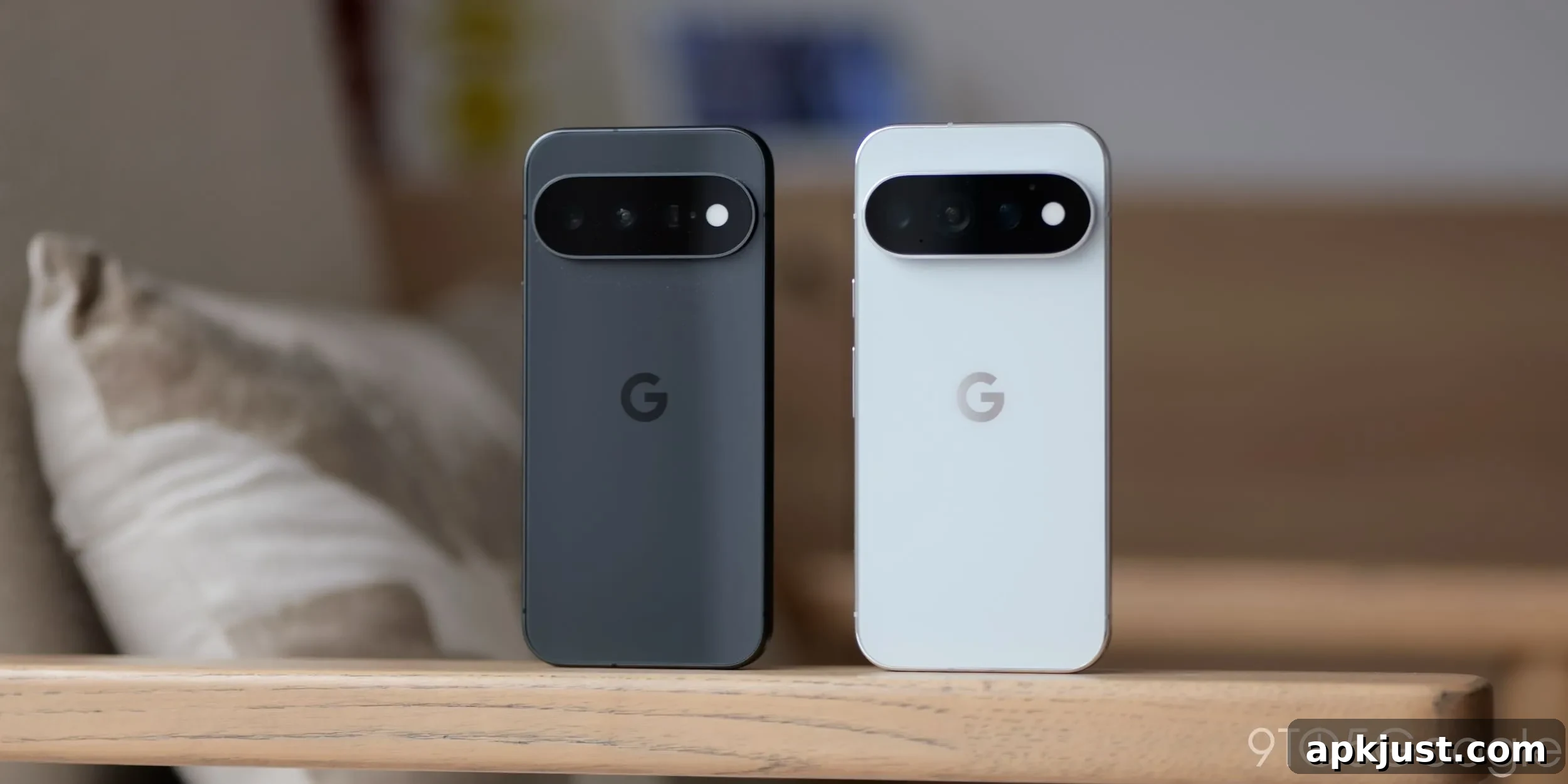
More of the same isn’t always a bad thing, but sometimes repeating a formula can leave you wondering if meaningful progress was made. That’s the question with the Pixel 11 and Pixel 11 Pro: incremental upgrades, or enough to justify an upgrade? Read on to see how the two models compare across hardware, software, battery, and camera performance.
- Pixel 10 vs. Pixel 10 Pro: Closer together than ever? [Video]
Table of contents
- Hardware
- Software
- Battery
- Camera
- Pixel 11 vs. Pixel 11 Pro: Which should I choose?
Hardware
Design-wise, the Pixel 11 and Pixel 11 Pro continue Google’s restrained aesthetic: familiar silhouettes that echo the Pixel 10 series. The most notable hardware change is the camera bar. Google moved to a glass camera bar and refined its profile. The Pixel 11’s camera bar is slimmer and less obtrusive, while the Pixel 11 Pro’s bar still protrudes more noticeably. If you plan to use third-party cases, verify compatibility for both models to avoid a camera hump that could be exposed or susceptible to damage.
Screen differences matter. The Pixel 11 Pro uses a higher-resolution panel (1280 x 2856) and supports LTPO 1–120Hz variable refresh for smoother adaptive performance. The base Pixel 11 sticks with 1080 x 2424 resolution, a non-LTPO panel, and a 60–120Hz refresh range. Both panels are extremely bright: the Pixel 11 can reach up to 3,000 nits peak brightness and the Pro up to 3,600 nits. For protection, both phones use Corning Gorilla Glass Victus 2; the Pro adds an additional anti-scratch coating that significantly improves scratch resistance.
Memory and storage configurations differ slightly. The standard Pixel 11 ships with 12GB of RAM and comes in 256GB or 512GB storage options. The Pixel 11 Pro starts at 12GB RAM with 256GB storage, with 16GB RAM available only on the higher 512GB and 1TB models. UFS 4.0 is standard on base tiers, while Zoned UFS is reserved for higher-capacity variants, so faster sustained storage performance requires choosing an upgraded capacity.
Other distinctions include wireless and connectivity features: the Pixel 11 supports Wi‑Fi 6E, while the Pixel 11 Pro steps up to Wi‑Fi 7 and adds UWB support, which can improve device-to-device interactions and support certain digital car key functions. The Pro also includes HiLight, a subtle colored LED integrated into the camera module that acts as a face-down notification indicator; at launch its functionality is basic, but it does provide a visual cue for certain interactions.
Software
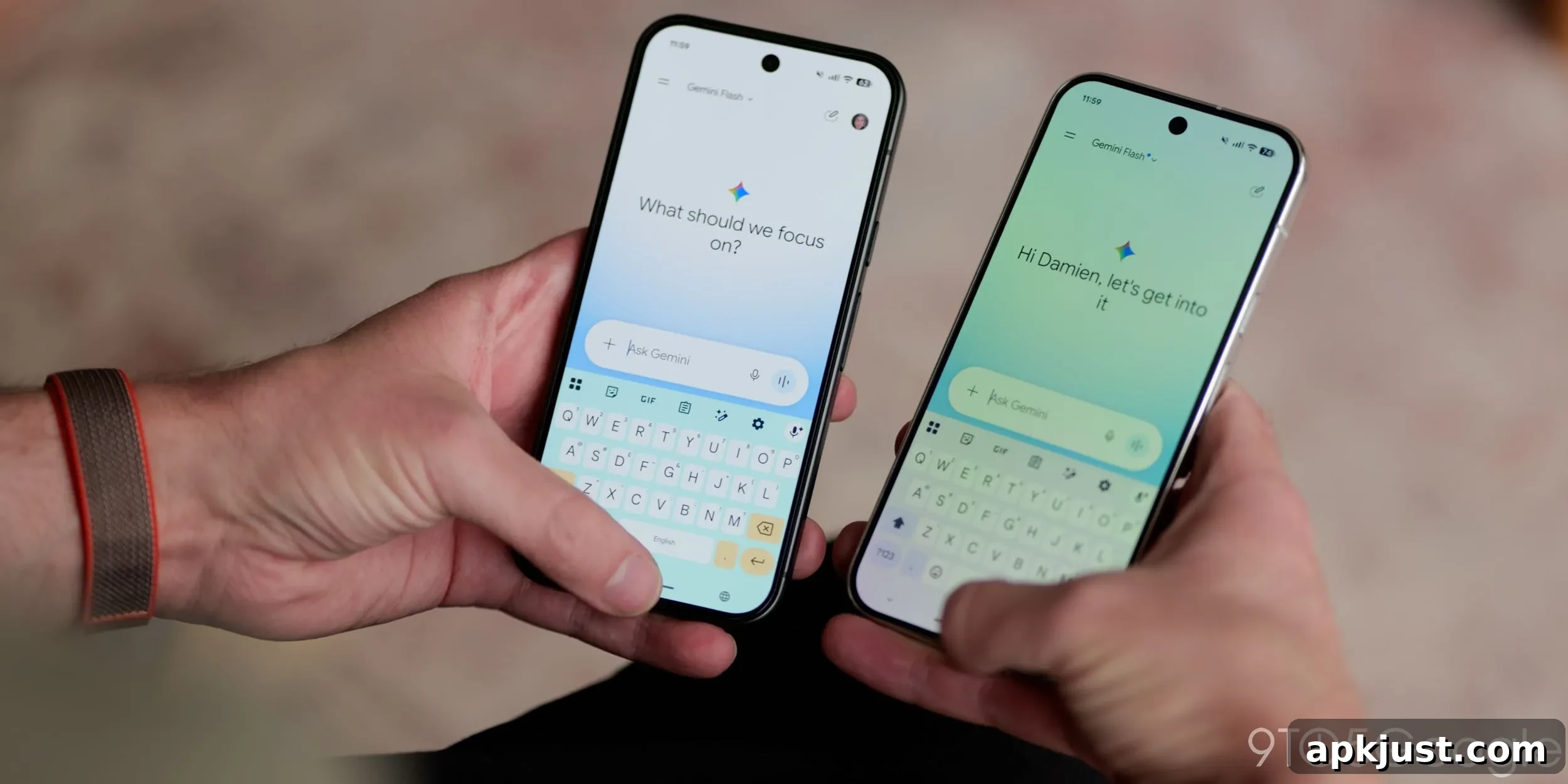
Both phones run Android 17 with the same core feature set and Pixel experience. There are no exclusive software perks for the Pro beyond what hardware upgrades may enable (for example, faster storage or more RAM on certain models). New AI-powered features arrive across the lineup, including Gemini Intelligence for proactively handling common tasks and various conversation and productivity enhancements that aim to simplify routine actions like booking reservations or comparing shared links directly in chats.
Gboard sees improvements too: Rambler cleans up filler words in voice-to-text conversions, and Sign-to-Text translates sign language in real time using the front-facing camera. Photo and video editing also benefit from Gemini-driven tools such as Edit with Ask Photos, sensor-level Camera Looks for customizable film-like aesthetics, and a Creator Suite for more advanced production control. Magic Capture automatically extracts the best HDR+ frames from short video clips and offers real-time 4K Portrait bokeh video on both models.
Google promises seven years of OS, security, and Pixel Drop updates for the Pixel 11 series, which means software support should extend well into the next decade. How the hardware holds up over that lifespan will depend on individual use patterns and how aggressively new features demand system resources.
Battery
Surprisingly, the base Pixel 11 has the larger battery at 4,985 mAh compared to the Pixel 11 Pro’s 4,850 mAh, even though both phones share similar external dimensions. Both support rapid wired charging that can reach roughly 55% in about 30 minutes when paired with a 30W USB-C PPS charger or higher. Wireless charging has been improved with Qi2.2-certified Pixelsnap compatibility, allowing up to 25W charging on both models—faster than previous generations and especially convenient for existing Pixelsnap users.
Camera
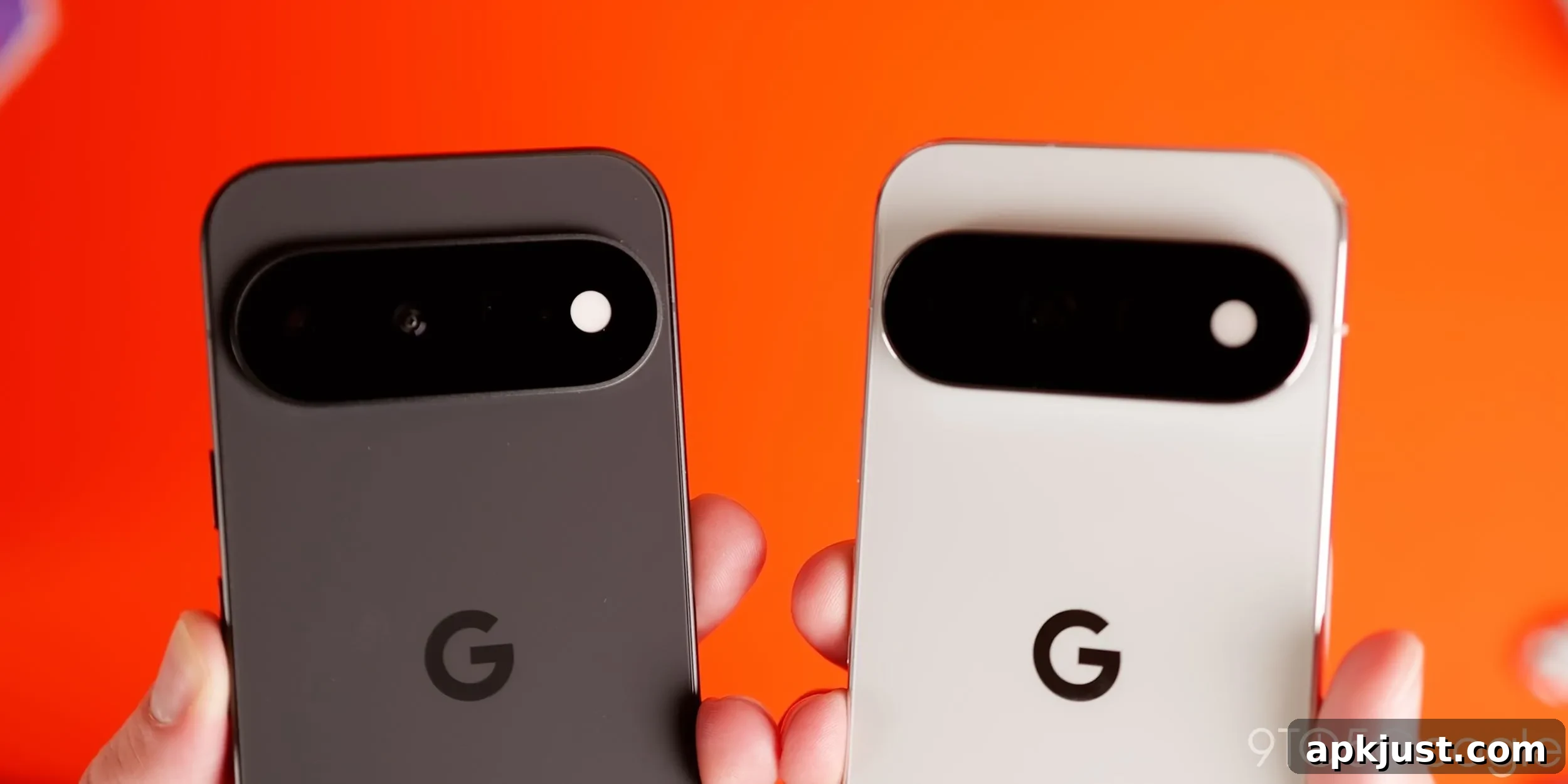
Camera capability will likely be the deciding factor for most buyers. The Pixel 11 upgrades the main sensor to 48MP, a meaningful jump from the previous generation’s 10MP base sensor. This larger sensor boosts light sensitivity and improves overall image quality. The ultrawide and telephoto optics on the base model remain unchanged from the Pixel 10 (13MP ultrawide and a 10.8MP 5x telephoto), but software enhancements and the stronger main sensor lift the everyday photo experience. Super Zoom on the base Pixel 11 is extended to 30x, thanks in part to the Tensor G6 chipset.
The Pixel 11 Pro advances camera hardware further with a more capable triple-camera array, including a redesigned 48MP telephoto that captures 32% more light. The Pro supports up to 120x Pro Zoom, combining hardware improvements and AI-driven image processing to reduce artifacts in extreme long-range shots. The Pro also benefits from exclusive imaging modes and additional processing options that deliver better low-light results and higher-quality zoom and video features.
Many of Google’s standout photo tools remain available on both models—Camera Looks, Magic Camera features, Portrait Blur video, and Creator Mode—so basic creative and editing workflows are shared. However, the Pro preserves advantages for photographers and videographers seeking the best possible results.
Pixel 11 vs. Pixel 11 Pro: Which should I choose?
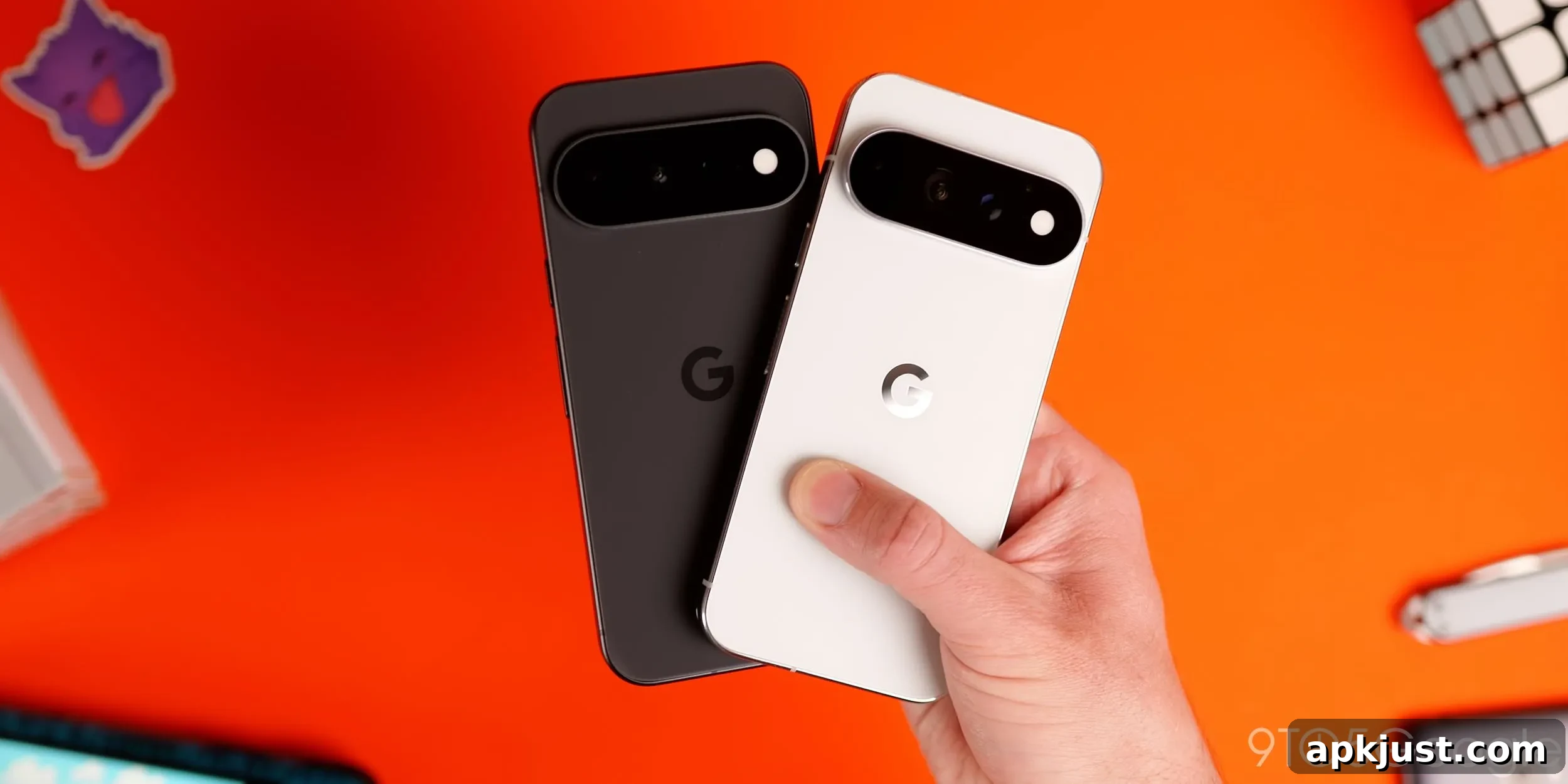
About upgrading: Our recommendations aim to help you decide whether an upgrade is worthwhile. Factors to consider include price, performance gains, and environmental impact. Ultimately, the decision is yours, and we encourage evaluating offers and trade-in options before committing.
This generation presents a nuanced choice. The Pixel 11 closes the gap with the Pro in many important areas and offers strong value if you prioritize many of the same flagship features without paying top-tier prices. The Pro, however, remains the clear option for those who demand the best camera hardware, the highest display fidelity, faster connectivity options, and the expanded memory and storage configurations available at higher price points.
Pricing will be a key consideration for many buyers. If you’re content with very good camera performance, long software support, and a bright, capable screen, the Pixel 11 is a sensible pick. If you need standout zoom performance, the most refined display and connectivity, and are willing to pay a premium, the Pixel 11 Pro is the better choice. If budget is a priority, hunting last year’s models or waiting for promotional offers may deliver better value while still providing most of what these new Pixels offer.