
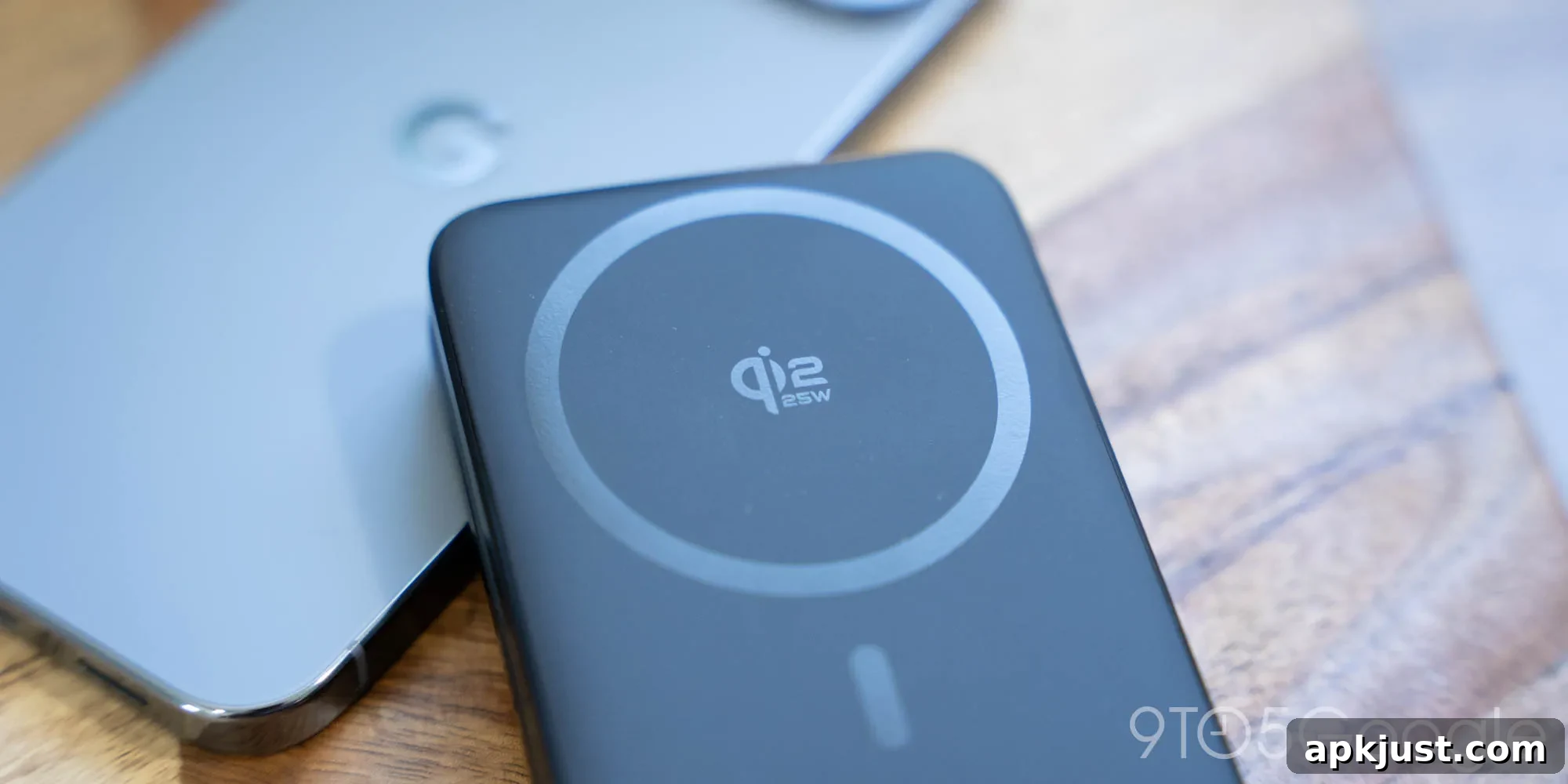
Since the Pixel 10 launched last year, Qi2 magnets have been a mixed blessing for me: I love what they offer, but I’m frustrated that the Pixel 10 remains essentially the only Android phone to embrace them. It’s baffling that other Android manufacturers haven’t taken this capability seriously, and there’s still no sign of that changing across the industry.
This issue of 9to5Google Weekender highlights the biggest Google stories with commentary and context. Sign up to get Weekender in your inbox every weekend and catch our weekday roundups too.
The Qi2 specification, which added a standard magnet array to the wireless charging protocol, was introduced in early 2023 with the goal of bringing a MagSafe-like experience to many devices. Three years later, however, most Android manufacturers still haven’t adopted it.
Google’s Pixel 10 series represents the clearest Android commitment to Qi2 so far, and the experience has been excellent. The phone works seamlessly with Google’s own “Pixelsnap” accessories and a broad range of third-party Qi2 and MagSafe items. Whether you use a case or not, the Pixel 10 generally aligns and performs reliably.
But beyond Google, adoption is scarce.
Major names in Android hardware have mostly ignored Qi2. Samsung’s Galaxy S26 lineup, for example, skipped Qi2 again this year, reportedly in favor of a slightly thinner profile. Last year Samsung argued customers weren’t asking for magnetic charging, and this year’s excuse is design-driven — either way, the result is the same: fewer phones that natively support modern magnetic Qi charging.
This is frustrating because the accessory market is clearly moving ahead without them. New wireless chargers, battery packs, and other accessories are increasingly built around the Qi2 standard, but very few Android phones can make full use of the benefits. Right now only a handful of Android models support Qi2 out of the box; a few others lost software support or are delayed, leaving most users unable to take advantage of the growing ecosystem.
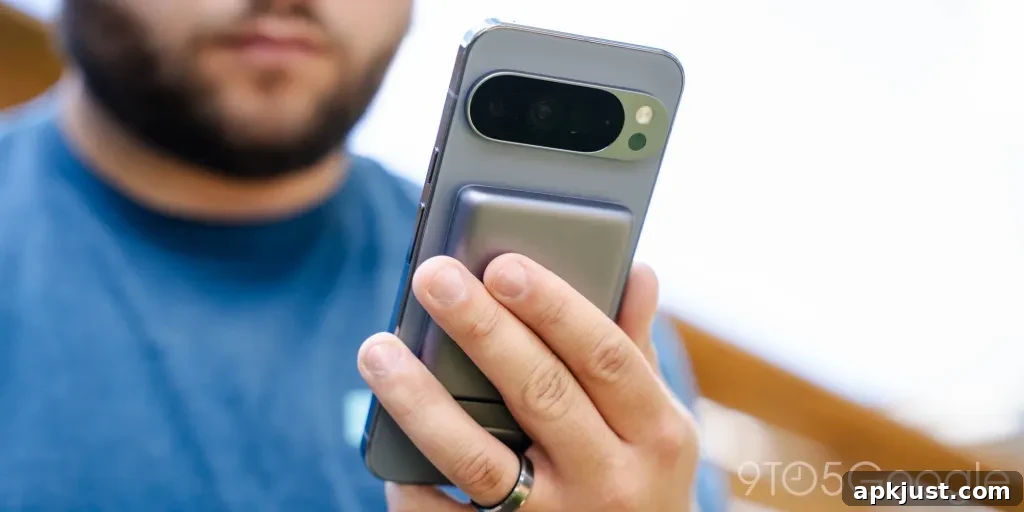
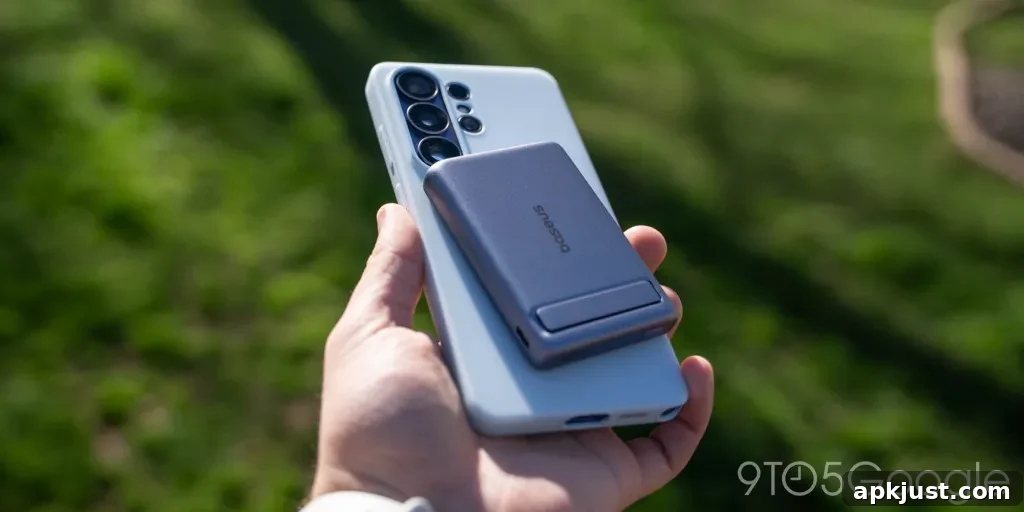
Some will say, “Just use a case.” That’s true to an extent, but cases are not a complete solution. Many Android phones still rely on the older Qi 1.3.3 specification, missing out on the faster, more consistent charging speeds Qi2 enables. When a phone lacks native Qi2 support, casemakers are left to approximate proper alignment and performance, which often results in a subpar experience.
Labeling a device “Qi2 Ready” helps casemakers design for correct alignment and gives consumers confidence that accessories will work as intended. More importantly, native adoption signals that a manufacturer acknowledges an industry trend and prioritizes compatibility with the expanding accessory ecosystem.
Samsung’s reluctance to change internal component placement, for instance, prevents some Qi2 accessories from working as intended on their devices. That kind of design inertia undermines interoperability and frustrates consumers who want the convenience of magnetic accessories without compromises.
I keep encountering this disconnect whenever I test new Qi2 accessories — battery banks, chargers, and other gadgets that assume the phone has a proper magnet array. It’s tiring to see clear, user-facing improvements ignored when the accessory market is already building around the standard.
Qi2 magnets are more than a gimmick. Even if you rarely use wireless charging, magnets improve alignment, accessory attachment, and general ease of use. In a product world where year-over-year phone upgrades feel smaller and smaller, Qi2 represents a meaningful, practical enhancement. It’s puzzling that so many manufacturers continue to overlook an obvious and valuable upgrade.
Apple’s marketing already frames many Android phones as dated in comparison, and ignoring Qi2 only reinforces that perception. Embracing a unified magnetic charging standard would benefit consumers and manufacturers alike by creating a more consistent, reliable accessory ecosystem.
This Week’s Top Stories
Fitbit Air owners have discovered a clever dual-wrist setup
The Fitbit Air functions well as a focused fitness tracker and pairs nicely with a traditional watch. Some early adopters have shown how placing a mechanical watch on the same strap as the Fitbit Air creates a convenient, dual-wear arrangement that’s surprisingly simple to assemble.
- Fitbit Air owners are placing automatic watches on the same strap as the tracker, and it’s easy
June Feature Drop
Google’s newest Android Feature Drop delivers improved scam protection and several other enhancements. The update expands features like Quick Share and brings AI-related improvements to apps and services.
- June Android Drop: Quick Share AirDrop expansion, AI in Play Books, and more; Android 17 is coming soon
- Google Phone app rolling out fake call detection that uses RCS for improved scam protection
Galaxy Z Fold 8 leaks
Leaks about the upcoming Galaxy Z Fold 8 continue to surface, revealing potential naming choices, hands-on images, and rumors about a wider form factor that aims to fix common foldable issues.
- ‘Galaxy Z Fold 8 Ultra’ name appears in leaks, despite being a less exciting moniker
- New leaks suggest a wider Fold 8 form factor and share weight and spec details
- Hands-on photos have emerged showing the wider design in the wild
More Top Stories
- Samsung Gallery is removing OneDrive sync months ahead of shutdown
- ‘Aviate,’ a Flighty-like flight app for Android, lands on the Play Store
- Walmart now offers Google TV sets starting at $250, including an art-focused model
- Pixel 11 wallpapers leak, showing more muted color palettes
- A Pixel Watch 5 was reportedly found in the ocean
- The Hisense L9Q short-throw projector nails a low-profile theater experience
- Nintendo Music adds Android Auto support to bring gaming soundtracks to cars
- One retailer lists a June release date for the Google Home Speaker
- AI powers a new large FAB in Google Keep for Android
- Google Labs introduces ‘Dreambeans,’ a personalized feed-like experience
- A review: the Fitbit Air has proven to be an excellent companion for Pixel Watch users
From the rest of 9to5
9to5Mac: iOS 27 may require joining a waitlist to test new Siri features
9to5Toys: Donkey Kong 64 is now live on Switch Online
Electrek: The Hyundai IONIQ 5 has been named a top family EV
Follow Ben: Twitter/X, Threads, Bluesky, and Instagram