
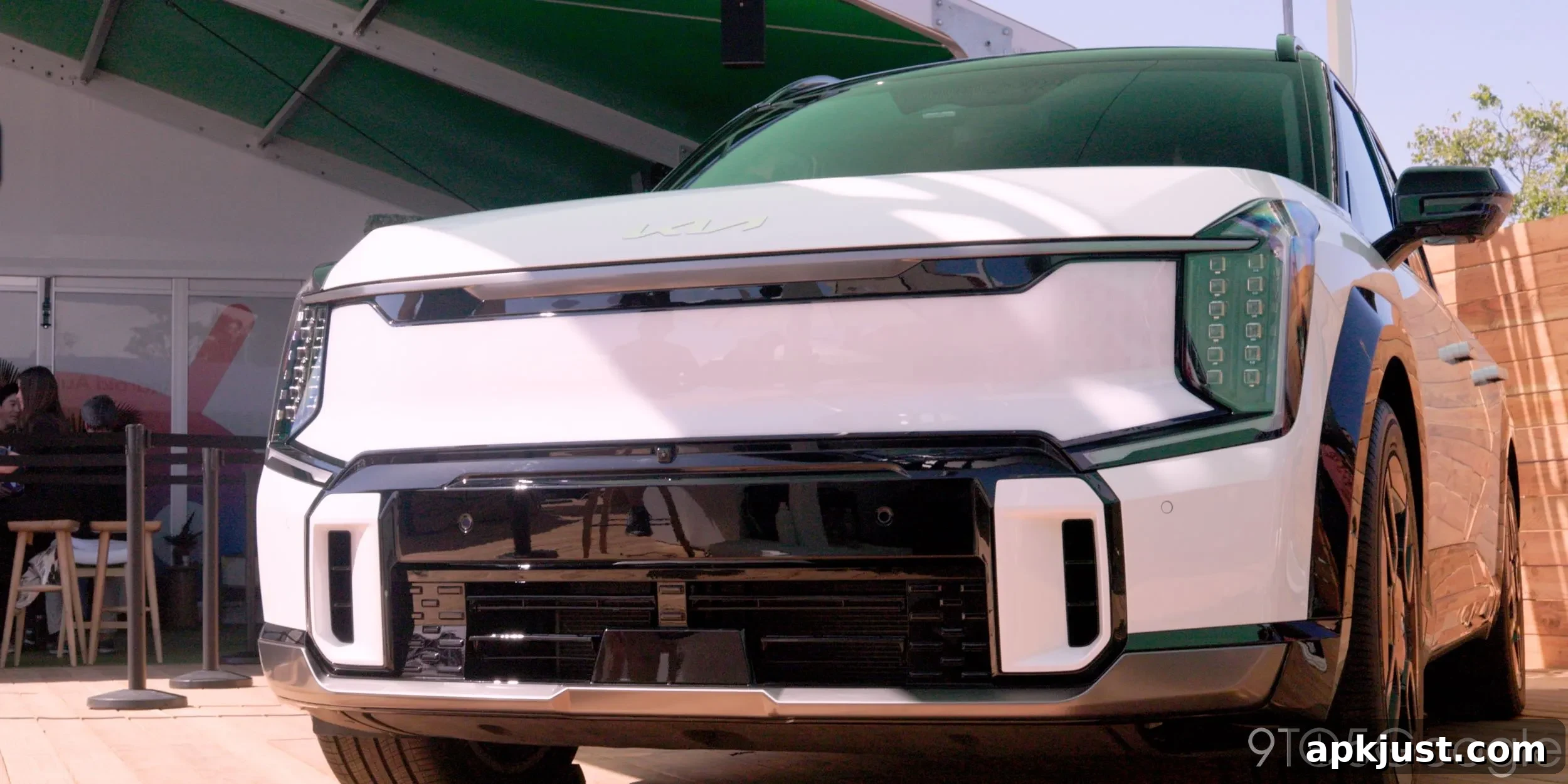
Ahead of I/O, Google announced several major updates to Android Auto and the Google Built‑in in‑car entertainment system used by many modern vehicles. Below is an overview of what it’s like to use these new features and how they may change in‑car experiences.
Android Auto has quietly evolved into a central part of Google’s strategy. Last year’s demos showed a Gemini‑powered experience, and this year Google is delivering a more unified set of improvements that address long‑standing complaints from drivers and reviewers alike.
Table of contents
- Fixing years of the same complaints
- The hows and whys of in‑car UIs
- A future of AI in cars
For more video content, subscribe to 9to5Google on YouTube.
Fixing years of the same complaints
Google has started addressing many of Android Auto’s most persistent issues. Some updates felt overdue, but they bring meaningful improvements for in‑car entertainment and navigation.
A notable change is YouTube support. With sensible safety guardrails in place, being able to listen to long‑form YouTube content while driving—or watch while parked—adds a big convenience for podcast and video fans. It’s a welcome feature, especially since Google Built‑in has supported similar functionality for some time.
The expansion of Google Maps’ Immersive View into cars is another useful step. Immersive View adds layered 3D context and clearer visual cues that help drivers orient themselves in unfamiliar areas. The approach reduces ambiguity that sometimes comes from simpler map graphics, and it could help drivers navigate more confidently.
That said, the effectiveness of Immersive View will depend on the vehicle’s display. Large landscape screens present the most benefit; smaller or lower‑resolution head units may not convey the extra detail as clearly. Still, the controls appear placed within easy reach of the driver for quick micro adjustments without distracting focus from the road.
Google Built‑in also showed tighter integration with in‑car cameras, enabling short rolling visual snippets to assist navigation and contextual queries. These are designed to be temporary snapshots rather than stored files, reducing data retention concerns. In practice, this allows features like visually identifying landmarks, clarifying route closures, or checking toll rules through Gemini, while minimizing the risks of using a phone for the same tasks.
A lingering concern is reliance on data connections. Many of the new AI features depend on cloud processing, and losing connectivity can abruptly interrupt the experience. Power and processing demands are also higher, which may affect battery and data usage in some cars.
The hows and whys of in‑car UIs
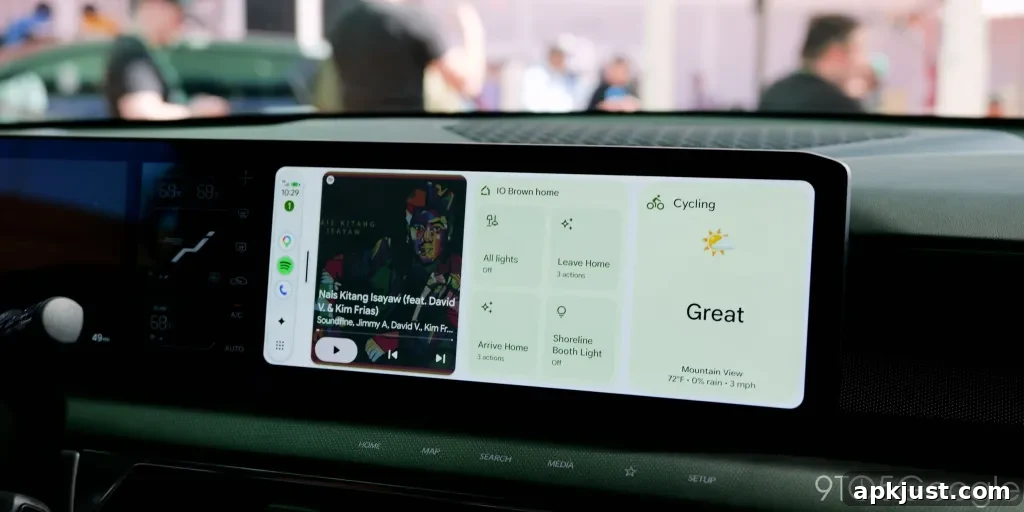
One design choice worth debating is the use of widgets in the main dashboard. Widgets mirror phone functionality, but their usefulness while driving is mixed. Controls like media playback and Google Home make sense, but other widgets—such as photo previews—feel unnecessary behind the wheel.
Google is emphasizing customizable widgets, which could be genuinely helpful if drivers can tailor them to essential information: navigation, media, charging status, and quick home controls. A flexible, customizable homescreen that integrates useful widgets at a glance would be preferable to burying them in secondary menus.
The current weather ticker is a bit sparse; a richer weather summary, or weather at your destination during navigation, would be more practical. Small improvements like that would add day‑to‑day value without increasing driver distraction.
A minor, user‑facing change is wallpaper customization in Android Auto. It’s cosmetic, but welcome for drivers who want to personalize their interface. More impactful, however, is Magic Cue, which felt more natural in a car environment than on a phone during demo sessions. Magic Cue can surface contextual actions and responses with less driver interaction, potentially reducing touchscreen time and distraction.
Magic Cue’s value hinges on reliable context awareness and data availability. On phones it has been hit‑or‑miss, but in cars—where the aim is fewer manual interactions—it could be a safety and usability win if implemented robustly.
A future of AI in cars
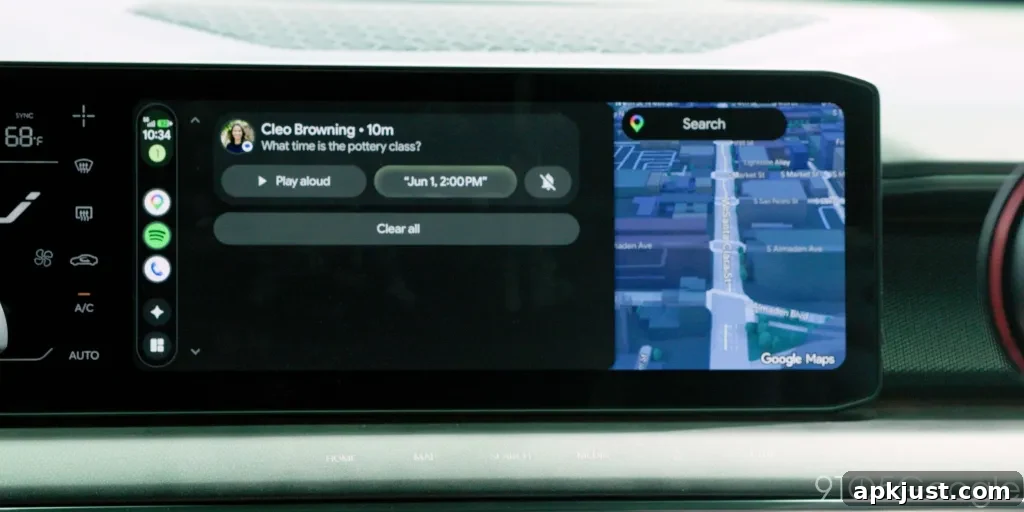
I’ve become cautiously optimistic about AI in cars when it’s built with clear safety and privacy considerations. Over the past year, Gemini‑powered features have been a mix of impressive and undercooked, but the car is one of the most promising places for a contextually aware voice assistant.
Gemini can reduce the need to manipulate large center‑console touchscreens by handling complex voice requests, making it easier to keep eyes on the road. Practical examples include travel summaries that consider current and destination weather, proactive reminders (umbrella, sunscreen, or a pre‑drive checklist), and contextual answers about local rules or closures.
Proactive nudges tied to a driver’s calendar, recent trips, or ongoing navigation could turn Gemini into a meaningful differentiator for Android Auto and Google Built‑in. Those features rely on thoughtful data handling and clear boundaries, but when done well they can improve safety and convenience in ways standard infotainment cannot.
Some AI features, like ordering food from the driver’s seat, remain culturally and practically awkward for some users. Drive‑thrus still suit many scenarios better. But overall, the combination of improved navigation visuals, deeper camera and system integration, and more capable voice AI points to a future where cars are both safer and more useful companions on the road. The rollout will take time, and real‑world reliability will determine how transformative these updates become.