
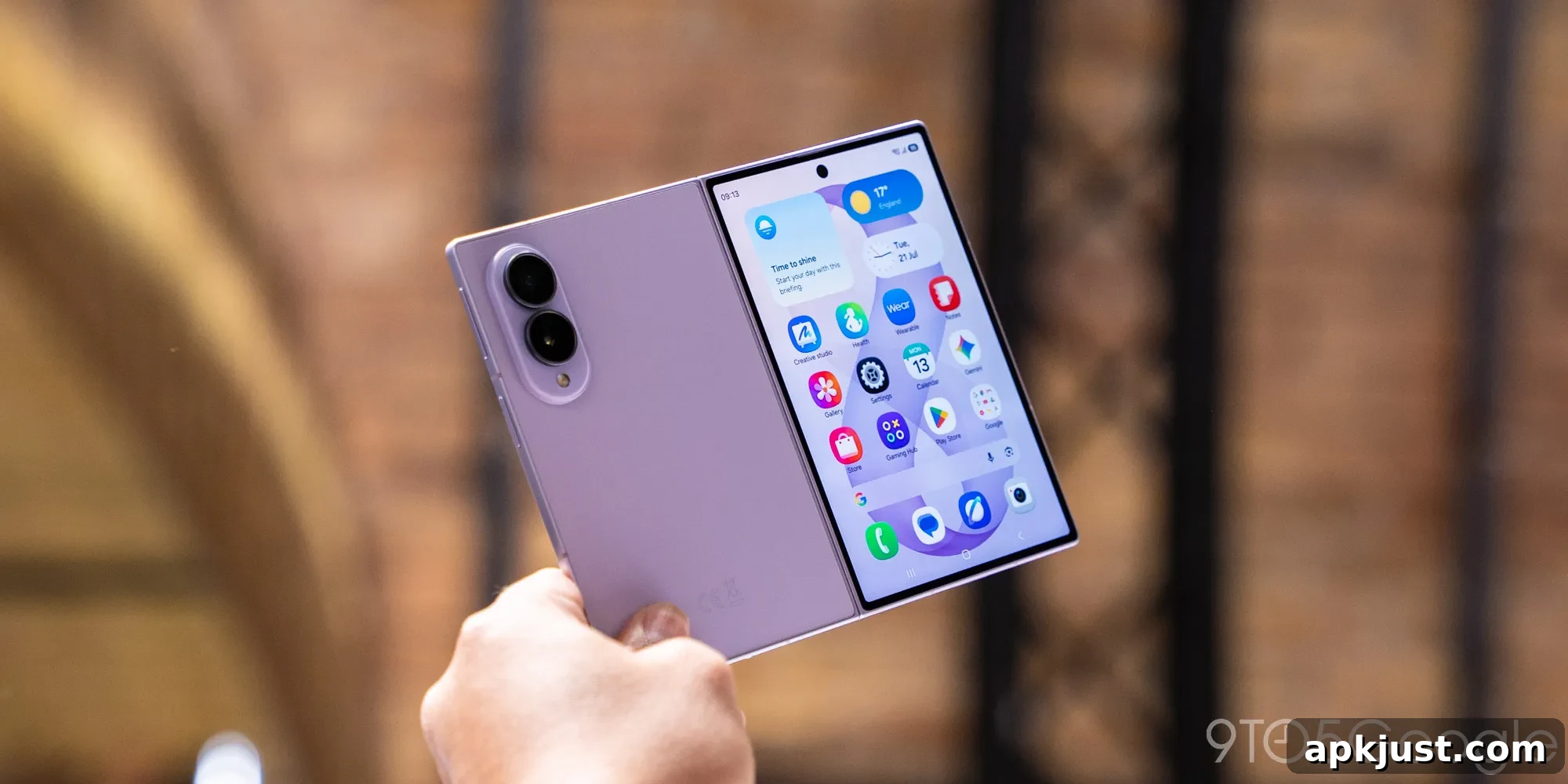
Samsung’s Galaxy Z Fold 8 has become a standout success, driving demand so high that the company has begun reallocating production capacity from planned 2027 devices to meet immediate needs for this foldable smartphone. Strong consumer interest and ongoing shipping delays have pushed Samsung to take unusual steps to increase supply.
According to reports from ZDNet Korea, initial shipments of the Galaxy Z Fold 8 were met with delays soon after launch. Samsung attempted to address early shortages by announcing a plan to produce an additional one million units, but the company still faces constraints that limit how quickly production can ramp up. The core of the problem lies not with chassis or displays, but with a specific semiconductor component: the Display Driver IC (DDI).
DDIs are essential to foldable displays, and the version used in the Galaxy Z Fold 8 is produced by Taiwan-based foundry UMC on a 22nm process. Reportedly, UMC has reached its current capacity limit for that particular DDI variant. Because DDIs are typically designed and manufactured for each unique phone model, Samsung cannot simply substitute a generic part; instead, it has shifted allocation of DDI production that had been reserved for certain 2027 devices to shore up supply for the Fold 8.
This reallocation represents a significant strategic decision. Rather than using parts intended for other models, Samsung is redirecting the manufacturing output of the specific DDI designed for the Fold 8. In addition, Samsung has requested a “super hot run”—an expedited, high-priority production run—to accelerate delivery of these DDIs and help reduce backorders. That express service status underscores how critical this component is to meeting current demand for the Galaxy Z Fold 8.
The supply squeeze is already visible in retail availability. In the United States, certain configurations of the Galaxy Z Fold 8 are partially out of stock on Samsung’s online store, reflecting the broader challenge of aligning component production with consumer demand. Despite these limitations, the Fold 8 is contributing to a rapidly expanding foldable smartphone market and highlighting growing consumer appetite for this device category.
Industry analysis indicates the foldable segment is gaining momentum, with shipment forecasts projecting substantial growth over the next few years. That market expansion makes the supply bottleneck for the Galaxy Z Fold 8 especially consequential: not only does Samsung need to meet the strong demand for its flagship foldable now, but it must also plan capacity to support broader foldable adoption going forward.
More on Galaxy Z Fold 8:
- Review coverage highlighting the Fold 8’s updated shape and user experience.
- Reports that the Galaxy Z Fold 8 is convincing some Z Flip owners to switch to the larger foldable format.
- Confirmation from Samsung of record-breaking sales and strong preorder numbers for the Fold 8.
What this situation emphasizes is how dependent modern smartphones are on specialized components and the foundries that produce them. Even companies with vertically integrated supply chains must sometimes reprioritize production plans when a single component becomes a bottleneck. For Samsung, the choice to divert DDI allocation from 2027 models to the Fold 8 reflects confidence in the product’s market performance and a tactical move to keep momentum in the foldable category.
For consumers considering a Galaxy Z Fold 8, the current constraint may mean waiting a bit longer for certain configurations. For the industry, the episode serves as a reminder that scaling innovative hardware—especially devices that rely on bespoke parts like foldable displays—requires close coordination across design, manufacturing, and supply partners. Samsung’s actions aim to balance short-term demand with longer-term product roadmaps while the company and its suppliers expand capacity to support growing interest in foldable smartphones.