
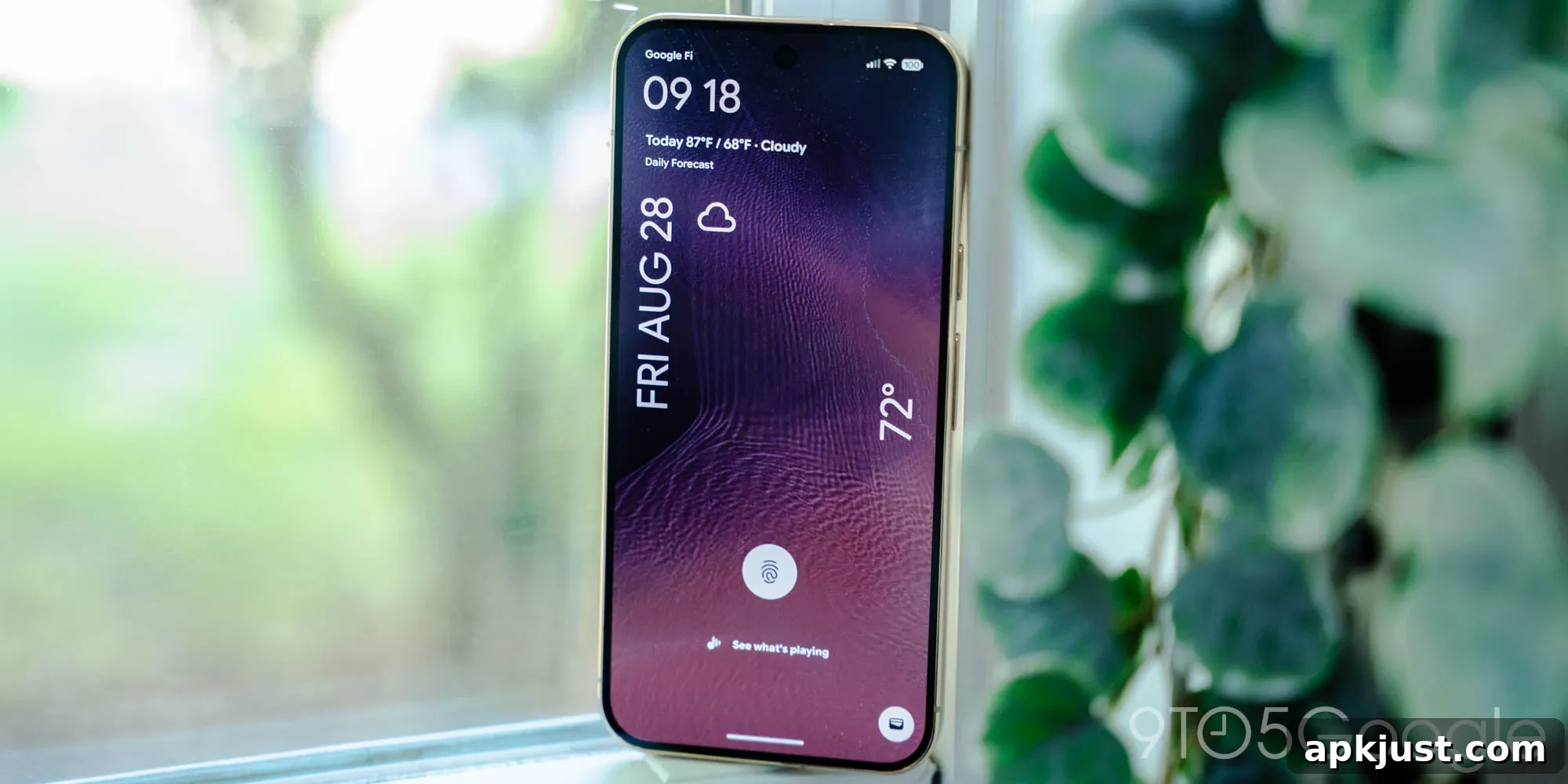
Following the initial Friday release, Android 17 QPR2 Beta 4 is now available for the Pixel 11 series. Google has extended the beta to include the Pixel 11, 11 Pro, 11 Pro XL, and 11 Pro Fold, enabling owners of those devices to test the latest builds before the stable rollout.
Owners of the Pixel 11 family can enroll in the Android Beta Program to receive Beta 4. When joining, pay attention to the device selection prompt: Google’s interface may currently display images from other recent Pixel models, so verify the text label that corresponds to your Pixel 11 device before proceeding. Enrolling through the beta program is the straightforward route for most users who want to get the OTA update automatically.
At the time of this release, factory images and OTA files for manual installation are not yet available. The Beta 4 build identified as CP41.260814.003.C2 includes the August 2026 security patch and, on a Pixel 11 Pro, the over-the-air download is roughly 3.94 GB. If you prefer to wait for the official factory or OTA packages to appear, monitor the developer resources closely; those images typically follow the initial beta enrollment window.
Android 17 QPR2 is slated for a stable launch in December and brings several user-facing improvements and customization features specifically targeted at Pixel phones. The update focuses on personalization and system polish, and Beta 4 marks the Platform Stability milestone, meaning the public APIs and developer-facing behaviors are locked down and apps should not need further major changes to remain compatible.
Notable user-facing features included in this QPR2 cycle are:
- Expanded Dynamic Color theming on Pixel devices, broadening the system’s ability to adapt UI colors based on your wallpaper and theme choices.
- New options to customize the Quick Settings layout on Pixel, giving more control over tile arrangement and which toggles appear at the top.
- A system blur effect for the Pixel lockscreen, designed to improve visual separation and focus for notifications and widgets when the device is locked.
- An App Lock feature for Pixel, which provides an extra layer of privacy for selected applications by requiring authentication to open them.
- Status bar customization for notification and system icons, allowing finer control over which icons are visible and how they behave in various contexts.
Beta 4’s arrival signals that the platform is stable for developers to finalize compatibility testing and for early adopters to experience the refinements before the broader release. Because Pixel 11 series devices were added to the beta program at this stage, it appears they will bypass an earlier preview cycle for Android 17 QPR1 and join the QPR2 testing directly ahead of the QPR1 stable launch planned for September.
If you decide to participate in the beta, remember these practical points: back up important data before enrolling, expect occasional bugs or unfinished UI elements typical of pre-release software, and review the device image label carefully when selecting your model. For most users who want a stable everyday experience, waiting for the final December rollout is the safest option; for enthusiasts and developers eager to test new features and provide feedback, enrolling in the beta program offers an early look at Google’s planned changes for Pixel devices.