
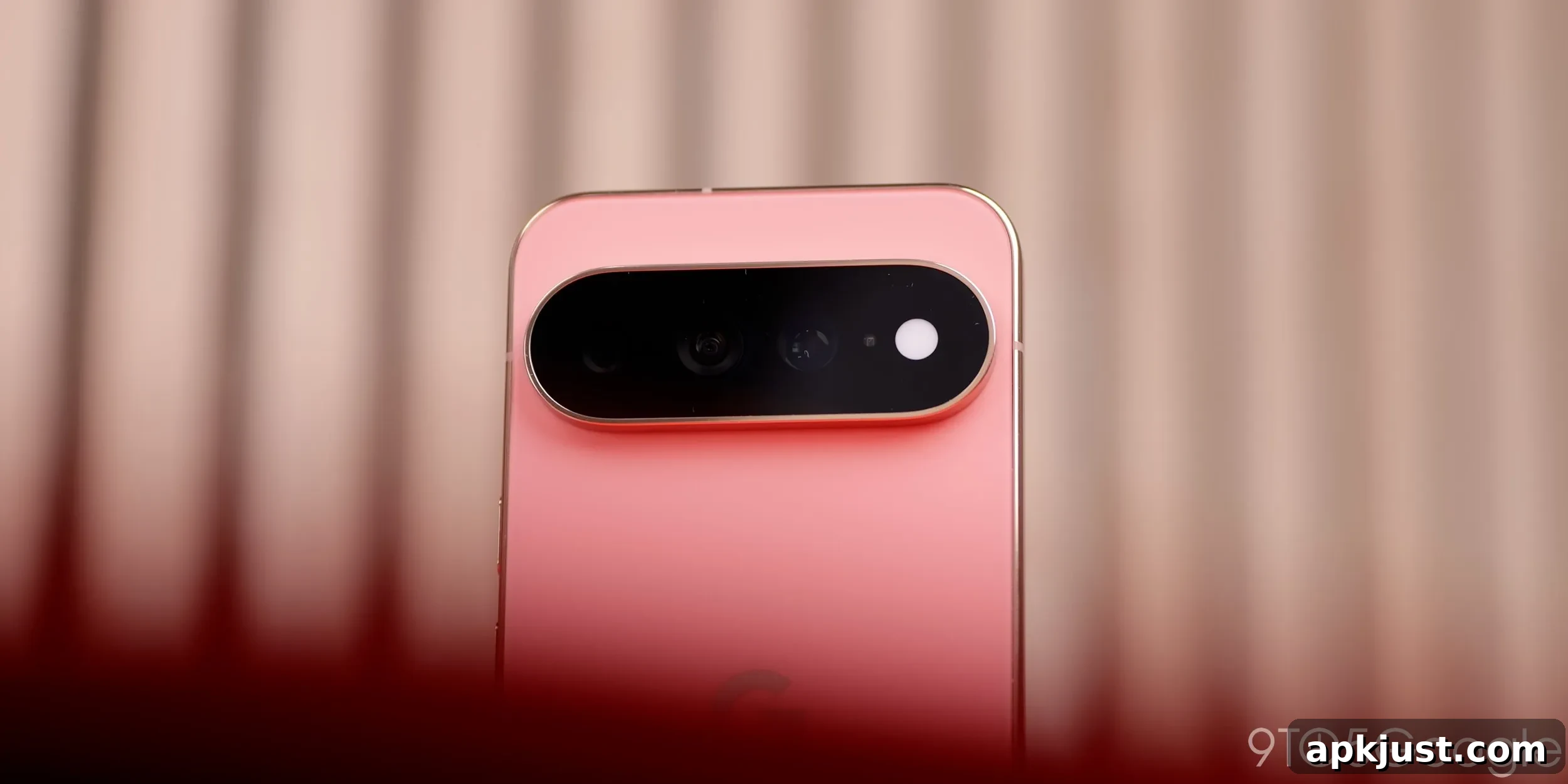
Good morning and happy Tuesday. It’s a great time to read theories about who created the new Ox Alpha AI model, lament rising coffee prices after Brazil’s heavy rains hurt arabica quality, add a daily typing challenge to your morning routine, and enjoy r/indieheads’ top 106 songs from 2010 to 2026.
Inbox is the short tech newsletter you can read in about 95 seconds. We summarize the most important 9to5Google stories from the last few days and highlight notable items from across the web. We publish every Tuesday and Thursday—if you enjoy this, please subscribe.

Inbox is written by Daniel Bader. Read previous issues here, and catch up with Ben Schoon’s Weekender column published every Sunday.
⭐️ Starred
I’ve owned almost every phone Google had a hand in, from the original Nexus One to the Nexus 5, the Pixel 6, and now the Pixel 11. Early Nexus phones were essentially well-made hardware from partners like Samsung, LG, Huawei, or Motorola, paired with Google’s clean Android experience. Over time, Google shifted from hardware curation to software leadership—especially in photography.
Starting around 2014 with HDR+ bracketing on the Nexus 6, Google led the industry in computational photography. Today, most smartphone photos go through a pipeline of multi-frame capture, bracketing, sharpening, color correction, and de-noising. The result is often impressive, though it sometimes diverges from the original scene.
As AI tools have entered the image pipeline, some users—especially younger photographers—have pushed back and embraced a more natural look. Mid-2000s digicams are fashionable again, and apps like ZeroCam, ProShot on Android, and Halide on iOS are popular with people who want more direct control over how their images are captured and processed.
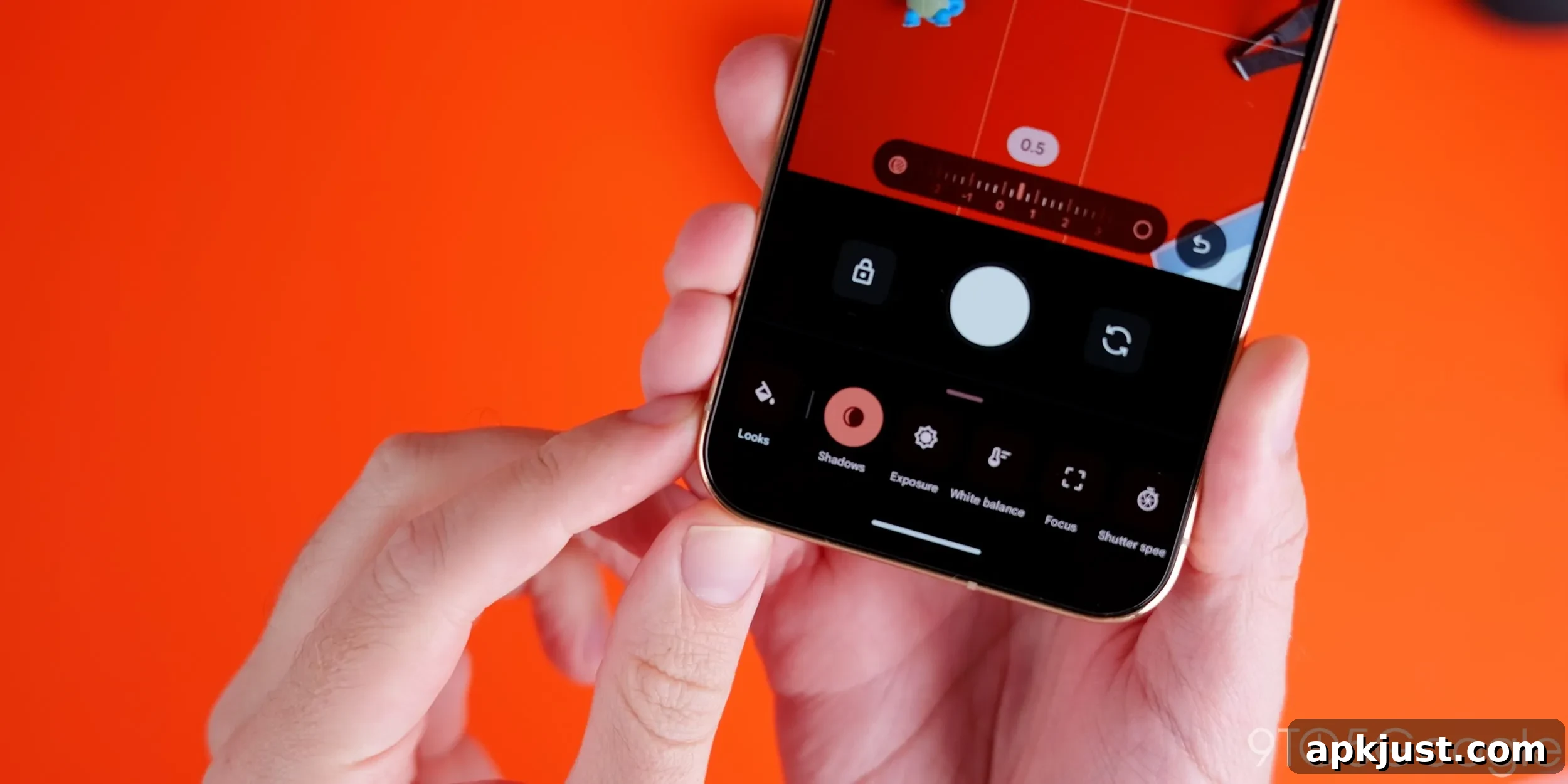
Google’s Camera Looks on the Pixel 11 takes a broader approach than Apple’s Photographic Styles: fewer preset filters but more customization, allowing adjustments to shadows, highlights, vibrance, sharpness, grain, tint, and warmth. It isn’t perfect, and Google’s new settings have quirks, but Camera Looks gives photographers more control and a path away from over-processed results.
A Pixel’s strength has always been Google’s strong opinions about software behavior. Recently, Google moved away from the high-contrast HDR+ look toward a more uniform, vivid, and flatter output. That approach tends to look good for most people, but it can reduce individuality. Camera Looks is a step toward letting users reclaim some of that distinction.
Read more: Camera Looks on the Pixel 11 delivers what I’ve wanted from Google’s photos for years
✉️ Inbox
- Google’s inevitable ‘Pixel Watch Ultra’ should borrow ideas from the Fitbit Air. Ben’s Weekender imagines a sports-focused Pixel Watch, but my take is that Google should aim to match Fitbit’s accuracy.
- Samsung confirmed an August 27 event for a new addition to the Galaxy S26 family. The S25 FE successor is coming—hopefully without a large price increase.
- Pixel 11’s Magic Capture solves a common parenting dilemma: deciding whether to shoot a photo or video. It’s a thoughtful feature for modern moments.
- The Galaxy Tab S12 series reportedly faces a price hike. Android tablet pricing continues to make it hard to recommend budget options.
- Peloton’s Strength+ app has arrived on Android after nearly two years on iPhone. Another example of formerly iOS-only apps making their way to Android.
- A Google Home update now lets you set light color temperature by Kelvin with voice commands—small improvements that add real convenience.
- Pixel Watch 5’s AI watch face generator refreshes the same form factor in a fun way. It’s neat, though I’d prefer using it from the phone as well as the watch.
- Walmart will support in-store tap to pay with Google Pay, Samsung Pay, and Apple Pay. Broad NFC support at major retailers makes mobile payments more practical for everyone.
- YouTube Premium is seeing another price increase in parts of Europe and Asia after a recent U.S. hike—unwelcome news for subscribers.
- Leaks suggest a significant redesign could be returning with the Galaxy S27. A distinct look after several similar generations would be welcome.
- An ‘Android Pulse’ app recently appeared in Play Store updates—one of those small mysteries that keeps Android interesting.
- Low-end Android phones are getting more expensive in Europe, and Apple is gaining ground as consumers trade up for better devices.
- Motorola and GrapheneOS are partnering on a GrapheneOS phone slated for next year. It’s positioned as higher-end than Pixel and will likely carry a premium price.
- Waze alerts are coming to Rivian’s navigation system—another reason the Rivian R2 looks appealing.
- Philips Hue appears to be preparing cheaper Sync hardware, which could make smart lighting more affordable for many users.
More from Google’s recent Pixel launch:
- Please don’t buy Google’s wildly overpriced Pixel 11 Clear Case
- Pixel 11 Pro Fold introduces ‘App Handles’ to change multitasking on foldables
- Pixel 11 Pro vs. iPhone 17 Pro: can a re-run contend with a re-do?
- Pixel Camera adds ‘Launch control’ and a new ‘Quick access’ slider for the Pixel 11
- Pixel 11 Pro Fold still doesn’t survive bend tests, though it fared better this time
- Pixel Watch 5 lets you customize double pinch actions to dismiss alarms or skip music
- Gemini on Pixel 11 Pro is testing a new ‘Device help’ tool
🤑 Action items
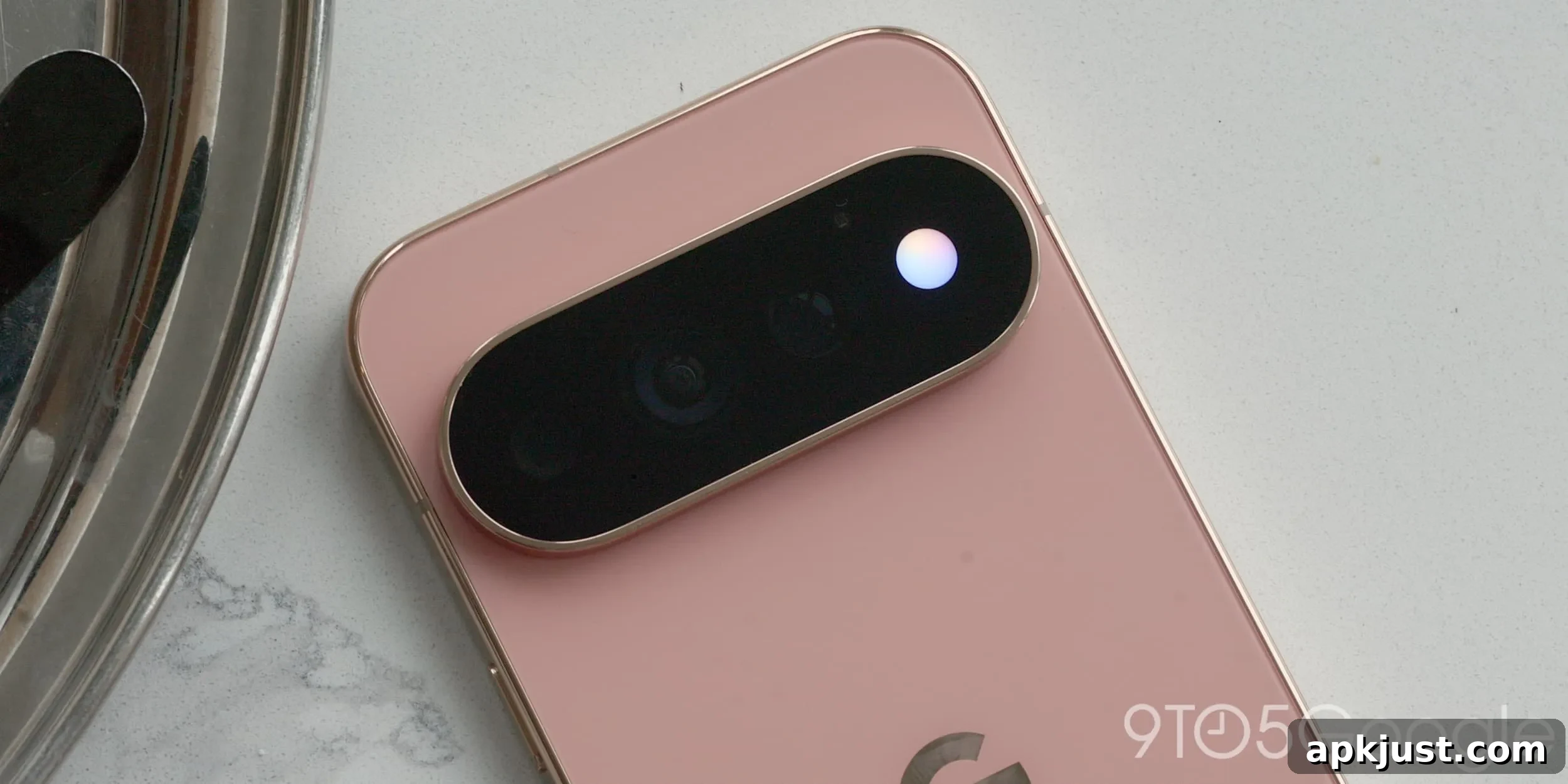
Developers quickly filled a gap left by the Pixel 11’s basic HiLight feature. HiLight Studio arrived as a third-party solution that expands notification and light customization. I’ve used it for a few days and found it helpful—when my phone sat face-down during dinner, a green pulse indicated a message arrived, even though I still needed to wake the screen to see who messaged me. That kind of tactile feedback is useful in everyday life.
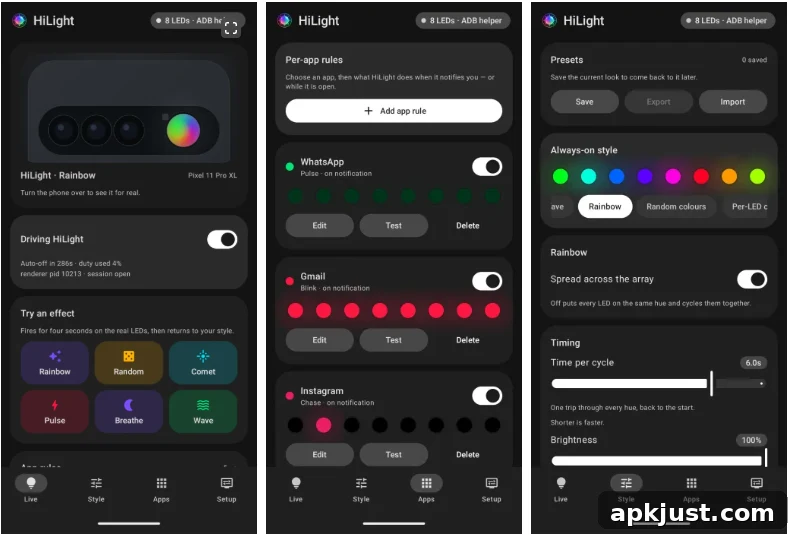
What’s noteworthy is how fast a specialized app appeared to patch usability gaps. The developer notes that vibe-coding helped make it possible—an example of how small teams can build niche tools that improve the ecosystem. If you’re a developer working on something similar, email the newsletter and it might be featured.
See also: The Pixel 11 Pro’s flashlight is a little bit worse because of ‘HiLight’
🙃 FWD:
This section highlights standout things from around the internet—great videos, odd memes, long reads, and recommended apps. Send us your suggestions!
- T-Mobile may have disabled its last 2G radio, prompting security and privacy advocates to argue older technologies can sometimes be harder to hack.
- Xiaomi unveiled its first custom Xring chip, built on TSMC’s 3nm process, aiming to reduce reliance on Qualcomm and MediaTek.
- Two recent trailers explore older men reconnecting with what makes them feel young again—anchored by exceptional performances from veteran actors.
📣 Promotions
Search Engine is one of my favorite podcasts, following in the footsteps of Reply All. In its most recent, explicitly NSFW episode, the hosts follow a strange, specific Wikipedia rabbit hole that leads to an unexpectedly entertaining story. It’s one of the show’s best episodes in a while.
Enjoyed this? Subscribe to Inbox to get it in your inbox every Tuesday and Thursday. Got feedback? Send an email to the newsletter team.
You can also support 9to5Google by becoming a Pro member for bonus episodes, access to a members-only Discord, and other perks starting at $5/month.
Thanks for reading—have a great day. Talk to you on Thursday.
—Daniel