
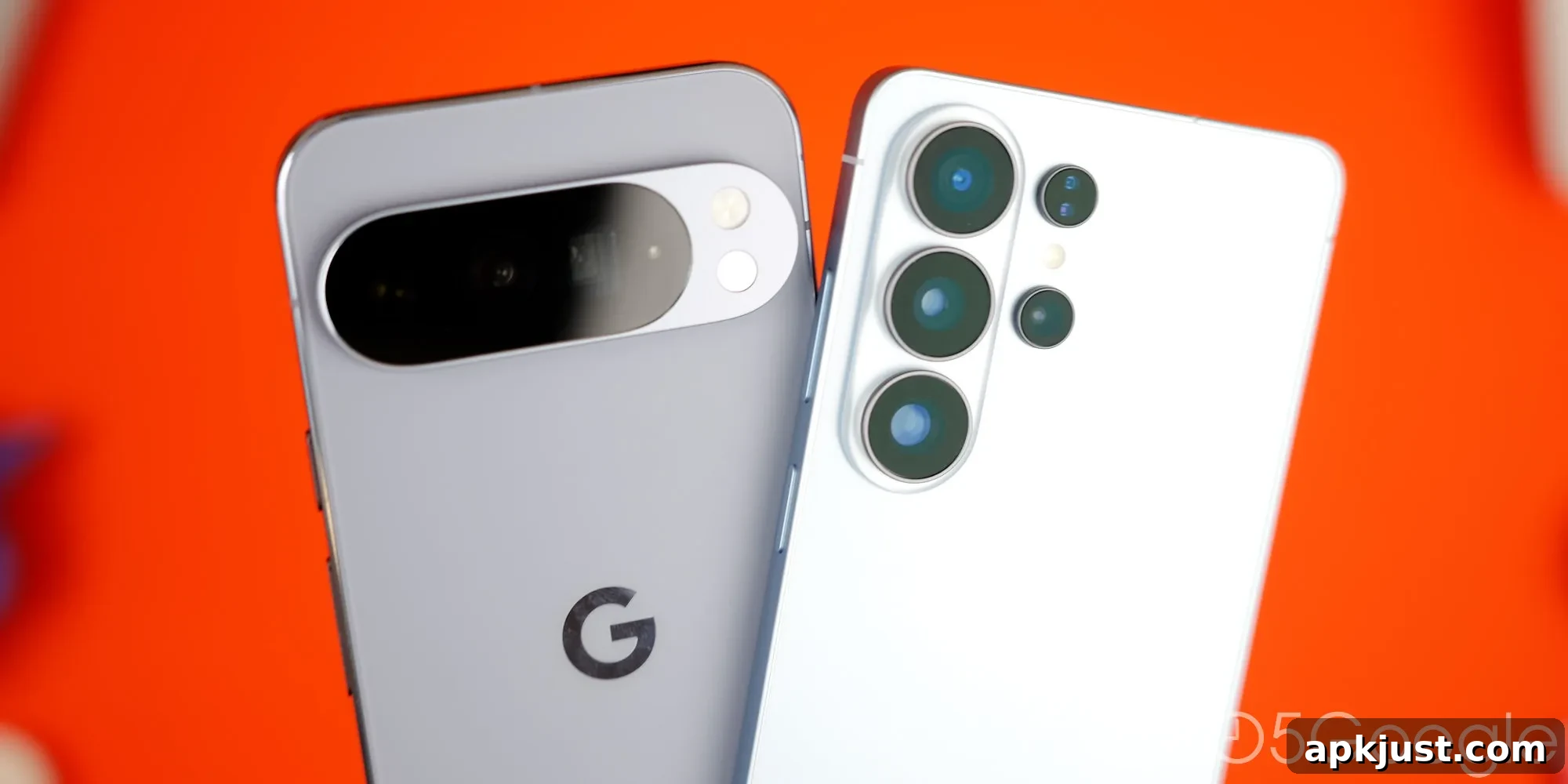
New evidence suggests Samsung may be reconsidering the long-standing vertical camera arrangement found on Galaxy phones in favor of a horizontal camera bar more like Google’s Pixel design. If true, this change could refresh the look of Samsung’s lineup and resolve some real-world usability issues.
For years Samsung’s vertical camera housing has been a defining visual element across its entire range. From ultra-expensive foldables to low-cost entry models, that stacked camera aesthetic has been consistent. That consistency has its strengths: it creates a clear identity and showcases Samsung’s characteristic fit and finish. At the same time, many find the vertical module to be visually generic, and a move to a different layout would break the monotony and modernize the phones’ appearance.
Recently, patent filings surfaced showing a foldable device with a horizontal camera layout, which is the closest parallel to a Pixel-style camera bar. Samsung historically used a horizontal arrangement on older devices like the Galaxy S10 series before shifting to the vertical stack that persists today. Patents don’t guarantee a product will ship, but they do indicate the company is exploring alternative directions.
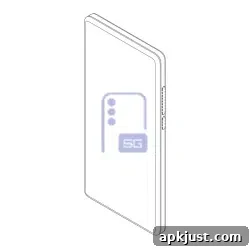
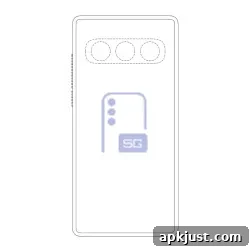
It’s important to remember patents are speculative. They can preview designs that appear in products, or they can stay on a shelf indefinitely. The recent patents show a foldable device with a horizontal module, so it’s unclear whether this concept is intended for upcoming Galaxy S models, future foldables, or experimental prototypes that never reach consumers.
Still, a camera bar design could deliver practical benefits beyond aesthetics. One immediate advantage would be better compatibility with magnetic accessories and the emerging Qi2 wireless charging standard. Samsung’s current vertical camera placement has created awkward compromises: certain magnetic chargers, power banks, and magnetic wallets either need custom attachment points or end up covering a camera lens. That has forced Samsung to produce proprietary accessories designed specifically to avoid camera interference—solutions that feel like workarounds rather than fixes.
For example, Samsung’s small magnetic battery banks and similar accessories have been necessary to provide Qi2-style convenience for some Galaxy models, but these accessories sometimes still obstruct lenses or require cases designed around them. A horizontal camera bar could free up space and make it easier to attach magnets and chargers without blocking sensors or lenses. This would improve compatibility with third-party accessories and the broader Qi2 accessory ecosystem.
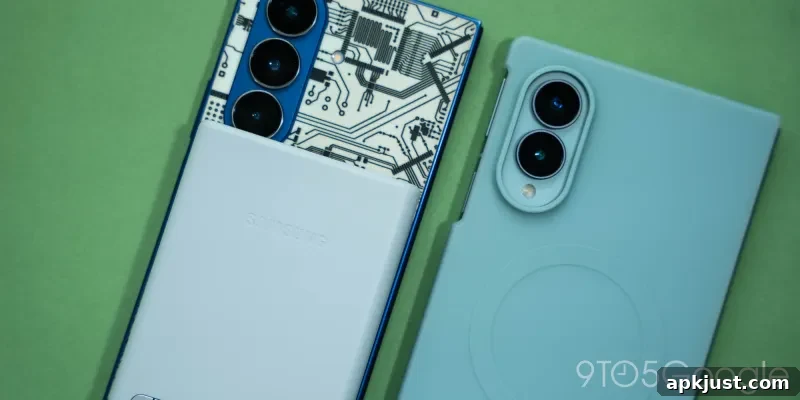

I’ve frequently pointed out how Samsung’s vertical camera module can limit accessory compatibility and complicate wireless charging solutions. That critique isn’t about aesthetics alone; it’s about functionality for everyday users who want simple compatibility with chargers, wallets, and battery banks. A horizontal camera bar could remove some of those friction points and allow users to take full advantage of universal magnetic charging standards without compromising camera use.
That said, there’s no definitive indication Samsung will adopt this layout immediately. Reports and patent images give us a hint of the company’s thinking, but they don’t confirm timelines or final product choices. Some insiders suggest such changes aren’t imminent, so it’s wise to temper expectations until concrete announcements or reliable leaks appear.
More on Samsung:
- Samsung reportedly building an even wider Galaxy Z Fold 9 for improved video viewing
- Galaxy Z Fold 8’s wider shape survives bend tests; teardown reveals titanium structure and challenging wireless charging placement
- Samsung is developing over-ear headphones to expand the Galaxy Buds family
Follow Ben: Twitter/X, Threads, Bluesky, and Instagram