
Hello — I hope you had a relaxing weekend. I took some time off last week by the water, tried to finish a difficult Booker Prize-winning novel about Australian POWs in WWII, rewatched Love & Basketball, and played too much Lumines Remastered on my Fold 8. I also followed the latest OpenAI versus Anthropic headlines and briefly considered switching streaming services just for the novelty.
Inbox is our short tech newsletter you can read in roughly 95 seconds. We summarize the most important 9to5Google stories from the past couple of days and highlight notable items across the web. We publish Tuesdays and Thursdays; if you enjoy this, please consider subscribing.
You can find previous issues of Inbox in the Inbox archive.
⭐️ Starred
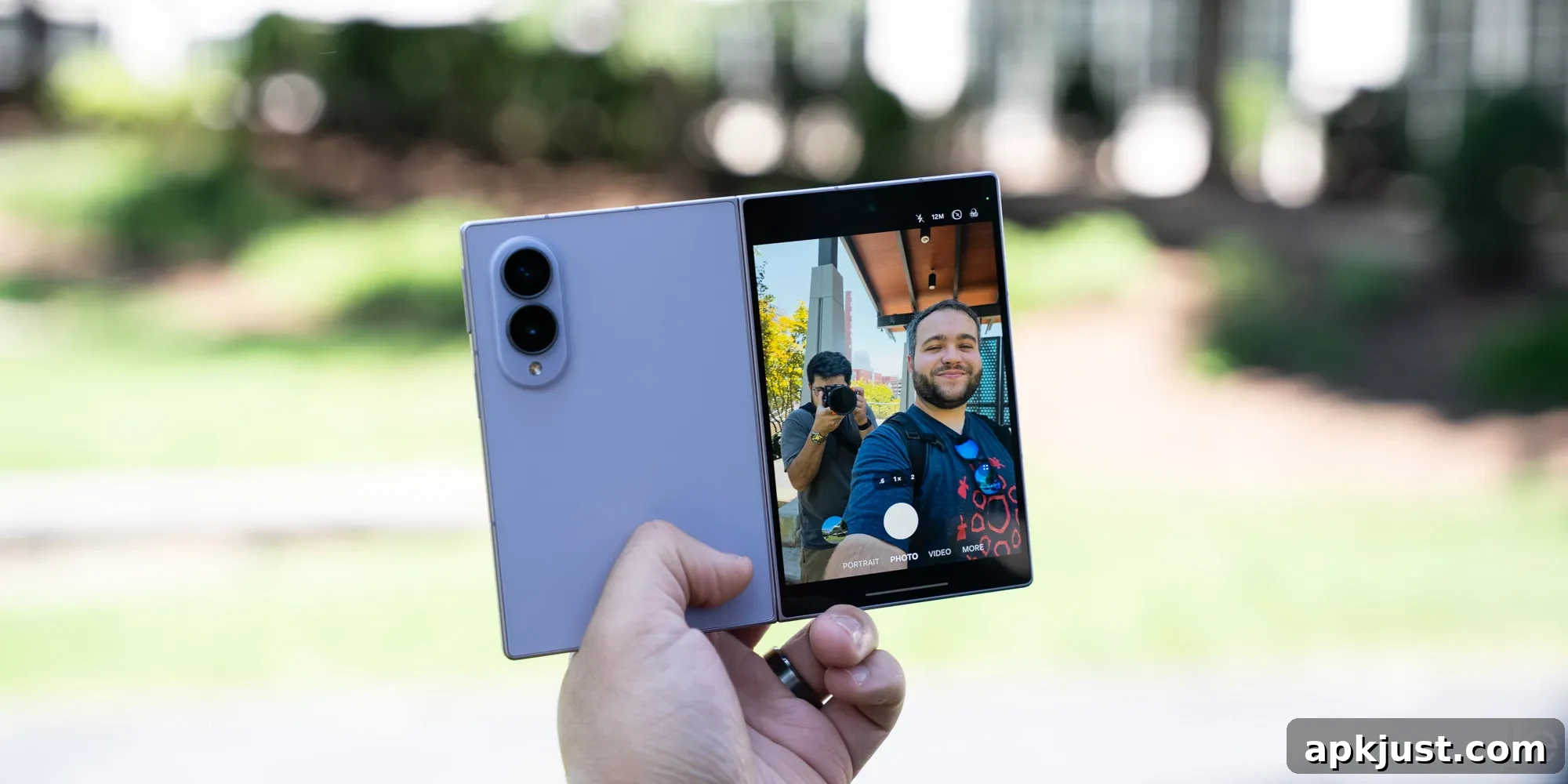
Reviews of the Galaxy Z Fold 8 have been overwhelmingly positive, and for good reason: this device refines the foldable formula in ways that feel practical rather than gimmicky. The front display’s squatter, wider shape pushes productivity over passive consumption, and writing on the Fold 8 is spacious and comfortable. Opened up, the 4:3 internal display is excellent for reading, side-by-side multitasking, and general media consumption, while the 3:4 vertical orientation adds useful real estate for web browsing and social feeds. Gaming works well in both modes.
Early foldables often focused on how to build the device rather than how people would use it. The Fold 8’s design makes its utility obvious to anyone who tries it.
There are still rough edges: Android apps don’t all adapt perfectly to landscape, so tablet-capable apps offer the best experience. The display itself is impressive — the anti-reflective coating, refined hinge, and a subtler crease all feel like meaningful improvements — and battery life has been strong in my testing.
However, the camera performance lags behind the asking price. The main sensor feels dated compared with current flagship standards, and the lack of an optical telephoto is noticeable at this tier. Durability is another consideration: the Fold 8’s IP48 rating makes me hesitant to bring it into environments where water or rough use might be a risk.
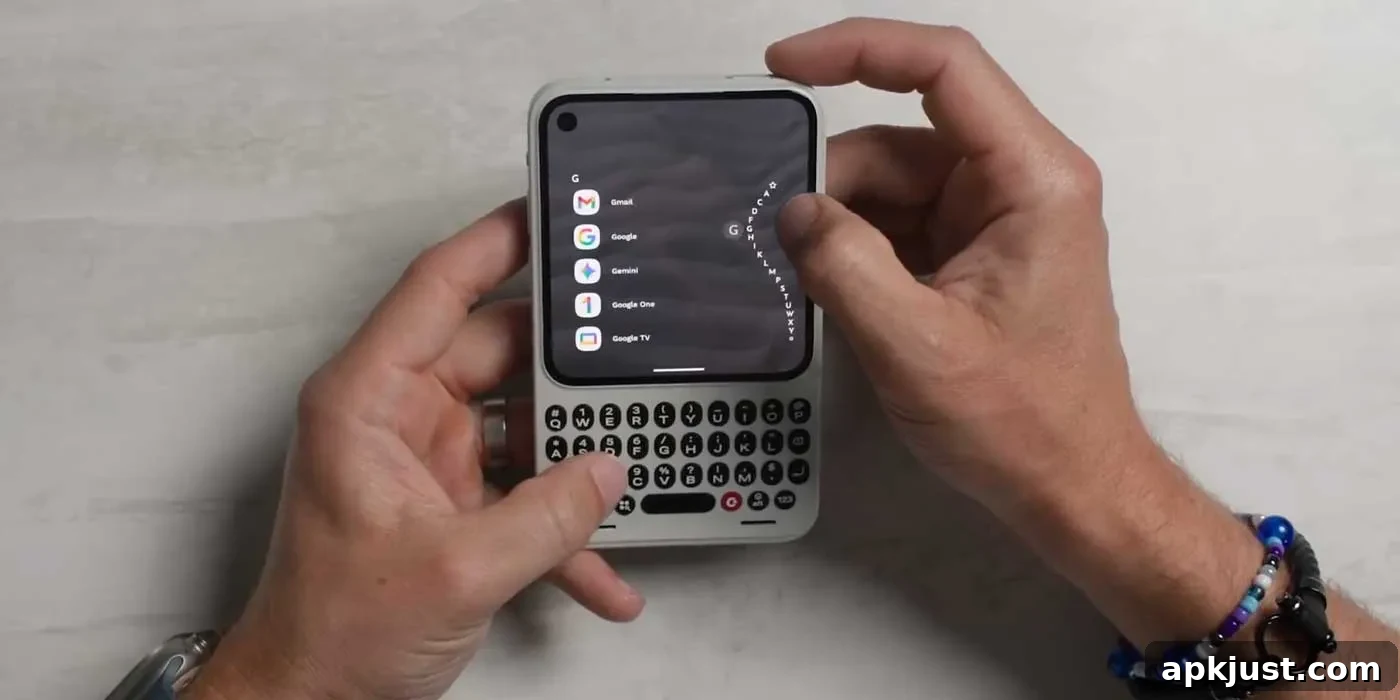
Overall, phones are interesting again. Samsung’s hardware updates are strong, Google appears to be advancing mobile AI, and niche products that lean into specific use cases — lightweight communicators, minimal phones, or unique form factors — are finding audiences. If component pricing were more stable, we might even see a revival of secondary “evening” phones for short, intentional use.
✉️ Inbox
- The Pixel 11 could face a difficult launch window. Read the Weekender analysis on the mix of factors making this release cycle unusually challenging.
- First Googlebook leaks from Lenovo: two sizes and a 2-in-1 option. Lenovo’s early designs look promising, but pricing may determine how widely they’re adopted compared with budget-focused macOS and Windows alternatives.
- Gallery: Lenovo’s full-size Googlebook leak
- Gemini will generate mobile and desktop apps as AI Studio is canceled. Google appears to be consolidating features into Gemini as it competes with other multitasking AI apps.
- Galaxy Z Fold 8 demand outstrips supply. Pre-orders are reportedly three times higher than the previous generation, pushing shipping dates back.
- Galaxy S27 Ultra rumors suggest a telephoto change. Reports say Samsung may remove a telephoto camera to control costs, possibly replacing it with a different zoom approach.
- Google Clock 9.0 adds live stopwatch and timer updates. This is a straightforward but useful addition to Android’s Live Activities functionality.
- Google Health 5.05 rolling out: Apple Health sync and bug fixes
- Google voice redesign merges AI Mode, Search Live, and song lookup
- Notability arrives on Android, currently 25% off. The Android port looks solid and fills a long-standing gap for users who relied on the iOS app.
- Android 17 QPR2 Beta 2 rolling out for Pixel. The beta is incremental so far, with few major user-facing features discovered yet.
- OnePlus 15 and related inventory sold out in the US after the shutdown.
🤑 Action items
Lately I’ve been enjoying self-hosting simple services with Docker on a Synology NAS. A few tools I run include AdGuard for network-level ad blocking, Home Assistant for smart home automation, Mealie for personal recipe management, and Calibre Web for ebook access. I expose them privately using Tailscale, which creates a secure mesh VPN so my devices can reach the NAS without exposing services to the public internet.
Tailscale makes these services feel like they belong only to my devices, which is extremely useful when I’m working remotely. I’m still exploring this space — if you have favorite self-hosted services or practical tips, send them my way and I’ll share selections in a future newsletter.
🙃 FWD:
This section highlights interesting pieces from around the web: videos, essays, odd stories, and apps we found worth sharing. Send recommendations to our newsletter inbox.
I’m proud of my home province, Newfoundland and Labrador, but a recent local story was disturbing: an abandoned fish sauce plant in St. Mary’s left behind nearly a million liters of fermenting capelin, fouling the area for decades.
A recently approved $2 million cleanup will remove roughly 900,000 liters of fermenting fish sauce from dilapidated vats and shattered bottles. The material will be combined with peat and buried at a nearby landfill after processing, ending a long and unpleasant chapter for local residents. Coverage of the Atlantic Seafood Sauce incident traces the history and community impact of the site.
🗑️ Trash
On July 30, Google Earth introduced an image-generation feature called Nano Banana that let users prompt alterations to satellite imagery. Google framed the tool as an educational aid to “bring history to life.” Unfortunately, users quickly found ways to create misleading or offensive images: examples ranged from fantastical scenes to fabricated refugee gatherings and altered imagery near sensitive locations.
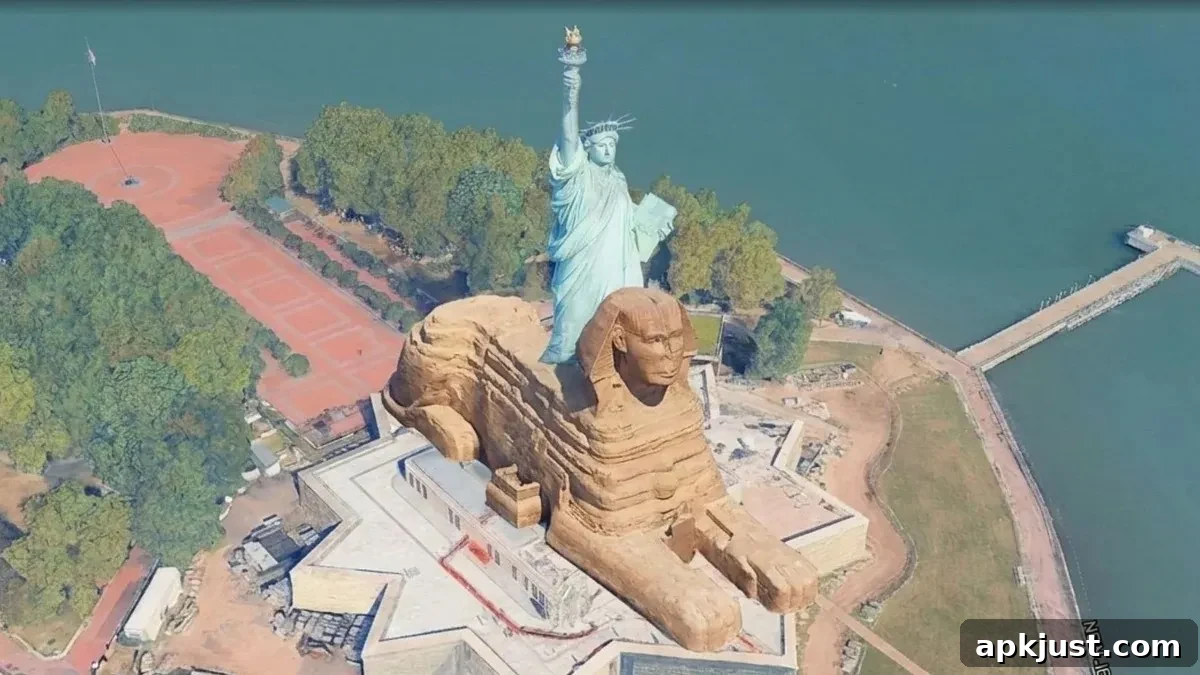
Google initially noted that generated images carried a SynthID watermark and could be checked with tools like Lens or the Gemini app, but the company soon rolled the feature back to implement stronger guardrails. The episode underscores how quickly AI features can be misused and how important it is to protect the integrity of trusted visual resources like Google Earth.
If you enjoyed this roundup, subscribe to Inbox to receive it every Tuesday and Thursday morning. Feedback is always welcome via email.
You can also support our work by becoming a 9to5Google Pro member for extra episodes, access to our members-only Discord, and other perks.
Thanks for reading — have a great day. See you Thursday!