
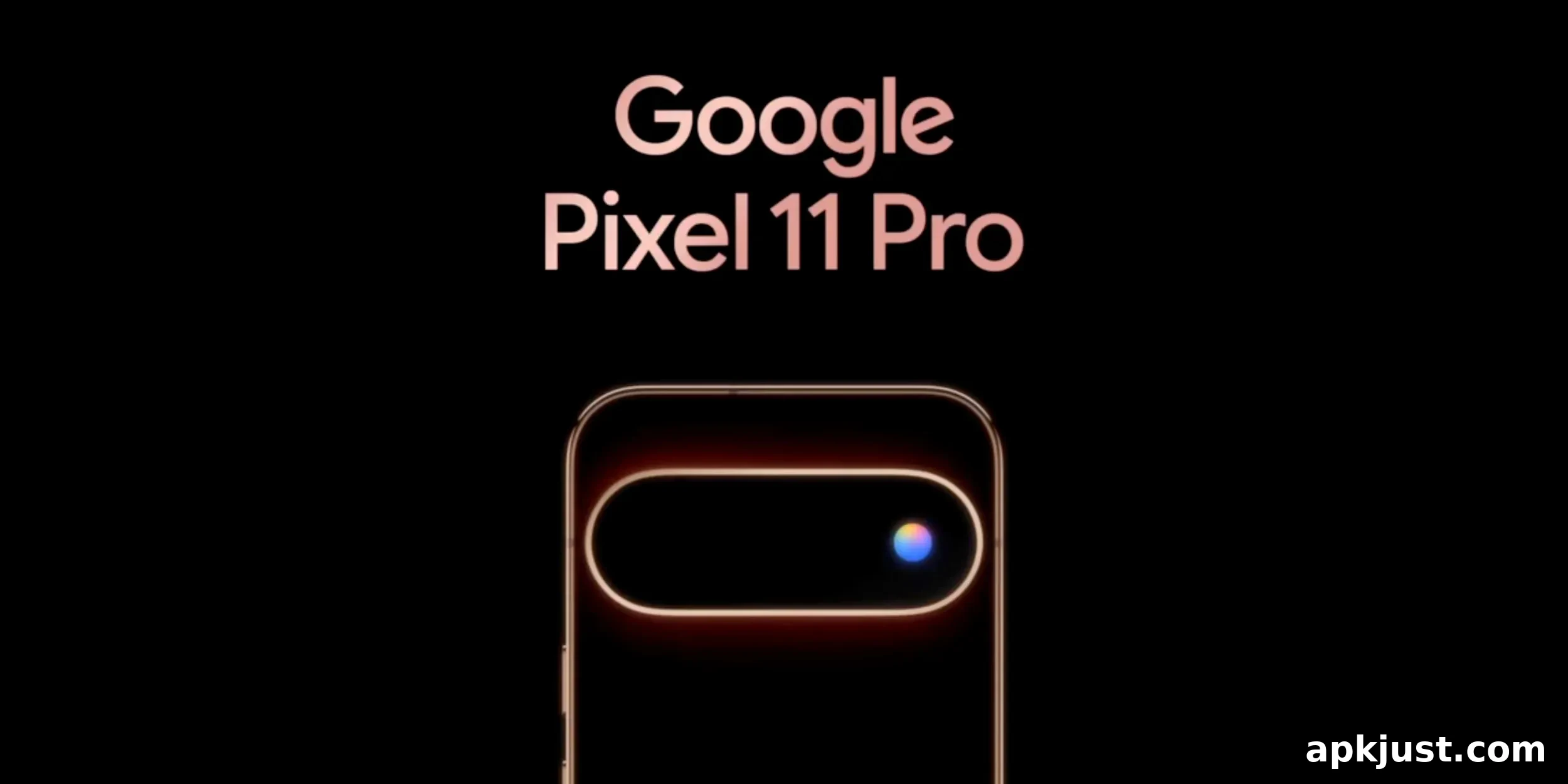
The name “Pixel Glow” first surfaced in the Android 17 Beta, but new information suggests Google may ship the feature under the name “HiLight” with the Pixel 11 Pro.
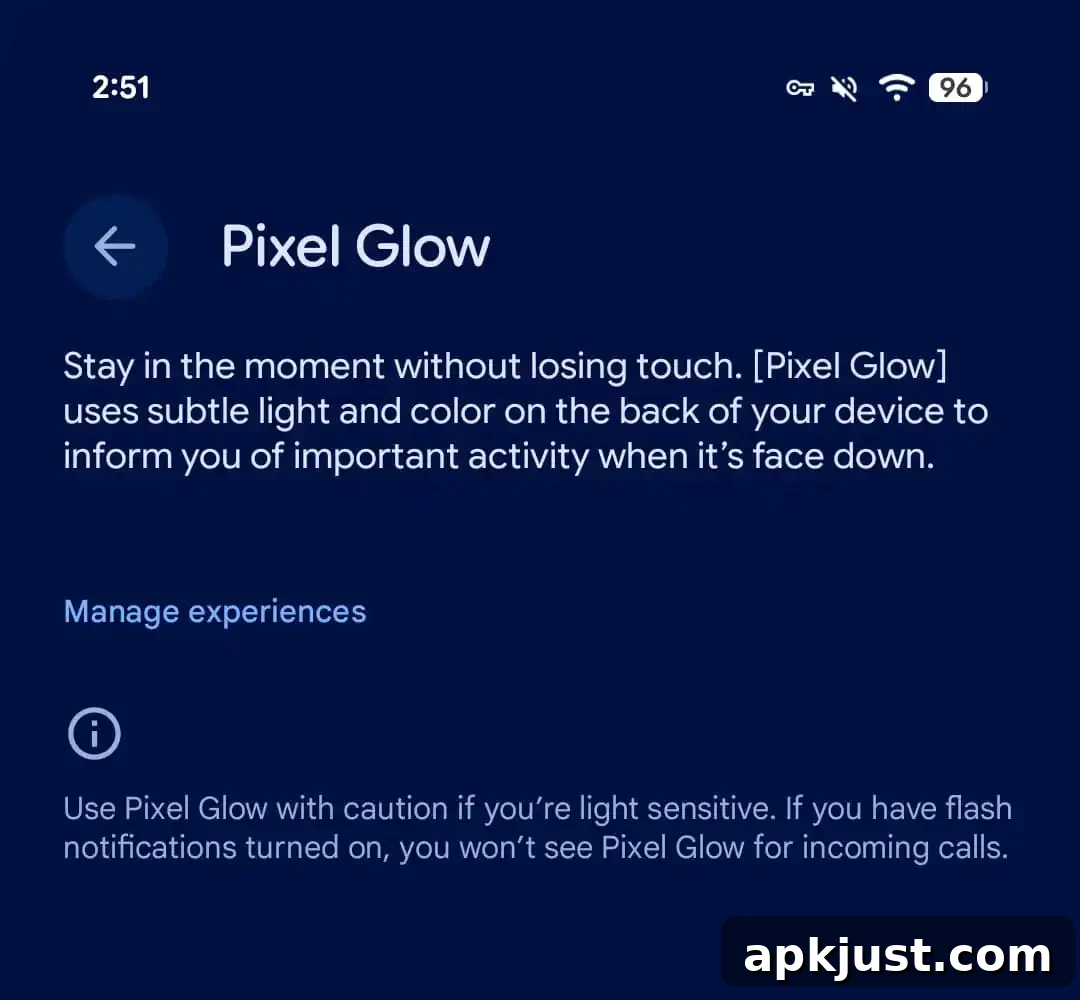
In April, Pixel Glow appeared in Android 17 Beta 4. The preliminary settings screen described a hardware-driven visual feature that uses subtle light and color on the back of the device to indicate important activity when the phone is placed face down.
The Settings strings revealed two specific uses for the lighting:
- Calls from favorites: A gentle light effect to notify you when your top contacts call
- Speaking with Gemini: Visual feedback for hands-free interactions with Google’s Gemini assistant
Official teasers from Google have shown the back lighting sitting alongside the flashlight in the Pixel 11 Pro Camera Bar. The implementation supports a full spectrum of colors and uses a rotating animation that visually resembles the Mac pinwheel spinner, giving the effect a lively, dynamic appearance.
According to a report from Dylan Roussel, the public-facing name for Pixel Glow will be HiLight. The camel-case branding appears to be a playful choice from Google and reads naturally as “Hi Light,” which emphasizes the feature’s role as a physical notification light.
HiLight’s name highlights two key ideas: first, that the lighting will serve as a way to spotlight important contacts and interactions; and second, that it’s an actual light on the device, not just a software animation on the screen. This naming choice helps clarify the feature’s purpose for potential buyers and users.
Beyond calls and assistant interactions, Google’s initial previews raise several practical questions about HiLight’s capabilities and access. One open question is whether third-party apps will be allowed to trigger or customize the lighting, or if HiLight will be limited to Google’s own apps and services. If third-party access is supported, developers could use the light to surface notifications or contextual feedback in new ways. If it remains exclusive to system and Google applications, HiLight will primarily function as an integrated element of Pixel-specific experiences.
There are also design and user-experience considerations to watch for. How customizable will the color and animation options be? Will users be able to assign specific colors or patterns to different contacts or app events? How will the feature handle privacy and accessibility concerns, such as ensuring the light is not overly distracting at night or for users sensitive to flashing colors?
For now, Google’s teasers and the Android Beta strings give a useful preview of what the company is building: a discrete, attractive lighting feature that adds a tactile, visible notification layer to the phone. Whether it lands as HiLight or under another name, the concept represents an interesting direction for hardware-driven notifications on modern smartphones.
As the Pixel 11 Pro launch approaches and more software builds appear, clearer details should emerge about naming, functionality, and developer access. Until then, HiLight — or whatever Google ultimately calls it — looks set to be a distinctive addition to the Pixel lineup, blending color and motion into a new kind of hardware notification.