
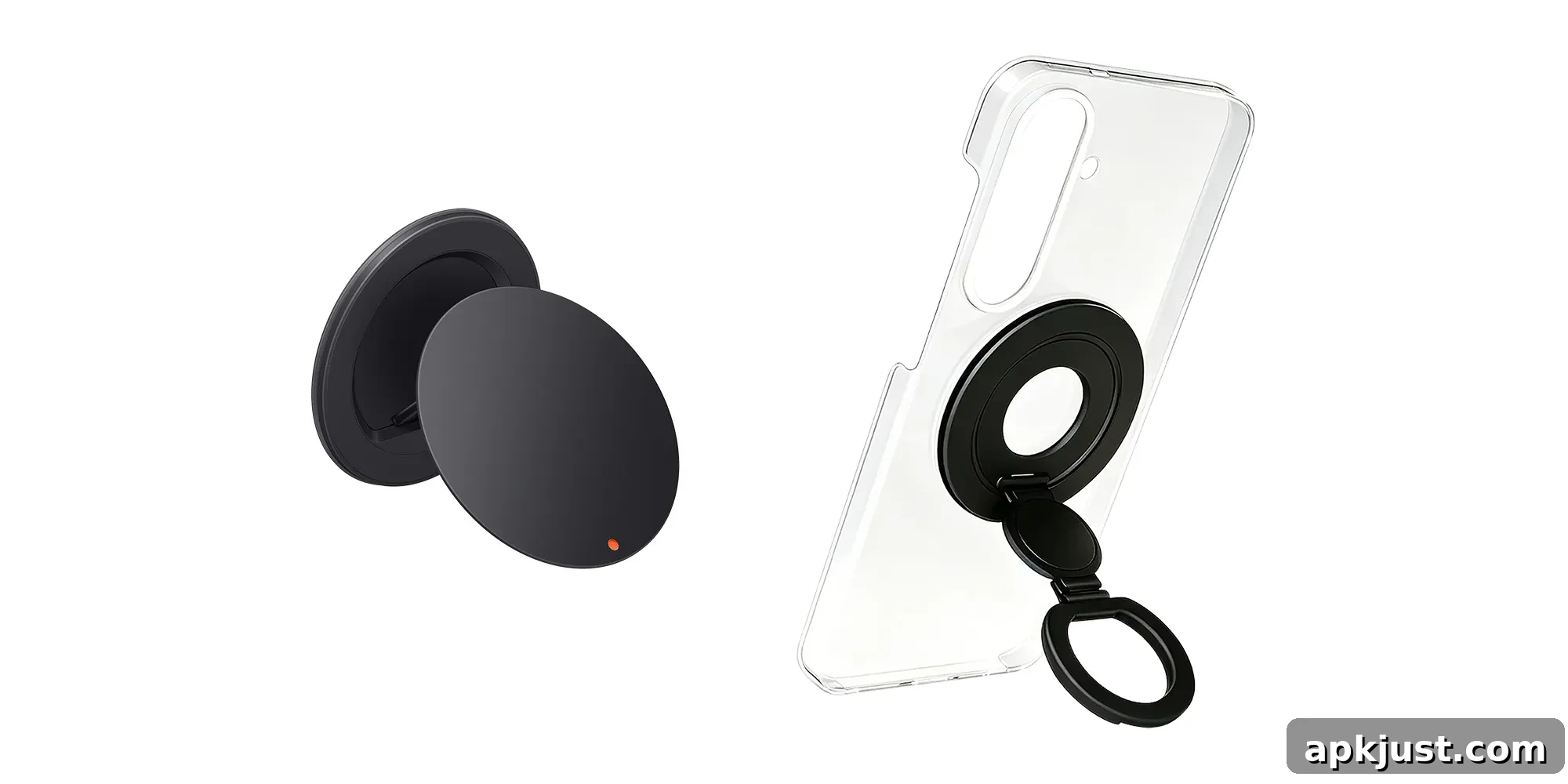
Samsung continues to promote magnetic accessories for its Galaxy phones, even though many of its recent handsets do not include built-in Qi2 magnets. The company’s accessory catalog suggests a commitment to magnetic add-ons, yet Samsung’s latest flagships again omit integrated magnetic arrays, choosing instead to offer cases and standalone accessories that rely on magnets placed outside the phone itself.
Qi2 is a cross-platform magnetic standard similar to Apple’s MagSafe, designed so multiple manufacturers can build devices and accessories that align magnetically and charge reliably. Although the Qi2 specification has been available for some time, adoption across Android manufacturers has been limited. A few phones now include Qi2-compatible magnets, but many flagship devices still lack integrated magnet arrays.
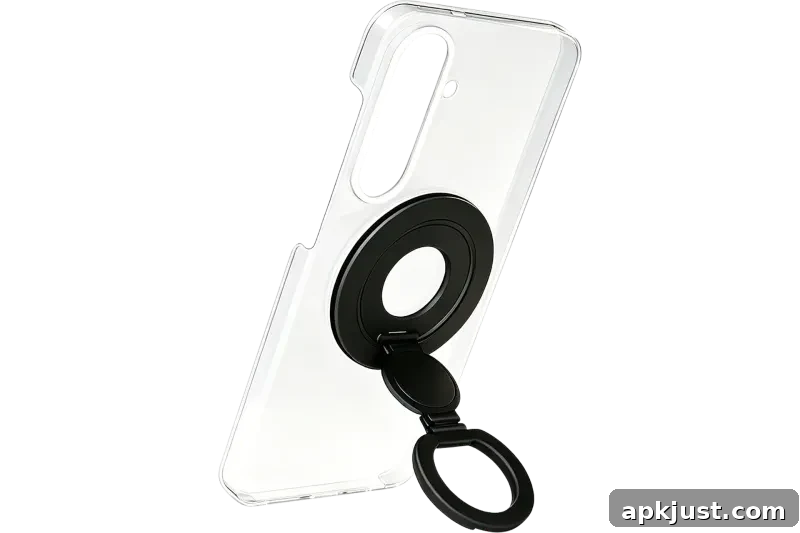
Rather than placing magnets inside its phones, Samsung has leaned into a “Qi2 Ready” approach that relies on cases to house magnetic components. This allows the company to offer magnetic alignment and accessory compatibility through an extra accessory rather than embedding magnets in the device frame. From a practical standpoint, that means Samsung’s magnetic solutions only deliver value when paired with a compatible case — phones on their own can’t attach to these accessories securely.
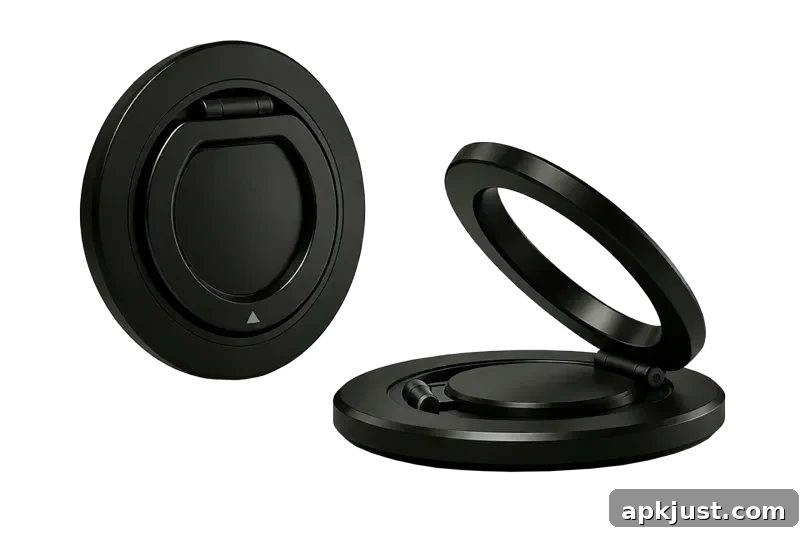
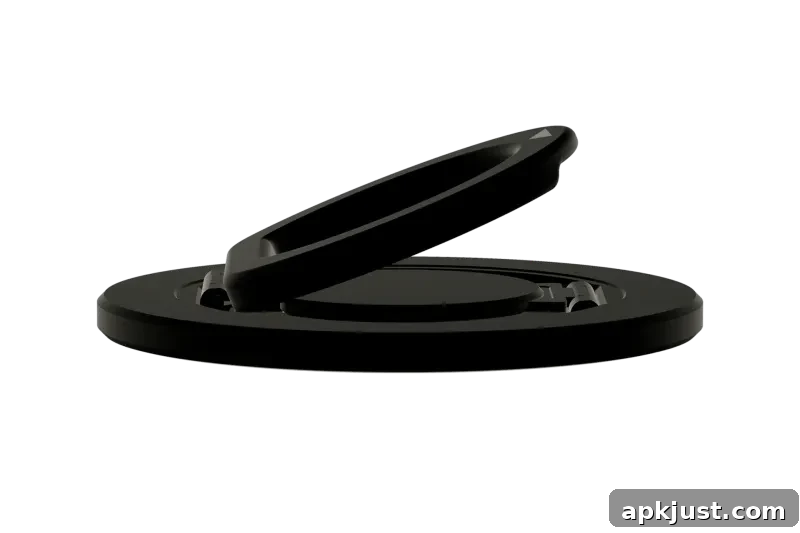
Despite skipping onboard magnets, Samsung has introduced a handful of new magnetic accessories alongside recent device launches. Among them are two new stands designed to attach magnetically to compatible cases: the Dual Magnet Holder Slim, a wider kickstand-styled attachment, and the 360 Stand Magnet, a smaller, circular stand intended for compact support. Both add stability and hands-free convenience when attached to a magnetic case, but they are dependent on that case to function properly.
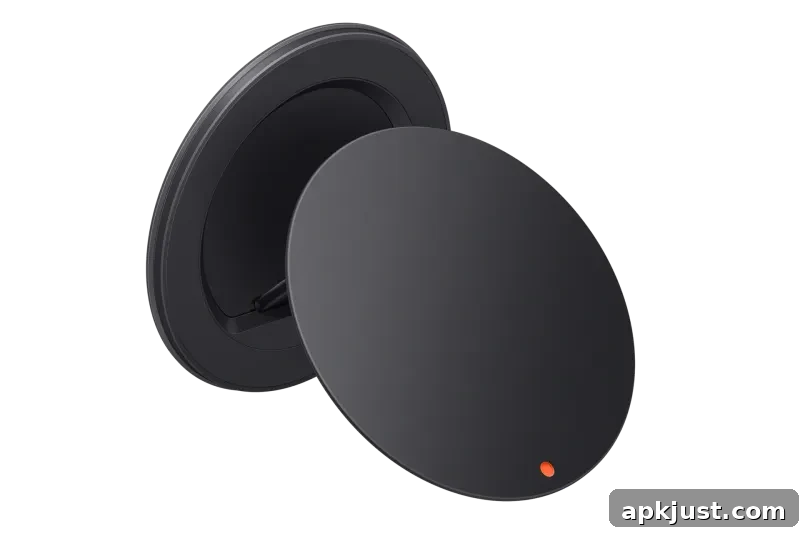
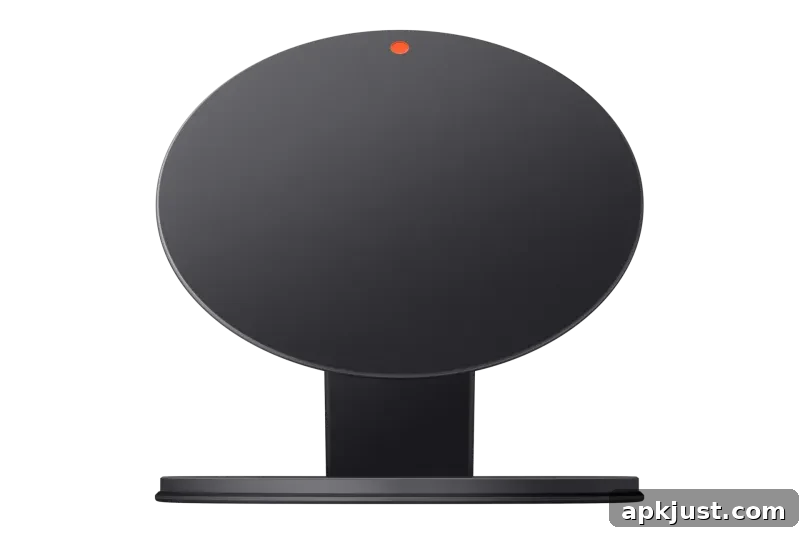
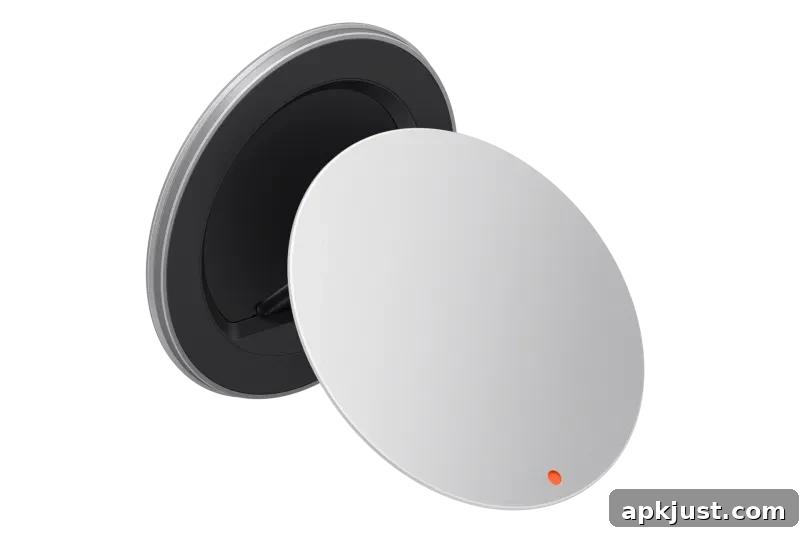
Samsung lists the Dual Magnet Holder Slim and 360 Stand Magnet at separate price points, and those costs come on top of the price of a compatible case. In effect, to use either accessory as intended, a buyer must own a Galaxy phone, purchase a magnetic case that supports the accessory, and then buy the accessory itself. That layered expense may be a turnoff for users who expected magnetic convenience to be built into the phone.
The presence of first-party magnetic accessories shows that Samsung recognizes the practical value and consumer interest in magnetic attachments. Cases with built-in magnets can simplify charging, improve accessory alignment, and enable a range of add-ons such as stands, wallets, and mounts. Still, Samsung’s decision to prioritize other internal design choices over integrating magnets into the phone — for example, different internal layouts and camera module designs — means these benefits remain tied to accessory ecosystems rather than the devices themselves.
More on Samsung:
- Galaxy Z Fold 8 in ‘Pistachio’ already appears to be selling out
- Samsung teases Android XR glasses with phone and watch integration and teases a reasonable price
- Galaxy S27 Ultra rumored to approach a 6,000 mAh battery in a long-overdue upgrade
Follow Ben: Twitter/X, Threads, Bluesky, and Instagram