

Welcome to Inbox. I hope you had a relaxing weekend. I’m on vacation this week, and when I’m not glancing at my inbox, I plan to finally read a few books that have been waiting on my shelf since spring. What are you reading these days? Reply to this email or leave a comment on the site and tell me.
Inbox is the tech newsletter you can read in about 95 seconds. We summarize the most important 9to5Google stories from the past few days and share notable items from elsewhere on the web. We publish every Tuesday and Thursday — if you enjoy these updates, please subscribe.

You can find previous issues of Inbox in our archive.
⭐️ Starred
On Friday we spoke with Shakil Barkat, Google’s Vice President of Devices and Services, about the upcoming price increases for current and future Pixel devices. He confirmed that the Pixel 11 series will be priced higher and said pricing will be adjusted dynamically to reflect supply realities. Given recent price moves from other manufacturers, this isn’t surprising.
More notable was Google’s framing of the RAM shortage as a software challenge and an opportunity. Barkat described a “dedicated effort” to drive down memory requirements across Android and the broader app ecosystem so devices can run well with less RAM while preserving a strong user experience.
Beyond needing to pass “supplier costs” to consumers, Google is also “aggressively engineering its way through these challenges.” Barkat mentioned a “dedicated effort” to drive down memory requirements across Android and the app ecosystem to “enable devices to have less RAM while maintaining a great user experience.”
This comes amid rumors that some Pixel 11 Pro variants may ship with less RAM than their Pixel 10 Pro counterparts. For context, Pixel 10 Pro models started at 16GB of RAM to support local AI workloads. Early reports suggest the 256GB Pixel 11 Pro might drop to 12GB, reserving 16GB for higher-capacity models. Google says it will make Android more RAM-efficient to compensate, but the details are not yet public.
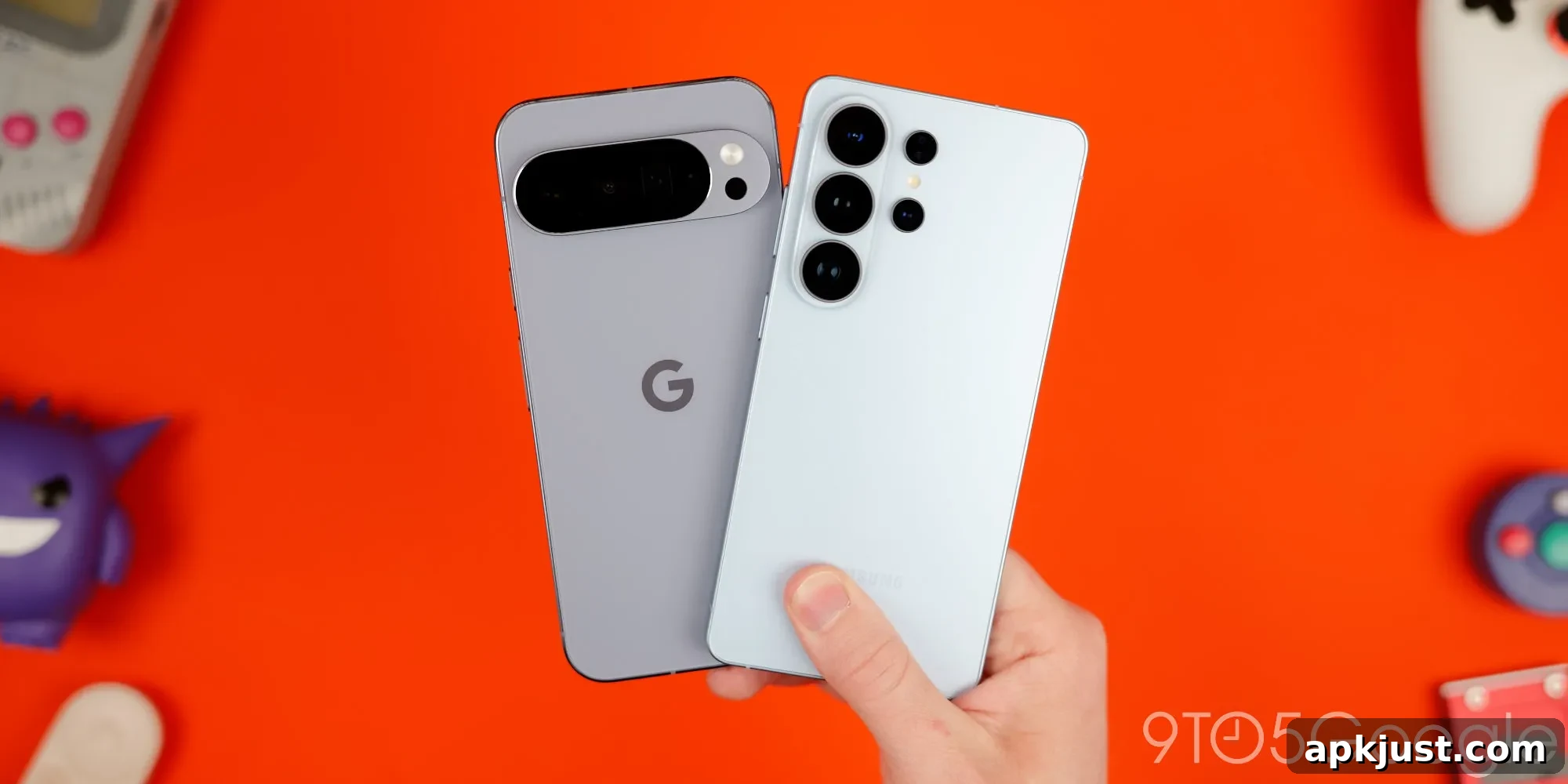
Reducing RAM needs is plausible for many parts of the OS, but questions remain about local AI workloads. Running larger on-device models demands memory and compute; an improved, efficient TPU could handle much of the load, but whether a 12GB phone will match every 16GB task remains to be seen. It’s likely most users won’t notice meaningful differences, but edge cases could exist until developers and Google fully optimize models and system software.
The RAM crunch also affects lower-end phones. Rising component costs make it harder to build budget devices. Manufacturers may trim memory to ship sub-$200 phones, potentially offering 4GB or 6GB options to meet price targets. Some companies have already adjusted product plans because of memory shortages, and more changes may follow.
Google has tackled performance and efficiency challenges before. Past initiatives—Project Butter for smoother animations, Project Svelte to improve memory use on low-RAM devices, Project Treble to simplify updates, and Project Mainline to update core components outside full OS releases—show the company can focus on systemic improvements. Those efforts suggest Google could integrate RAM-saving measures into a future Android update or QPR release, presenting efficiency work as a timely improvement rather than just a cost-cutting measure.
✉️ Inbox
- Google has introduced a new “selfie video” sign-in method that lets you use facial recognition to access your Google account on mobile or desktop.
- The EU fined Google €890 million (about $1 billion) over alleged preferential treatment in Search and the Play Store.
- Samsung’s Galaxy Watch 9 and Ultra 2 will be the first Wear OS watches promised five years of software updates, one year more than previous models.
- Gemini Spark is rolling out to Google AI Pro users in the U.S., expanding access beyond the highest-tier subscribers.
- Nothing denied reports that it’s shutting down, but confirmed layoffs as it reorganizes operations into regional hubs.
- Leaked reports suggest Samsung’s 2027 flagship lineup could include four models and a return of a high-end TriFold device.
- Samsung hinted at broader adoption of silicon-carbon battery tech across its phones, which could improve battery density.
- A separate rumor suggests a significant battery upgrade for a future Galaxy Ultra model, potentially nearing 6,000 mAh.
- Samsung teased Android XR smart glasses with phone and watch integration and suggested pricing will be “reasonable.”
- YouTube Premium subscribers in the U.S. will soon receive Peacock’s ad-supported tier at no extra cost through a new agreement with NBCUniversal.
🤑 Action items
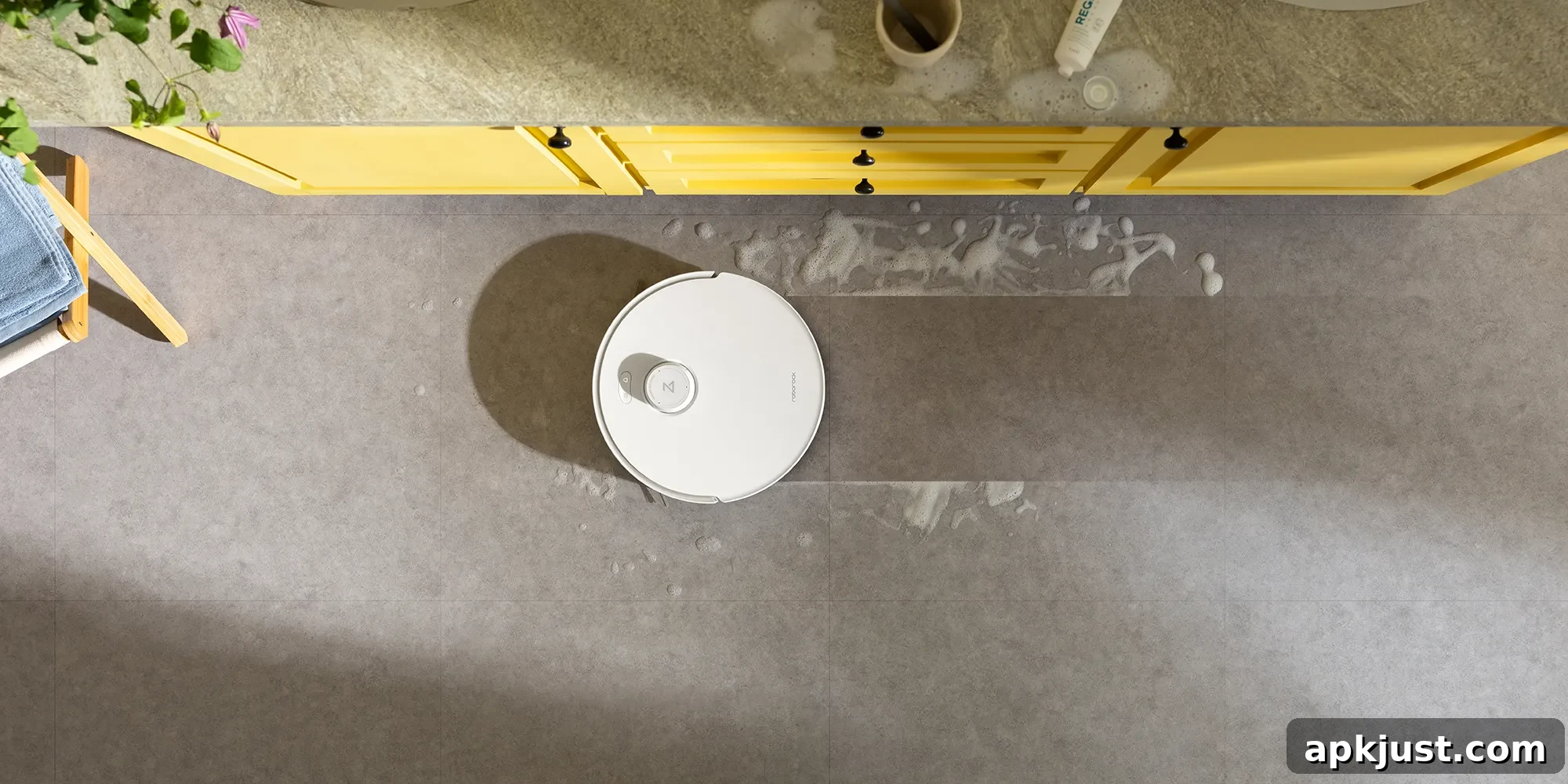
My robot vacuum, Steve, often gets stuck shortly after starting his nightly run, which is endlessly frustrating. When it works, though, it’s wonderful to come downstairs to a clean living room and kitchen. I use a Roborock S7 MaxV and, despite the upkeep and occasional jams, I appreciate the time it saves.
Right now, Woot has a sale on refurbished Roborock models, including the Q Revo and S8+. I haven’t tested those specific models, but reputable reviews praise their performance and value. If you’re in the market for a robovac, it’s worth a look.
🙃 FWD:
This section highlights interesting items from around the web: videos, essays, memes, apps, and more. Send us your suggestions!
With YouTube Premium soon including Peacock in the U.S., I’m reminded of one reason people still open NBC’s app: Saturday Night Live. One standout is last year’s documentary Ladies & Gentlemen… 50 Years of SNL Music, co-directed by Questlove. It brings together performances and interviews with many influential musicians and songwriters and offers a compelling look at SNL’s musical history.
If you enjoyed SNL’s 50th anniversary coverage, this documentary is a concentrated dose of the show’s musical legacy and worth watching for fans of the series and music history alike.
🗑️ Trash
The gaming industry is going through a rough patch. Microsoft recently cut thousands of jobs from its Xbox teams, and Sony has announced plans to phase out physical game discs by 2028. These shifts are unsettling for players and raise concerns about preservation and access to games.
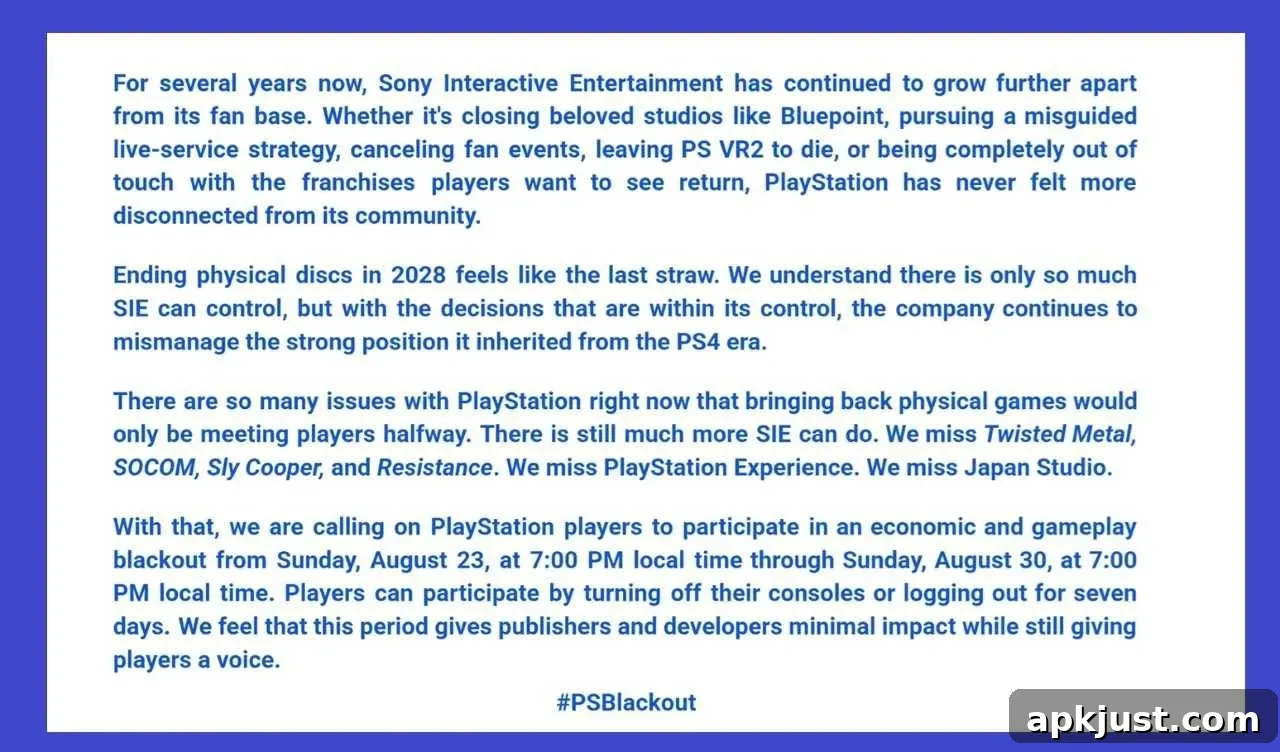
The advocacy group Does It Play? is organizing a one-week PlayStation blackout from August 23 to 30 to protest moves away from physical media. They’re also promoting a petition to preserve physical games, which has gathered hundreds of thousands of signatures. I’ve signed it and encourage anyone who cares about game preservation to consider signing as well.
Enjoyed this issue? Subscribe to Inbox to get it in your inbox every Tuesday and Thursday. Have feedback? Send us an email.
You can also support our work by becoming a 9to5Google Pro member, starting at $5/month. Perks include bonus podcast episodes, access to a members-only Discord server, and more.
Thanks for reading. Have a great day, and see you on Thursday!