
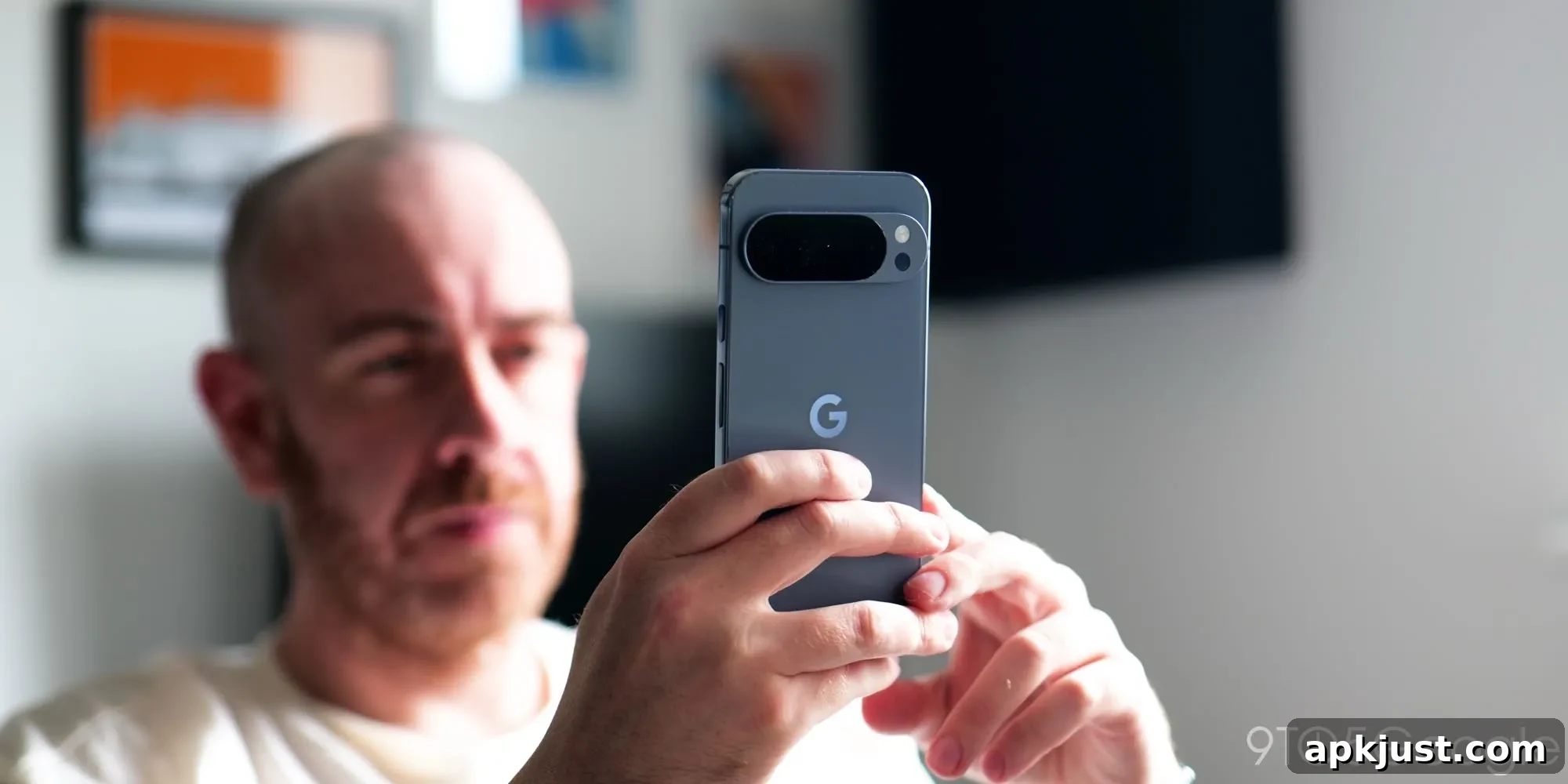
I write about smartphones, Android, and consumer technology for a living, and I’ll admit I’m addicted to the devices I use every day. Recognizing that addiction and building a healthy break from my phone has made me happier and healthier. If you feel you use your phone too much, you might learn from my missteps and what actually helped.
Talk to almost anyone for five minutes and you’ll hear growing frustration about how much time we waste staring at the glowing rectangles in our pockets. I love technology—new devices excite me and I enjoy following every development in my favorite mobile platform—but that enthusiasm has at times come at the expense of my own mental well-being.
It’s a blessing and a curse: I love my phone, but I hate how often it pulls me out of the present moment.
Take a second to think about your own relationship with your phone. Many of us spend hours each day pouring parts of our lives into apps designed to keep us engaged, scrolling, and distracted. While that can feel exaggerated, looking honestly at screen-on-time stats can be sobering. Writing a long-term review of a new device forced me to confront my own habits and realize just how addicted I had become.
A few weeks before a major product event, I reached a tipping point: I had to detach more from my devices.
Admitting you have a problem and taking the first steps
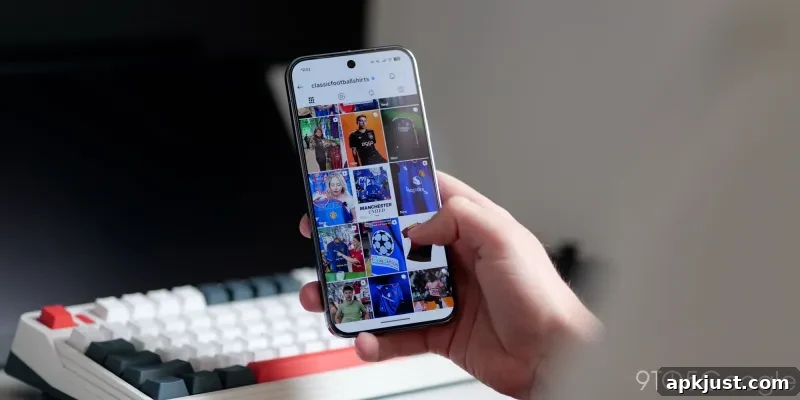
My downward spiral originally started with Twitter. It became a reflex: pick up the phone, open the app, pull to refresh, scroll through the feed, and suddenly 20 minutes have vanished. When ownership changes and platform instability hit, I used that moment to delete my account and my data. That helped a little, but the urge to scroll simply migrated to other services—Threads, Instagram, and for a time, Bluesky.
Digital Wellbeing tools on Android exist, but they are often easy to bypass. Tapping “Use app for 5 minutes” rarely stops the behavior; it’s just a small inconvenience, not a solution. I did occasionally lock certain apps away on weekends, but even then I found myself checking in out of habit.
So I decided to go nuclear.
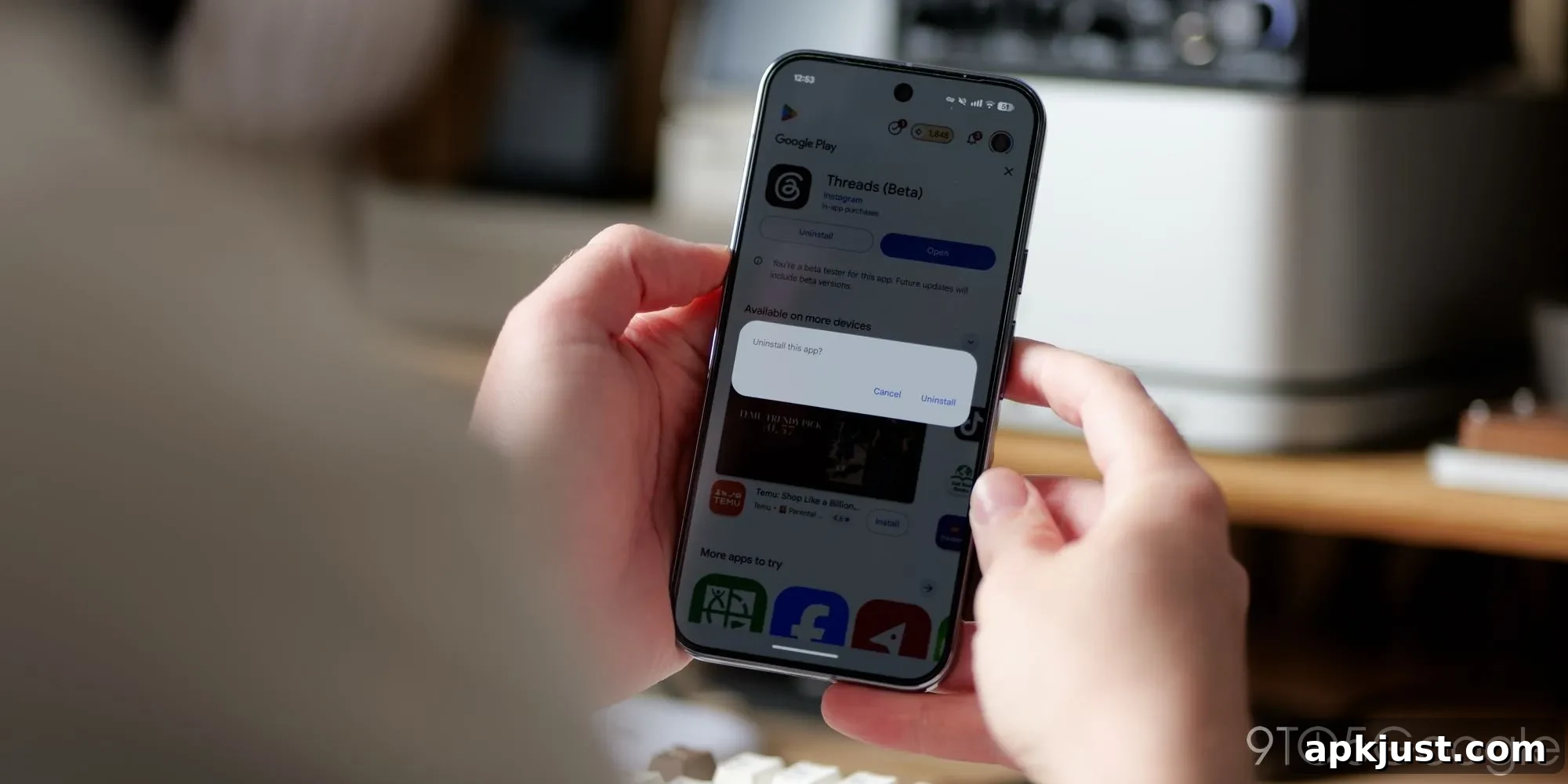
I kept accounts for visibility, but I went cold turkey on most social apps. I removed shortcuts, logged out, and made them inconvenient to access. If I need to view Threads, Bluesky, or Instagram, I now have to use a PC and sign in through a locked browser window. The friction is intentional: making access annoying reduces impulse use. I’ll check in occasionally to post something important, but the constant nagging urge to scroll has eased dramatically.
Is it me, or is it the phone?
After a few months without mainstream social networks, I realized I’d simply shifted my scrolling habit to Reddit. Any spare moment meant diving into subreddits and niche communities. I convinced myself this was productive, but in truth it was another form of mindless scrolling—debating trivial topics or getting lost in comment threads.
That taught me an important lesson: you can change the service, but the habit remains unless you change the behavior behind it. Swapping platforms is not enough; you have to change the triggers and the rewards that keep you coming back.
Substitute the phone, not the service
I’m not advocating ditching your phone entirely—most of us rely on it for navigation, payments, rides, and even car keys. Instead, I focused on substituting the phone with other activities whenever the urge to reach for it hit.
Small but effective changes made a big difference. I stopped taking my phone into the bathroom. It sounds trivial, but leaving the phone behind removed a frequent micro-sprint of wasted time. When I want to watch a movie, I go to the cinema more often, because sitting in a theater encourages focus. When I watch TV at home, I leave my phone in another room.
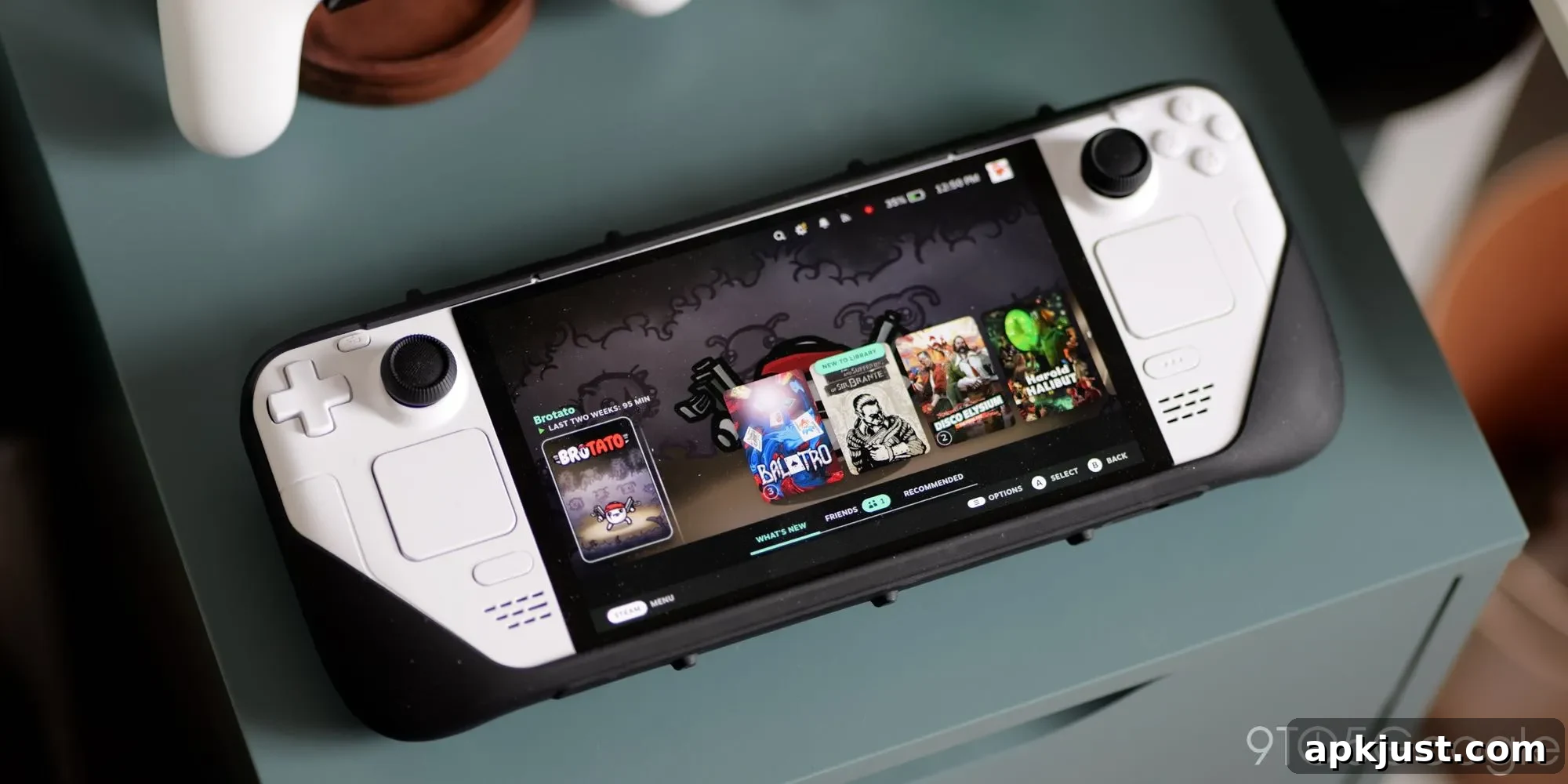
Gaming and reading filled many of the gaps where I used to scroll. If I need background distraction while watching something, I pick up a controller and play on my Switch or Steam Deck. Gaming is at least interactive and often rewarding. In bed, I replaced my phone with a small e-reader and now read for up to 45 minutes before sleeping. The e-reader runs limited software and is deliberately underpowered for web browsing, which helps keep reading the focus rather than drifting into social feeds.
I also created physical distance between myself and my phone at night: it charges across the room on a cabinet inside a wardrobe. My Nest Hub handles alarms, so I don’t need my phone on the bedside table. Out of sight means out of mind, and that simple step reduced habitual late-night scrolling.
Five to six months into these changes, the difference is clear. I feel less dependent on my phone, more present in conversations, and generally happier. My attention spans recovered, and I’ve found more time for focused work, meaningful leisure, and better sleep. I still worry about relapsing sometimes, but for now the trade-offs are worth it: more presence, better mental health, and a healthier relationship with technology.
Follow Damien: Threads, Bluesky, Instagram