
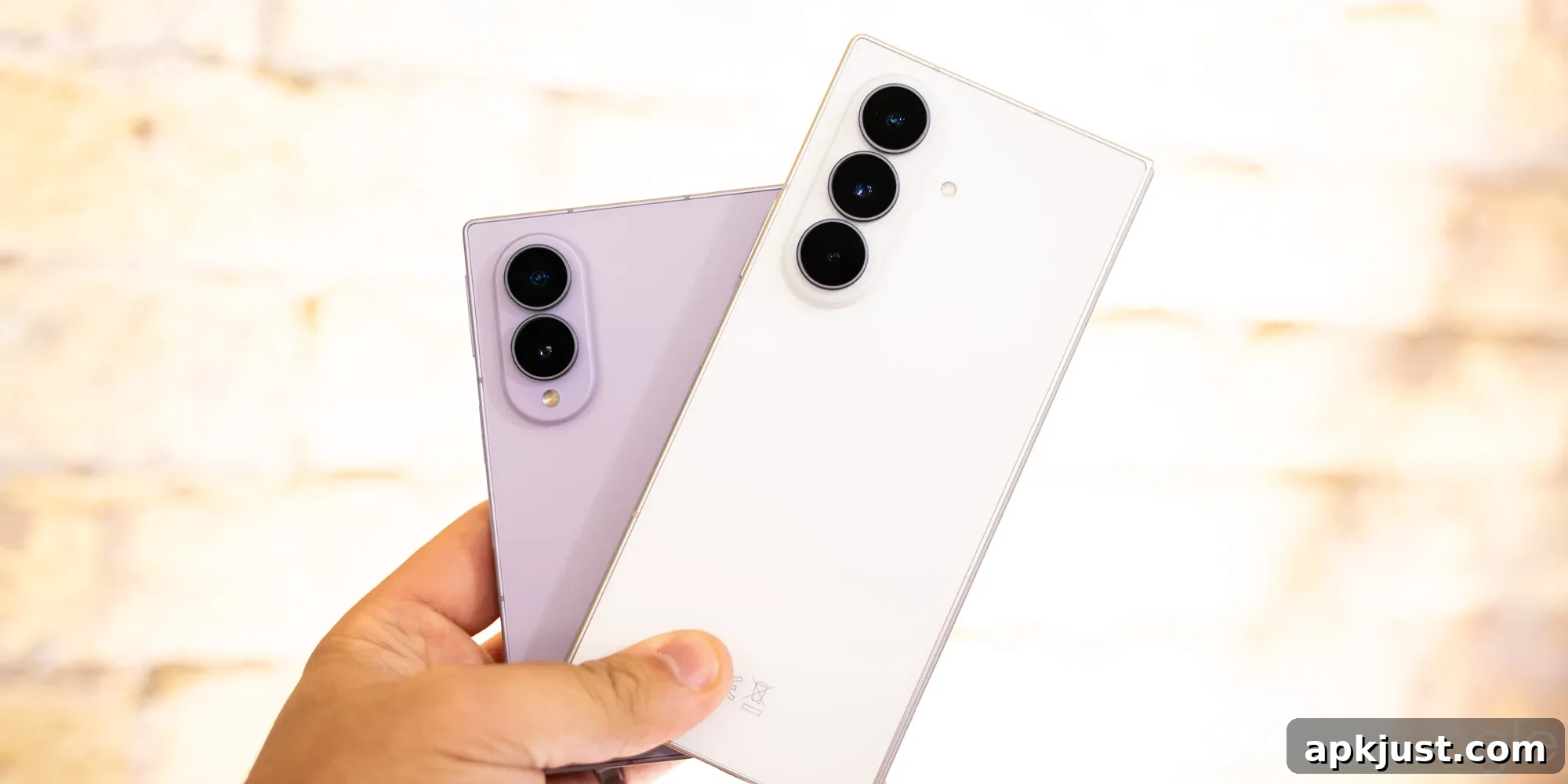
Samsung’s new Galaxy Z Fold 8 series is here, and the company is clearly trying to persuade buyers to switch to its latest foldable lineup. The devices bring meaningful refinements and a fresh form factor, but Samsung’s trade-in strategy undercuts that effort and makes switching less appealing for many potential customers.
A major theme at Samsung’s recent Unpacked event was openness — an invitation for new users to join the Galaxy ecosystem. That message makes sense: every tech company wants to attract new customers. For foldables in particular, manufacturers have been trying to broaden their audience for years, and Samsung has repeatedly emphasized carrier partnerships and protection plans as ways to reach new buyers.
Despite those efforts, a significant obstacle remains: trade-in values. The outright price of foldable hardware is a known issue—these phones are premium products—but the way trade-in discounts are being allocated is equally important for convincing people to upgrade or switch brands. In 2026, trade-in credit is one of the most direct levers companies can pull to drive conversions, and Samsung’s current approach feels misaligned with its stated aim of opening up the platform to newcomers.
Samsung still offers strong credit for customers trading in recent Galaxy devices, with maximum values that can reach the high hundreds or even into four figures for the newest models. That strategy rewards existing Samsung customers and encourages brand loyalty, which is valuable. However, trade-in values for competing phones drop sharply, making it far less compelling for someone using a high-end non-Galaxy phone to switch to a Galaxy Fold 8.
For example, a top-tier iPhone or a high-end Pixel that would normally command a sizable trade-in allowance now receives considerably less credit than last year. At the same time, trade-in offers for recent Galaxy phones have been increased. The result is a widening gap: loyal Samsung owners receive generous incentives, while switchers face a much smaller discount.
That disparity undermines the goal of expanding the foldable user base. If someone with a flagship iPhone or Pixel is considering switching to a foldable, the trade-in value is a significant part of the decision. A lower allowance can be the difference between making the jump or staying put. Reducing non-Galaxy trade-in prices not only discourages potential switchers but also sends an unwelcoming signal to customers who might be curious about trying Samsung’s foldables for the first time.
Here is a simplified comparison of recent trade-in values Samsung has offered for upgrading to its latest foldable and what those values looked like in the previous year:
| To Galaxy Z Fold 8 Ultra | To Galaxy Z Fold 7 (July 2025) | |
| Galaxy Z Fold 7 | $1,200 | N/A |
| Galaxy Z Fold 6 | $1,100 | $1,000 |
| Galaxy S26 Ultra | $1,200 | N/A |
| Galaxy S25 Ultra | $900 | $1,000 |
| Galaxy S24 Ultra | $850 | $800 |
| Galaxy Note 20 Ultra | $150 | $600 |
| Pixel 10 Pro Fold | $520 | N/A |
| iPhone 17 Pro Max | $550 | N/A |
| iPhone 16 Pro Max | $490 | $750 |
The pattern is clear: Samsung increased trade-in ceilings for recent Galaxy models while cutting the value for many non-Galaxy devices. That makes upgrades within the Galaxy family attractive, but it reduces the incentive for someone using another flagship device to make the switch. For people considering changing ecosystems, that trade-in gap can feel like a deliberate barrier rather than an invitation.
This approach also matters strategically because Samsung has historically relied on repeat upgrades within its own user base to drive foldable sales. Past admissions from Samsung suggest that many foldable buyers have been previous foldable or Galaxy customers, and while loyalty is vital, broadening market share requires converting users from other ecosystems too. With competitors continuing to innovate — and with new entrants likely on the horizon — Samsung should consider whether its trade-in policy is the best way to maintain momentum.
Given that Apple and other rivals are developing foldable alternatives, Samsung’s trade-in program feels like an opportunity missed. Offering more balanced trade-in values across brands would better support the company’s stated goal of greater openness and could attract a wider pool of interested buyers. Generous, fair trade-in credit for non-Galaxy devices would lower the barrier to entry and align financial incentives with Samsung’s marketing message.
What do you think about Samsung’s trade-in strategy and the Galaxy Z Fold 8 launch? Does the current approach encourage or discourage you from switching to a foldable?
More on Samsung:
- Galaxy Watch 9 and Ultra 2 are the first Wear OS watches with five years of updates
- Samsung and Google’s Android XR glasses privacy light works like other smart glasses implementations, with core features highlighted
- Samsung made it noticeably easier to open the Galaxy Z Fold 8 foldables with hinge refinements
Follow Ben: Twitter/X, Threads, Bluesky, and Instagram