

From a beloved player in the early Android era to a brand that now risks fading into irrelevance, OnePlus’s decline raises a clear question: what went wrong?
Table of contents
- Enthusiast beginnings end in tears
- Struggling to break into the established order
- First mover advantage was lost
- The era of Settling
- Founding fallout
- Too many form factors
- Quiet quitting on a global scale
For more video content, subscribe to 9to5Google on YouTube.
Enthusiast beginnings end in tears
In its early years, OnePlus felt like a genuine breath of fresh air. The brand delivered strong hardware, a clean software approach, and a passionate community that helped shape its identity. The invite system created buzz and a sense of exclusivity — it made buying a OnePlus feel like joining a club. That aura of being a community-driven underdog was central to the company’s appeal.
Yet building around a small, vocal enthusiast base has limitations. Enthusiasts matter for credibility and early momentum, but they don’t comprise the mainstream market. OnePlus’s identity anchored to this core audience made wider expansion challenging. When a company relies heavily on a niche community, scaling without alienating original supporters is difficult, and that tension has repeatedly shown in OnePlus’s strategy.
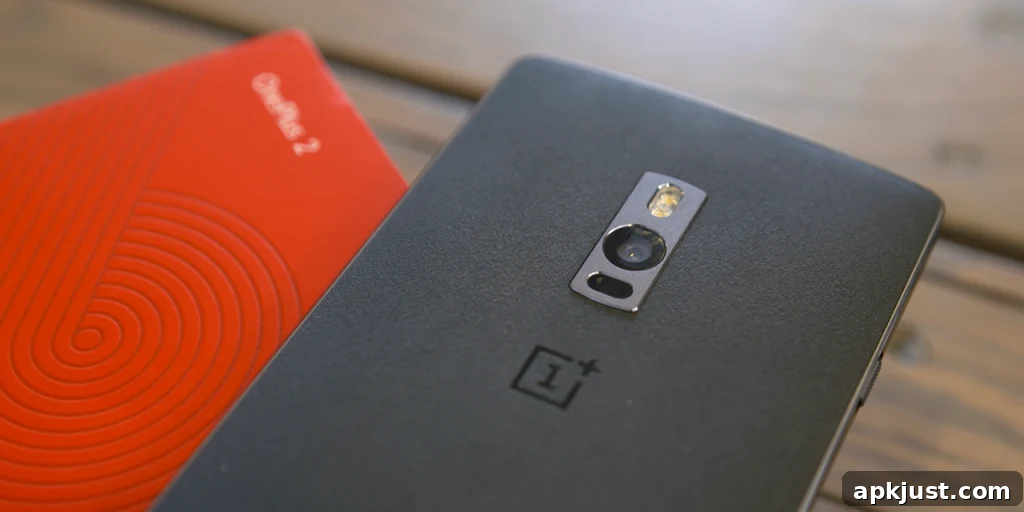

As smartphones became ubiquitous, the enthusiast niche shrank in relative importance. A disruptor must keep disrupting to stay relevant; once competitors adopted similar strategies, OnePlus’s advantage began to fade. That shift compounded problems when the company tried to move beyond its original niche without a clear plan to retain its identity.
Struggling to break into the established order
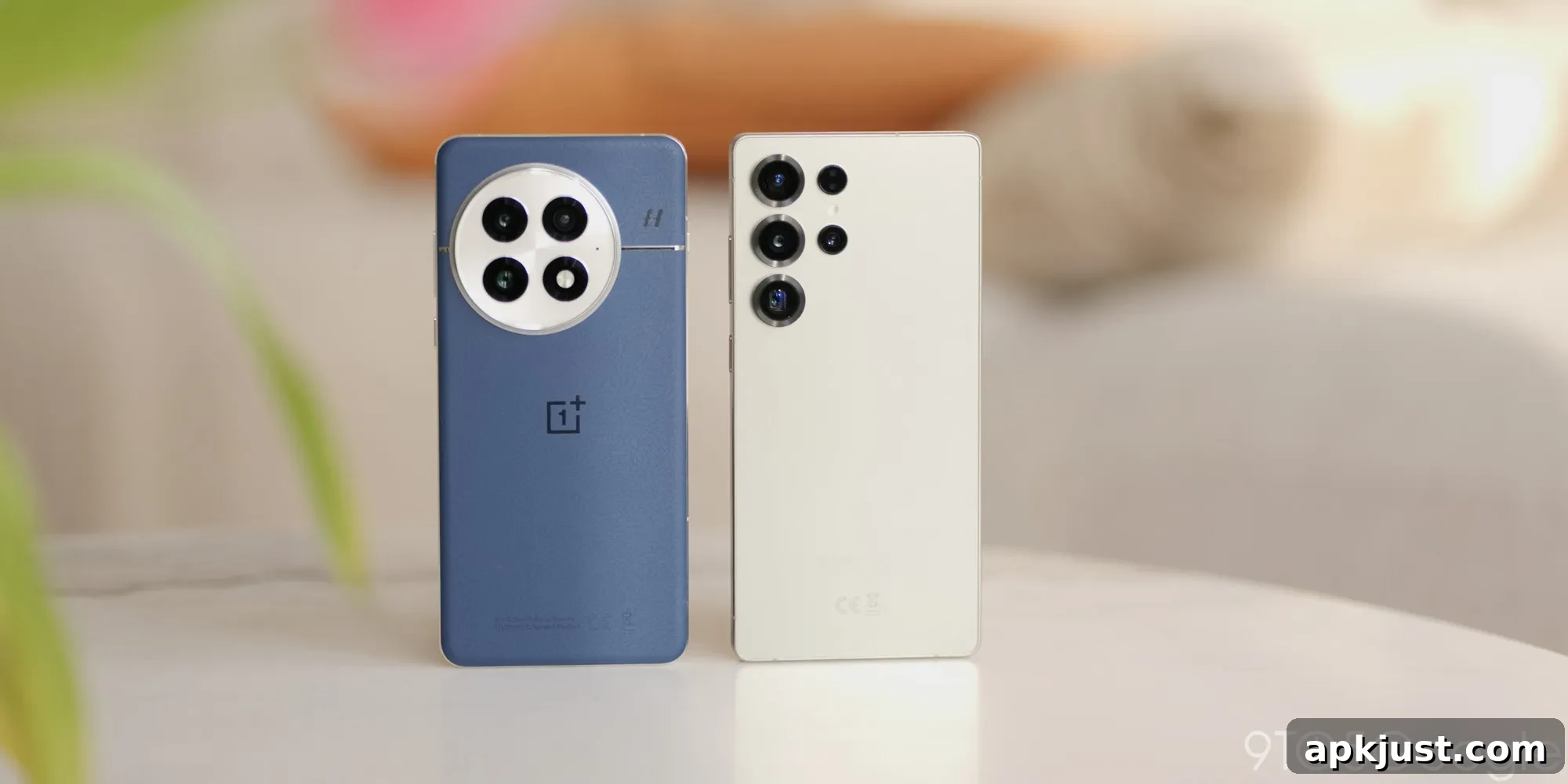
OnePlus struggled to become a mainstream option in many markets. The invite system that generated hype also restricted impulse buys. Global availability and carrier partnerships were inconsistent, which hurt penetration in crucial markets such as the United States. Success in carrier-led markets requires deep, sustained partnerships — something OnePlus never managed at scale.
Although OnePlus briefly partnered with a major carrier, that foothold did not turn into sustained growth. In regions dominated by a few major brands, OnePlus remained a niche choice. Despite widespread attention from media and tech enthusiasts, global market share never matched the brand’s perceived influence.
First mover advantage was lost
OnePlus initially captured attention by delivering flagship-level specs at much lower prices. The “flagship killer” story was compelling, but competitors soon adopted similar strategies. Companies like Xiaomi and various BBK sub-brands reduced OnePlus’s uniqueness by offering comparable hardware and aggressive pricing.
As rivals matured and diversified, the competitive landscape became crowded. That benefited consumers with more choices and lower prices, but it squeezed OnePlus—especially given the brand’s modest market share compared to larger global players.
The era of Settling
“Never Settle” once meant offering the best performance and value by prioritizing core features while cutting costs elsewhere. To maintain that price advantage, OnePlus historically compromised on some components — cameras, wireless charging, and high-cost certifications — while delivering top silicon, fast displays, and rapid charging.
Over time, the company moved to add premium features and expensive partnerships. These changes raised prices into the premium bracket, putting OnePlus in direct competition with Apple and Samsung without the decades of brand cachet those rivals enjoy. Once the price advantage disappeared, the brand struggled to justify premium positioning to mainstream buyers.
Execution also faltered in key areas. Cameras and software optimization lagged at times, undermining otherwise strong hardware. Capability without consistent execution became a recurring issue: promising specifications failed to translate into reliably superior real-world experiences.
Founding fallout

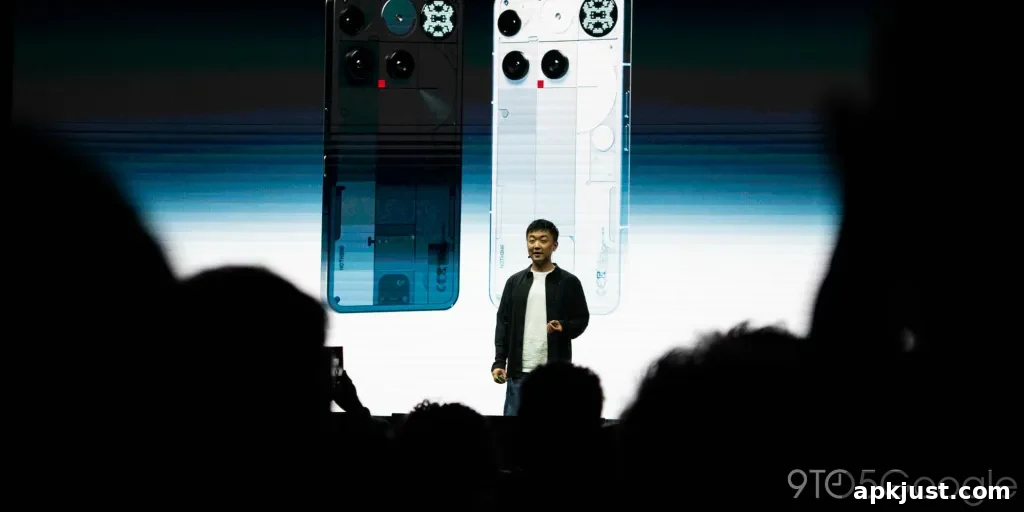
Leadership changes marked a turning point. The departure of co-founder Carl Pei in 2020 and reorganizations that aligned OnePlus more closely with sister brands affected identity and direction. Software changes tied OnePlus to a broader corporate ecosystem, which improved update support but diluted the clean, distinct OxygenOS experience many fans prized.
The transition to a ColorOS-based experience brought longer-term benefits in some areas but also introduced bugs and removed a key differentiator. For many loyal users, the software shift symbolized a loss of the brand personality that initially drew them to OnePlus.
Too many form factors
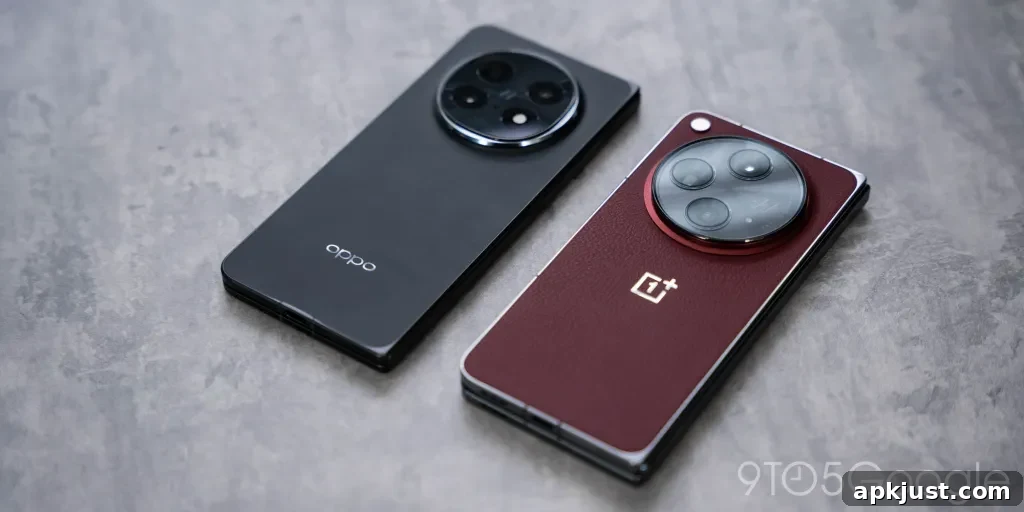

Where OnePlus once released a small number of well-crafted models each year, the product line expanded into a confusing mix of flagships, Pro models, midrange Nord variants, budget N-series devices, tablets, and foldables. That proliferation diluted brand clarity.
Offering a low-cost plastic phone alongside a high-end flagship reduces the perceived prestige of the brand. Consumers faced a confusing array of choices that often overlapped in features, while loyal buyers found the product identity blurred and less compelling.
Quiet quitting on a global scale


Ultimately, OnePlus appears to have drifted from the audience that made it successful. Price increases and a crowded portfolio alienated early fans, and the brand never established the deep premium equity needed to command higher prices in mainstream markets.
Communication and transparency also matter. Perceived silence around major strategic decisions and shrinking operations in some regions have damaged trust. For customers who recently chose OnePlus devices, these signals create uncertainty that affects future buying decisions.
In the end, OnePlus’s decline is the result of multiple factors: losing its distinct software identity, expanding into too many product lines, failing to secure lasting carrier partnerships, and navigating leadership changes that shifted priorities. Each alone might have been manageable, but together they eroded the brand’s unique value proposition. Whether OnePlus can recover depends on refocusing on a clear identity, rebuilding trust with its community, and delivering consistent hardware and software experiences that stand out in a crowded market.