

Snap, the company behind Snapchat, has announced the long-awaited release of its AR smart glasses, called Specs, with a retail price of $2,195.
Unlike audio-only or simple display-enabled eyewear unveiled recently, Snap’s Specs are true augmented reality (AR) glasses designed to augment the physical world with digital content rather than simply overlaying information in front of the wearer’s eyes. The product represents years of development and marks one of Snap’s most ambitious hardware efforts to date.
At the Augmented World Expo (AWE) this week, Snap revealed the first availability details for Specs. Pre-orders are open with a refundable $200 deposit. Shipments are planned for Fall 2026 in the United States, United Kingdom, and France, with the final price set at $2,195.
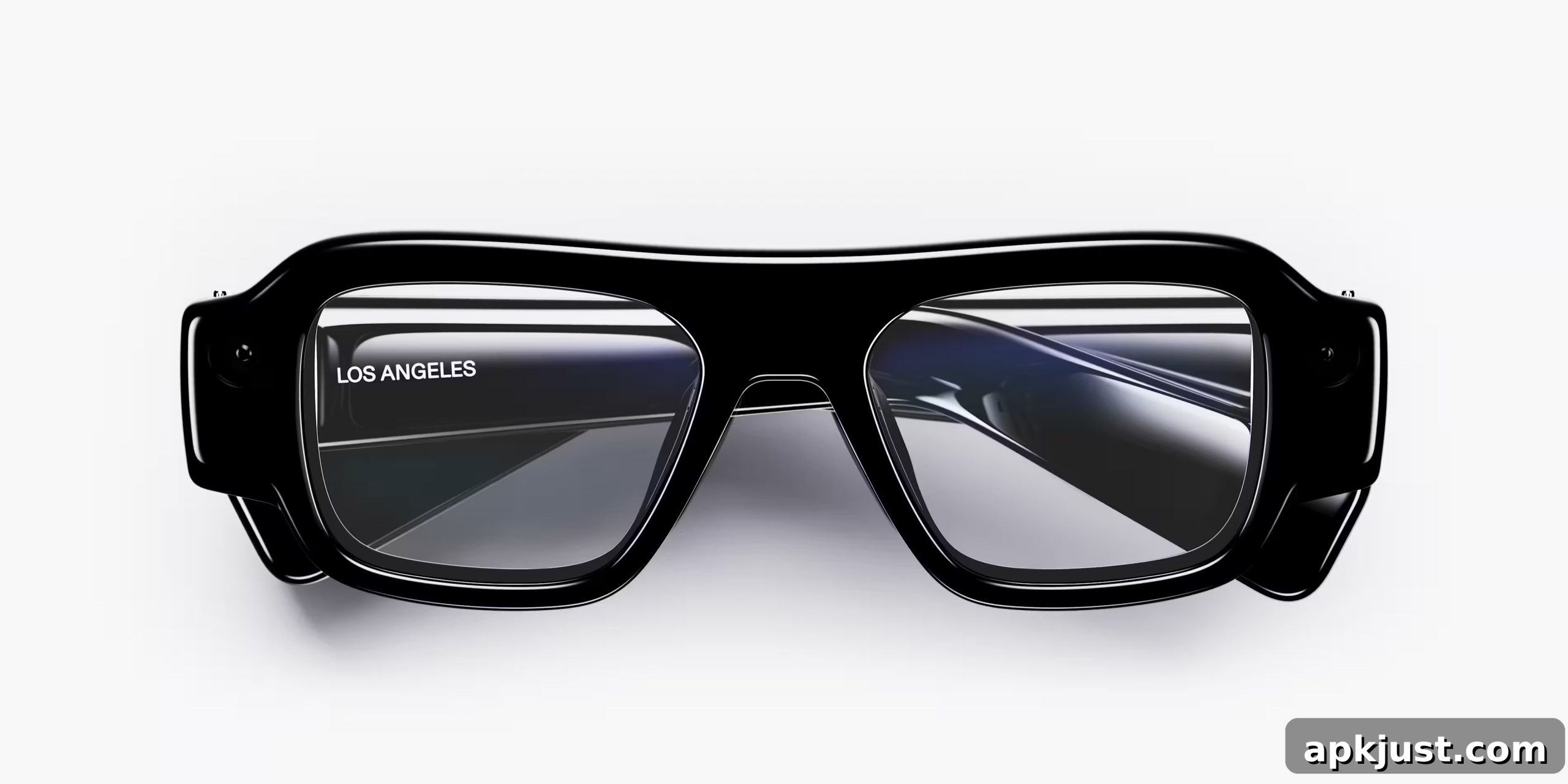
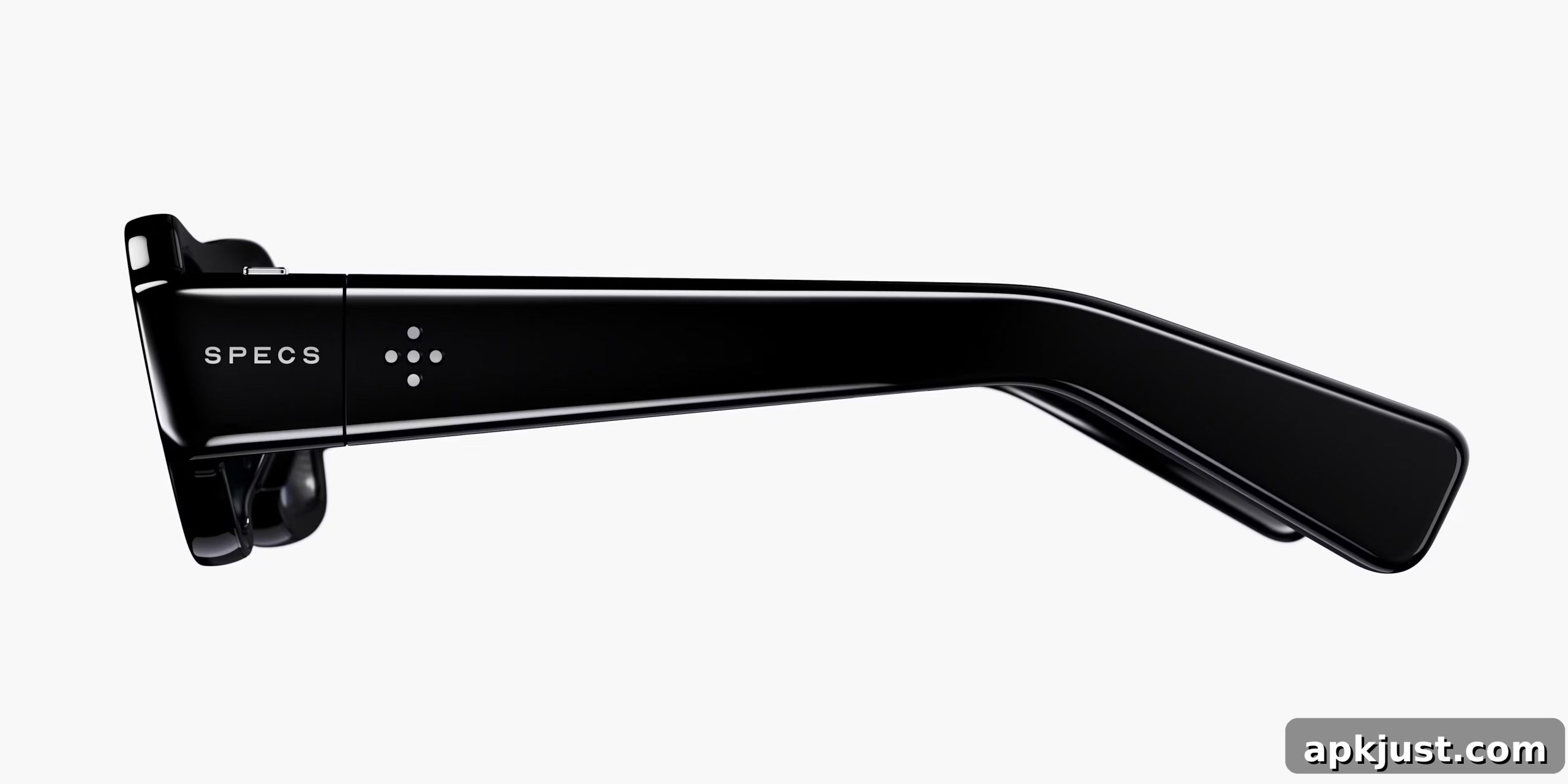
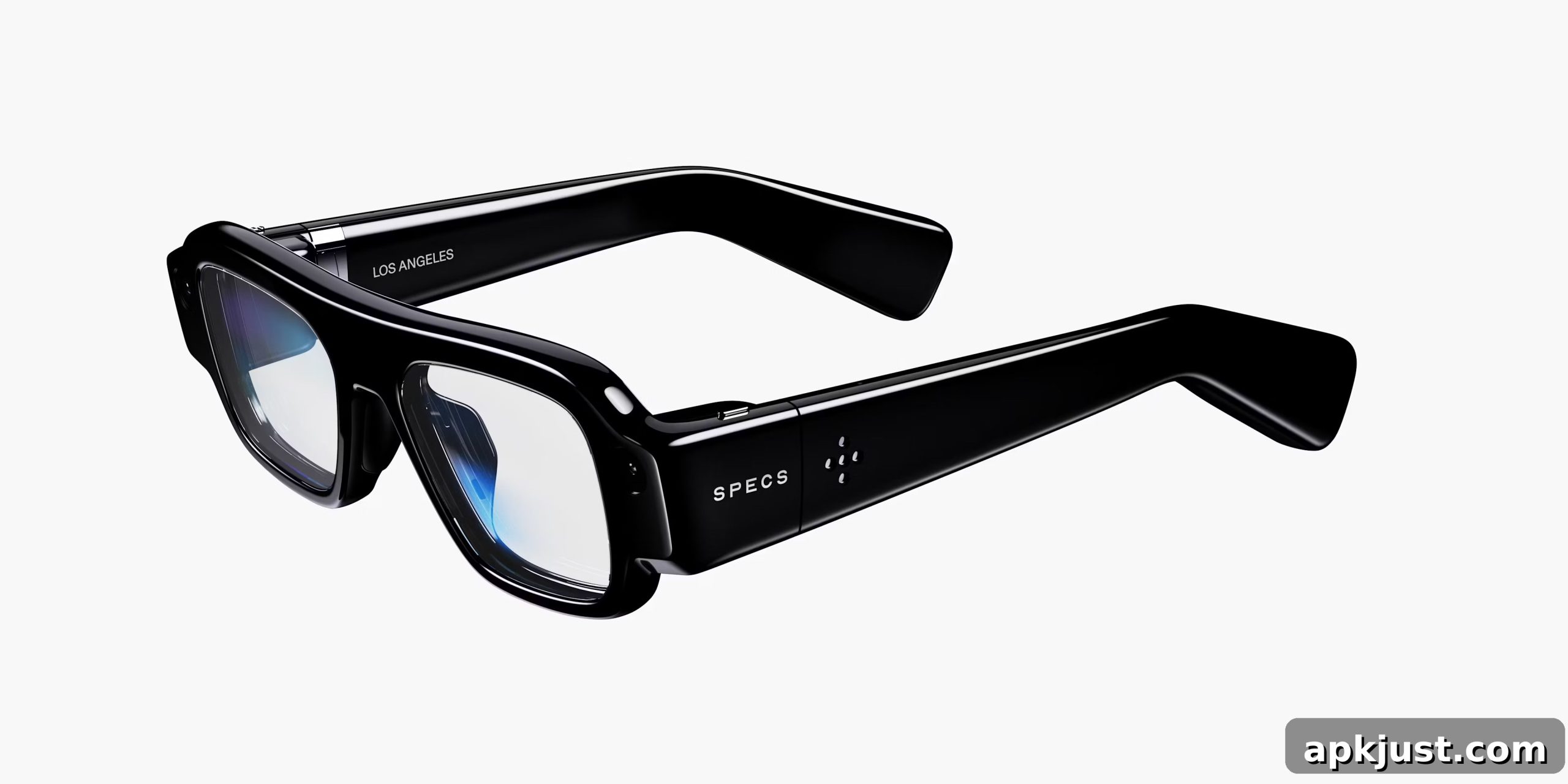
The glasses have a bulky, goggle-like appearance because Snap has placed virtually all core components inside the frames. There’s no external battery pack or separate computing puck: the lenses, display systems, sensors, and processors live inside the glasses themselves. That internal packaging enables a self-contained AR experience but contributes to the larger, heavier form factor.
Under the hood, Specs use a dual-chip architecture powered by Qualcomm processors. That computing power supports spatial awareness, mixed reality rendering, and on-device AI to surface context-aware information. Battery life is limited to about four hours of continuous use, according to Snap. Users can extend active sessions by plugging the glasses in while wearing them.
Snap frames the product as a tool for blending digital content with the physical environment without disrupting presence or attention. The company describes Specs as being “crafted with restraint and powered by intuitive intelligence” to deliver only relevant information at the right times, aiming to help wearers move through their days more seamlessly.
The display offers roughly a 51-degree field of view, large enough for immersive overlays but still constrained compared with natural sight. The glasses also include an integrated camera for capturing the surroundings; an indicator light makes it clear when the camera is active. That combination of sensors and display is central to the AR experience Snap envisions—allowing apps and experiences to anchor digital objects to real-world locations and surfaces.
Snap plans a virtual try-on experience for consumers who want to see how Specs might look and fit before committing to a purchase. The $200 deposit will be applied toward the final $2,195 price for those who pre-order.
Specs target users who want a more immersive, spatially aware AR experience rather than simple heads-up notifications or audio-based wearables. The glasses are positioned as a device for people who want to interact with digital content in shared physical spaces—whether that is navigation, contextual information, creative tools, or new forms of social interaction anchored to location and objects.
That said, the design and price place Specs in a premium category. The larger frame and built-in components make the glasses stand out visually, and potential buyers will have to weigh those aesthetic and ergonomic trade-offs against the capabilities on offer. Battery life and comfort during extended use will likely be important considerations for customers evaluating the product.
For now, availability is limited to selected markets and the initial emphasis is on getting a mature, reliable AR experience into users’ hands. Developers and creators will be key to building compelling content that takes advantage of the glasses’ spatial capabilities, and Snap will likely focus on partnerships and software tools to encourage a healthy ecosystem.
What do you think of Specs and Snap’s approach to AR glasses?
More on Smart Glasses:
- XREAL’s Android XR glasses are set to launch with a lineup of content and reservation options reported this year.
- Qualcomm has announced new chip platforms aimed at simplifying XR and mixed-reality hardware development.
- Major manufacturers are planning Android-based AR and XR glasses with multiple design styles to reach broader audiences.
Follow Ben: Twitter/X, Threads, Bluesky, and Instagram (public accounts mentioned in the original report).