
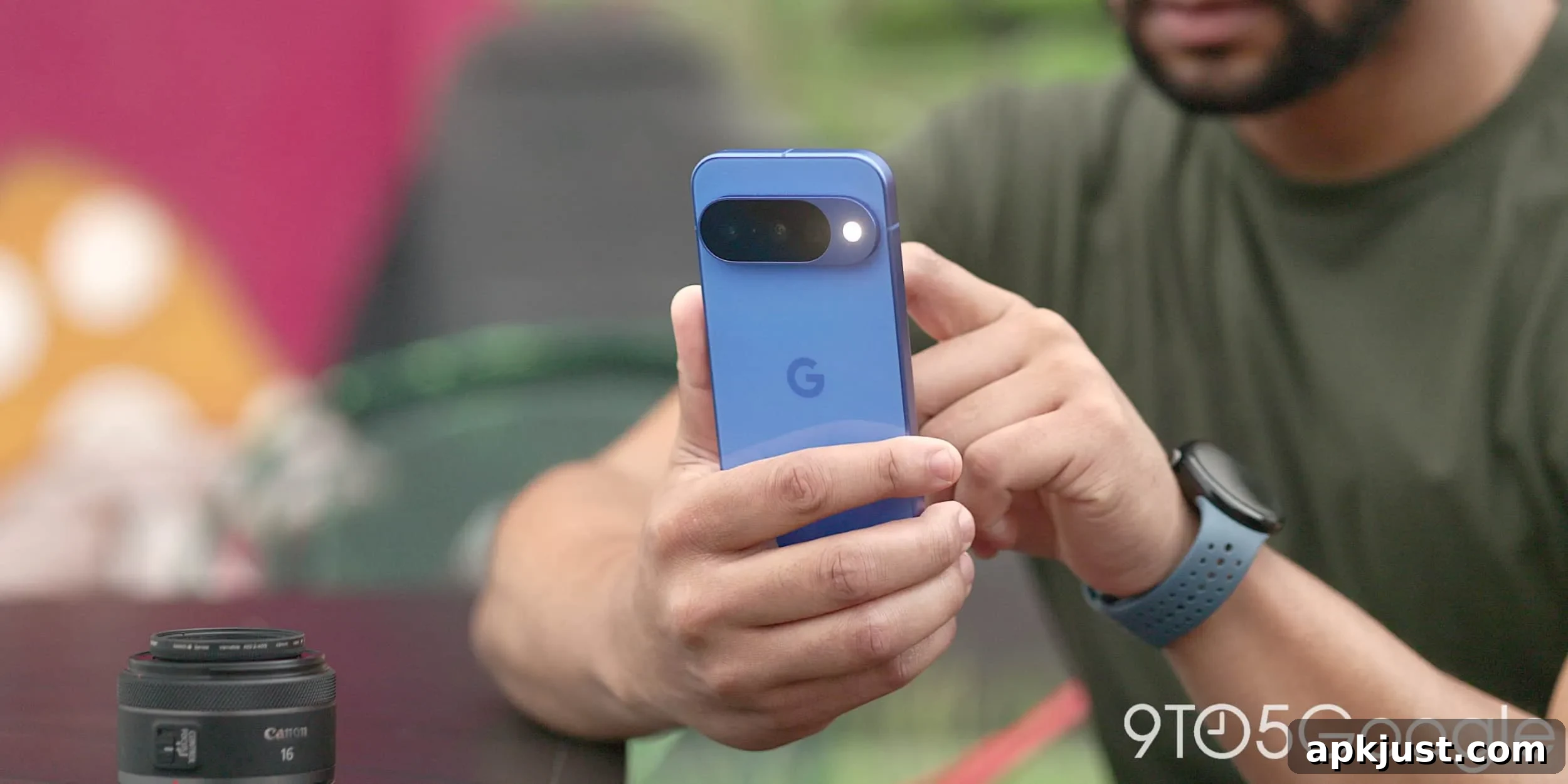
Despite holding only a single-digit market share in most regions, Google’s Pixel line still commands attention in the smartphone market. Why does a relatively small brand continue to figure prominently in conversations about the best phones?
There’s no sugarcoating it: Google’s Pixel lineup hasn’t dominated the way Samsung or Apple have. Samsung is widely seen as the leader among non-Apple smartphone makers in sales, public perception, and breadth of choice. Still, Google has managed to keep the Pixel relevant and often part of the debate when people discuss great phones.
Part of the Pixel’s strength comes from its role as the closest thing to an unmodified Android experience available on mainstream hardware.
The “default” Android experience is still important
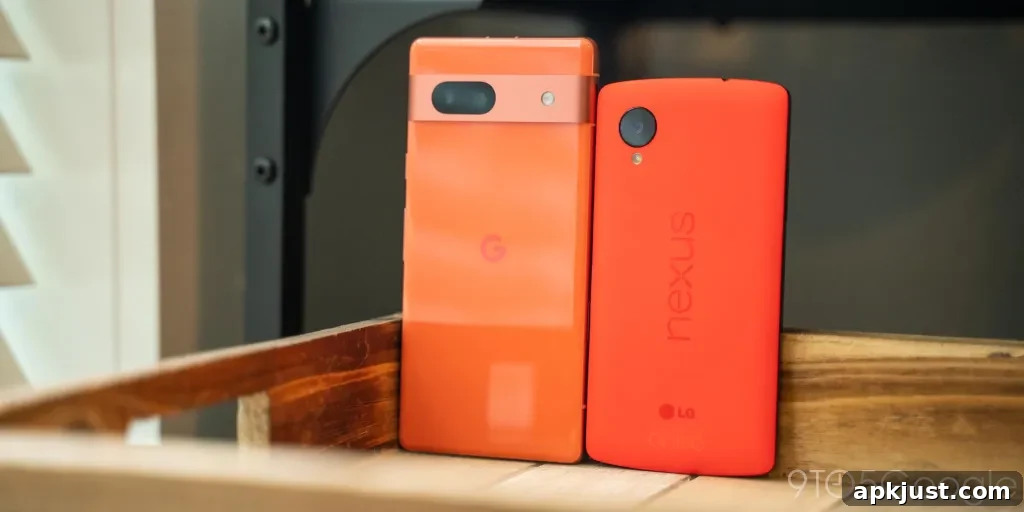
The Nexus program is long gone, but it left a legacy: a phone that shipped with a pure, unskinned version of Android. That legacy lives on in the Pixel series. While Pixel phones aren’t exactly developer phones, they have become the de facto reference for Google’s vision of Android on a consumer device.
A Pixel delivers Android largely as Google intends it: clean, uncluttered, and tightly integrated with Google services. It’s not always the most feature-packed interface compared with heavily skinned alternatives, but millions of users prefer the straightforward, consistent experience Pixel phones provide.
For many, Pixel represents the “true” Android experience: timely updates, direct support from Google, and first access to new features. That perception is a powerful selling point, especially where people worry about delayed or inconsistent software updates from other manufacturers.
Pixel devices have also demonstrated that Android can be polished and dependable. They’ve shown iOS isn’t the only platform capable of delivering a smooth, cohesive mobile experience.
Accolades versus market capture
Despite frequent criticism and occasional hardware missteps, Pixel phones receive steady praise from reviewers and industry awards. That critical acclaim creates interest and credibility even if it hasn’t translated into massive global market share.
Historically, Pixel phones had issues like overheating, poor battery life, and performance problems. Over the years, many of those problems have been addressed. The Tensor family of processors hasn’t matched the highest-performing chips from Qualcomm or MediaTek in raw benchmarks, but for everyday users those differences are less important than a reliable, consistent experience.
Awards and positive reviews can spark curiosity among buyers. When multiple reputable outlets praise a phone, it nudges consumers to consider it alongside established rivals. That healthy buzz has helped Pixel remain relevant even with only a few percent of global smartphone shipments.
As of 2026, Google officially sells Pixel phones in only 33 countries. That limited availability constrains growth, but the willingness to expand that footprint could change adoption quickly. With roughly 1–2% of the global smartphone market, Pixel punches above its weight in conversation, thanks in part to steady improvements and strong marketing.
Minimum viable product
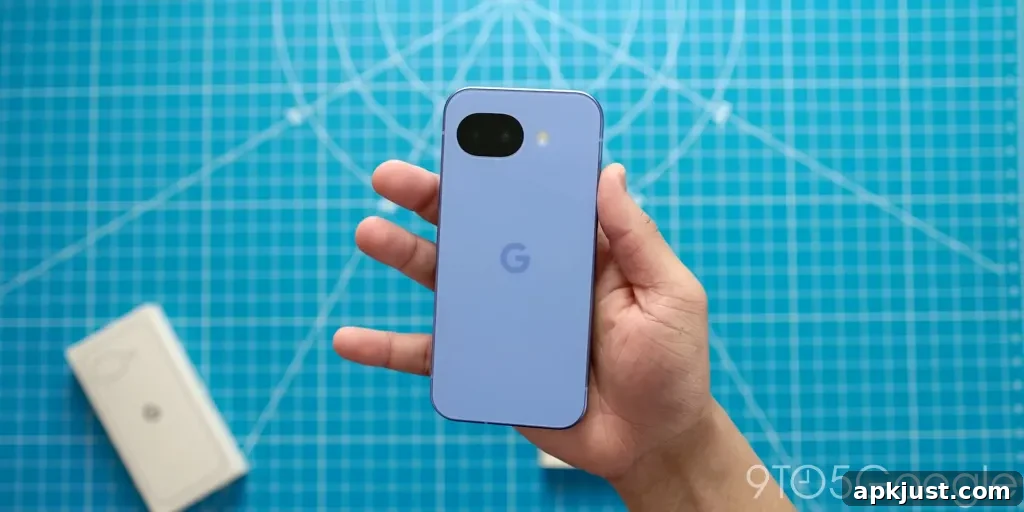
One major change to the Pixel strategy was shifting from third-party chipsets to Google’s in-house Tensor processors. The initial Tensor chip had notable shortcomings—overheating, inefficient power use, throttling, and modem challenges. Improvements over several generations have addressed many of the early issues, though Tensor still lags behind the very top Snapdragon and Dimensity chips in pure performance.
Gaming performance has been a consistent weak point for Tensor chips since their debut. That criticism is valid for those who prioritize high-frame-rate gaming, but most buyers don’t choose a phone solely for gaming. What matters for many users is steady performance across routine tasks, reliable cameras, and long-term software support.
Google has arguably embraced a “minimum viable product” mindset in some areas: prioritize what most users value and ensure those elements are dependable. The Pixel camera is a good example. Even with sensor sizes or specs that don’t always match competitors on paper, Pixel cameras consistently deliver excellent results because of Google’s image processing and software optimization.
That consistent, dependable performance extends across the Pixel range, from more affordable A-series models to flagship Pro devices. Dependability and reliability encourage repeat customers, and that repeat business matters more than flashy specs when a phone is used daily.
Growing despite smartphone fatigue
The broader smartphone market has experienced a slowdown in perceivable innovation. Modern flagships from a few years ago still compete well with the newest models in many practical ways. That environment makes software differentiation, long-term support, and unique features more important than ever.
Google has leaned into AI-driven and lifestyle features that don’t rely solely on raw hardware. Abilities like smarter spam detection, advanced call handling, real-time assistance, and generative AI features provide a different kind of value. These features integrate into daily life subtly, and for many users they are compelling reasons to choose a Pixel.
Longer software support windows and regular updates also make Pixel phones attractive. For users who value security updates and new Android features sooner rather than later, Pixel is a logical choice.
Can we continue to see Pixel growing?
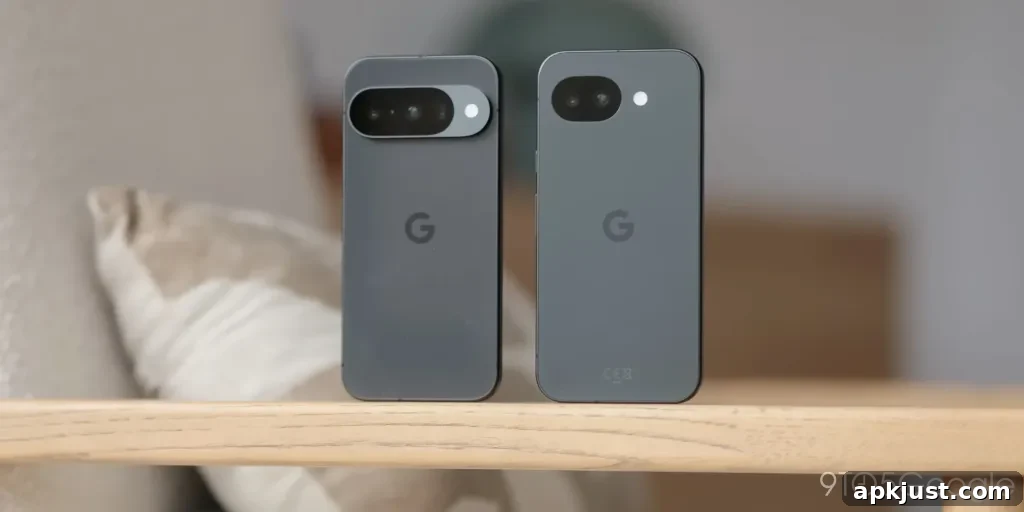
Predicting growth is difficult. Google has invested heavily in marketing to build Pixel awareness, sponsoring major events and running high-profile campaigns. In the U.S., Pixel has targeted both iPhone owners and Samsung users, and the brand has seen steady, if modest, share gains in that market.
Globally, competition is fierce from brands that offer strong value for money. Wider availability would help Pixel expand beyond its existing hubs. If Google increases the number of countries where Pixel sells officially, that alone could raise adoption significantly.
Realistically, Pixel is unlikely to overtake the largest players any time soon, but it occupies a meaningful space at the table. With improved hardware, thoughtful software differentiation, and continued marketing, Pixel can continue to grow steadily and remain an appealing alternative for buyers seeking a clean Android experience and long-term software support.