
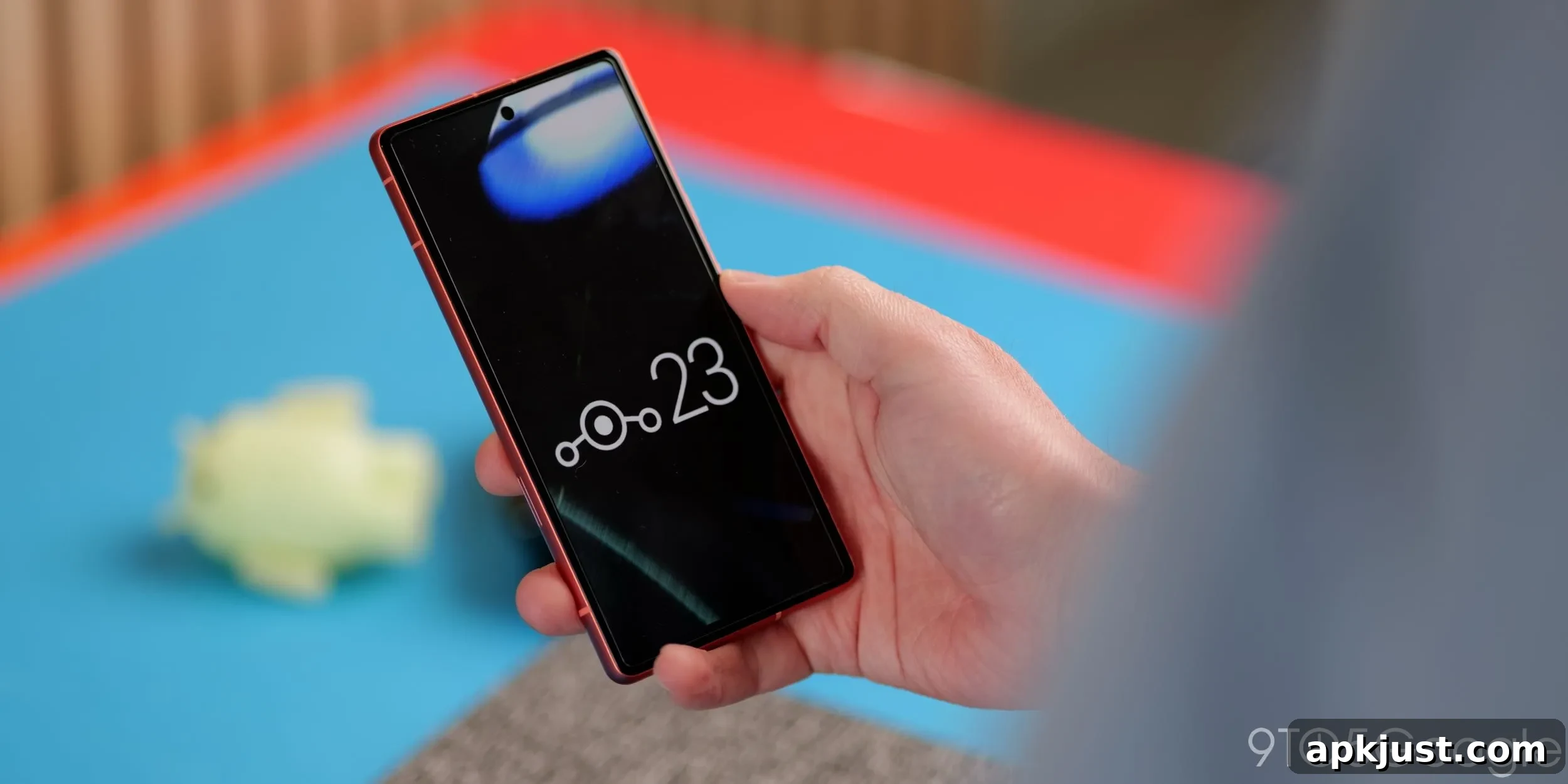
After months of delays and mounting frustration, the full release of LineageOS 23 is finally available. If you’re wondering whether it’s worth flashing in 2026, this article covers everything you need to know about the 23.2 build and how it changes the experience compared with previous Lineage releases and stock Android.
- LineageOS 22 review: Android’s biggest software sustainability project improves again [Video]
We held off discussing LineageOS 23 until the 23.2 build landed. This piece reflects testing on that build and the accompanying video review, so the impressions below refer specifically to the integrated late-2025 code that landed in early 2026.
Table of contents
- No AI, no problem
- Delays due to Google
- Material 3 Expressive overhaul
- The LineageOS app suite
- Should you install LineageOS 23 on your device?
For more video content, subscribe to 9to5Google on YouTube.
No AI, no problem
If you prefer a phone that focuses on the basics rather than built-in AI assistants and cloud-powered features, LineageOS 23 is a compelling option. This release avoids bundling advanced AI services by default, offering a cleaner, more private environment for users who want to avoid constant model updates, data collection, and background server activity.
Google’s Gemini and similar assistants don’t appear unless you choose to add them. That level of choice is one of Lineage’s strongest appeals. Google apps (GApps) remain an optional add-on, and testing with and without them shows little difference in day-to-day function beyond privacy implications. If enhanced privacy and a minimal footprint matter to you, LineageOS delivers that option neatly.
Delays due to Google
LineageOS 23’s rollout was affected by changes at Google. Android’s move to a quarterly AOSP release cadence created knock-on effects for custom ROMs. In response, LineageOS shifted to roughly six-month release cycles to keep in step with AOSP while maintaining stability for supported devices.
Many of the QPR1 features were merged into LineageOS 23, and most are visual or usability-focused. Still, some underlying performance improvements could make older supported phones feel noticeably snappier, extending the useful life of budget or aging devices.
Material 3 Expressive overhaul
One of the most visible upgrades in this release is support for Material 3 Expressive, the more playful visual language Google introduced with Android 16 QPR1. Expect bigger icons, bolder accents, and more color choices—changes that refresh the system UI without altering core functionality.
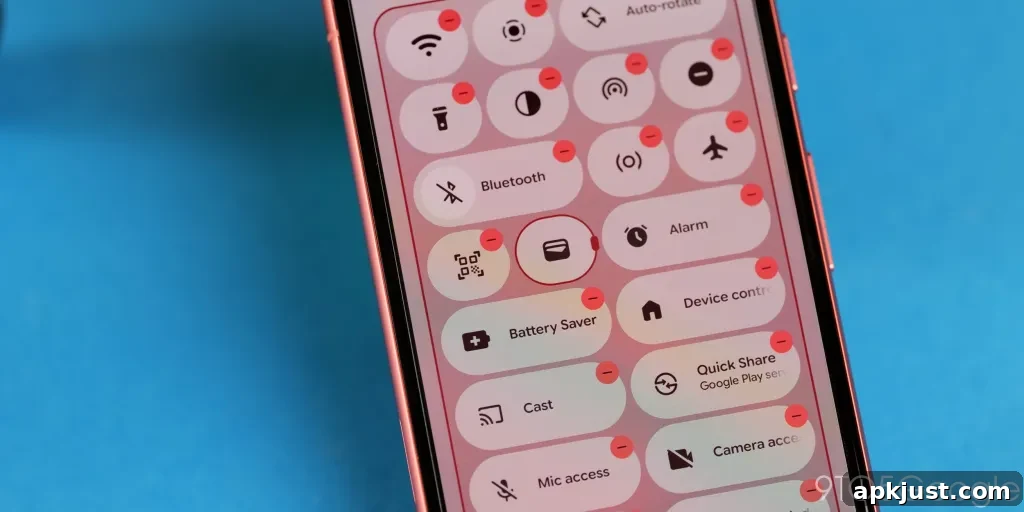
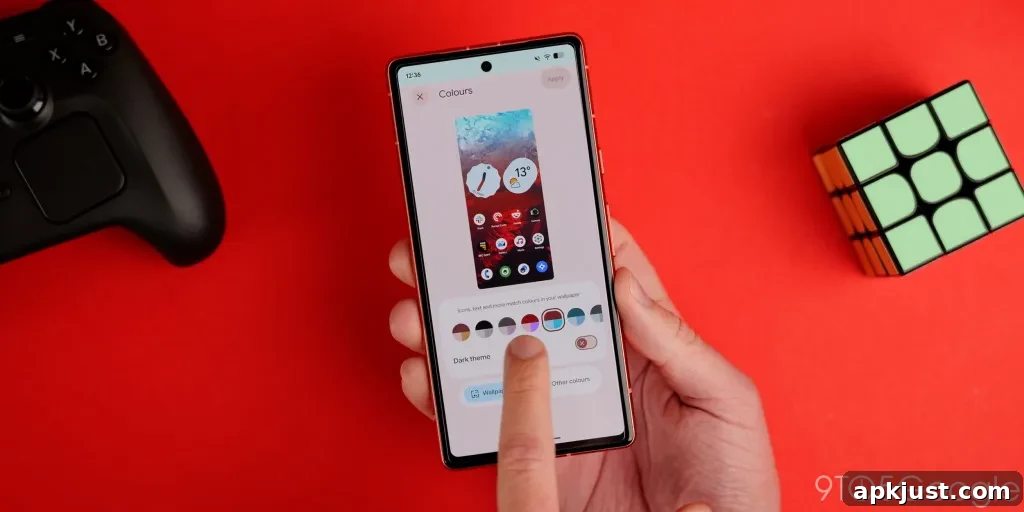
Material 3 Expressive affects interactive elements like Quick Settings and resizable tiles. Resizing tiles from 2×1 to 1×1 is both nostalgic and genuinely useful, and LineageOS packs many extra functions that stock Android lacks. The status bar sees cosmetic refinements, while Dynamic Color theming displays improved tonal mapping based on your wallpaper.
The Expanded Dark theme now forces dark mode in apps that don’t natively support it, and overall animation and menu responsiveness feel more polished. On devices like the Pixel 7a, LineageOS 23 feels surprisingly fluid for a custom ROM, bringing modern visuals to older hardware.
Features that might have seemed risky to include are present and functional. Notification Summaries reappear here as “Notification organizer,” grouping alerts into categories like Promotions, News, Social, and Suggested. Lock screen widgets return in a “Hub mode,” and on some handsets off-screen fingerprint support can be enabled—features that help LineageOS stand out compared to default OEM builds.
The LineageOS app suite
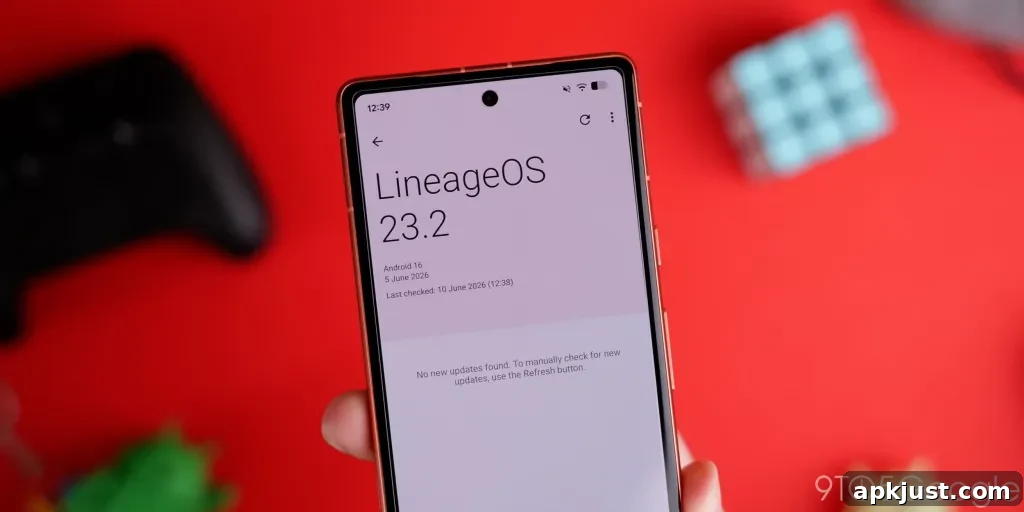
Not all system apps have been fully updated to the new visual style yet, but the team is progressing. An improved Updater app is planned but isn’t fully ready in 23.2; when finished, it should make maintenance and OTA installs friendlier.
Several default apps already show Material 3 Expressive touches. The Twelve music player benefits from larger controls, richer Dynamic Color integration, and new features such as “Play random songs,” playback statistics, and MIDI playback support. The Calculator and Clock apps received minor UI tweaks, mostly typographic and animation-related, though some small layout glitches remain in this release.
Aperture, LineageOS’s camera app, hasn’t dramatically changed visually but adds practical capabilities: Ultra HDR, RAW capture, and simultaneous RAW+JPEG shooting are now supported. These additions make the built-in camera suite more capable for photography enthusiasts who prefer a non-Google stack.
Overall, LineageOS’s default apps are a promising showcase for Material 3 Expressive. While many third-party developers have yet to adopt the design language, LineageOS is moving ahead and offering a cohesive, modern-looking system without pushing users toward cloud-based AI features.
Should you install LineageOS 23 on your device?
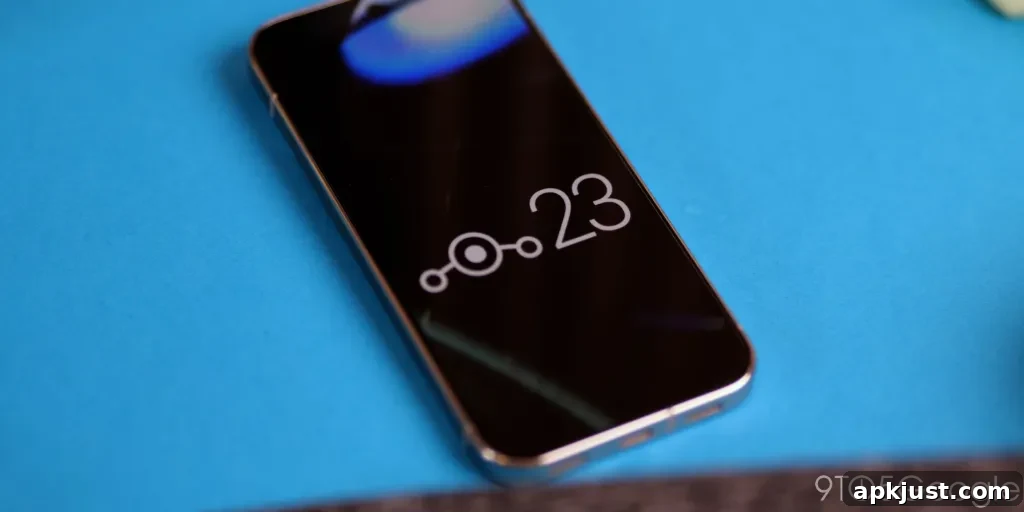
If you want a straightforward phone that prioritizes privacy, performance, and a clean experience—without baked-in AI—LineageOS 23 is worth considering. Custom ROMs have long been a great way to extend the life of hardware, and this release reinforces that value with improved polish, modern visuals, and useful features that OEMs sometimes omit.
LineageOS is likely to offer faster security updates and longer support for many devices than some manufacturers do. In an era when some phones receive minimal official upgrades, installing a well-maintained ROM can be a smart move, especially for budget phones or users who prefer control over convenience-driven features.
I’m glad I waited for the fuller 23.2 build. While Google’s slower AOSP cadence has introduced delays, the extra time appears to have allowed Lineage to deliver a more cohesive, recommendable ROM. Expect continued refinement in the months ahead as more apps and system components adopt Material 3 Expressive and the team finishes remaining work on the updater and app suite.
To explore supported devices and get started with LineageOS 23 and 23.2, see the official device list on the LineageOS wiki.