
Google unveiled its new Gemini Intelligence initiative this week, and the requirements for Android devices to support these advanced features are surprisingly strict. The technical bar is high enough that some recent flagship phones, including the Pixel 9 series and Samsung’s Galaxy Z Fold7, currently fall short because of one key specification.
So what is Gemini Intelligence?
In short, Gemini Intelligence is an umbrella brand for Google’s most advanced on-device AI capabilities on premium Android hardware. The announcement highlighted a range of enhancements, including smarter autofill, an improved voice-to-text experience in Gboard called “Rambler,” and a feature that can generate customizable home screen widgets. These features are aimed at delivering deeper, faster AI experiences that run efficiently on-device while preserving user privacy and responsiveness.
- Key announced features include enhanced autofill, Gboard’s “Rambler” voice typing, and AI-generated widgets for the home screen.
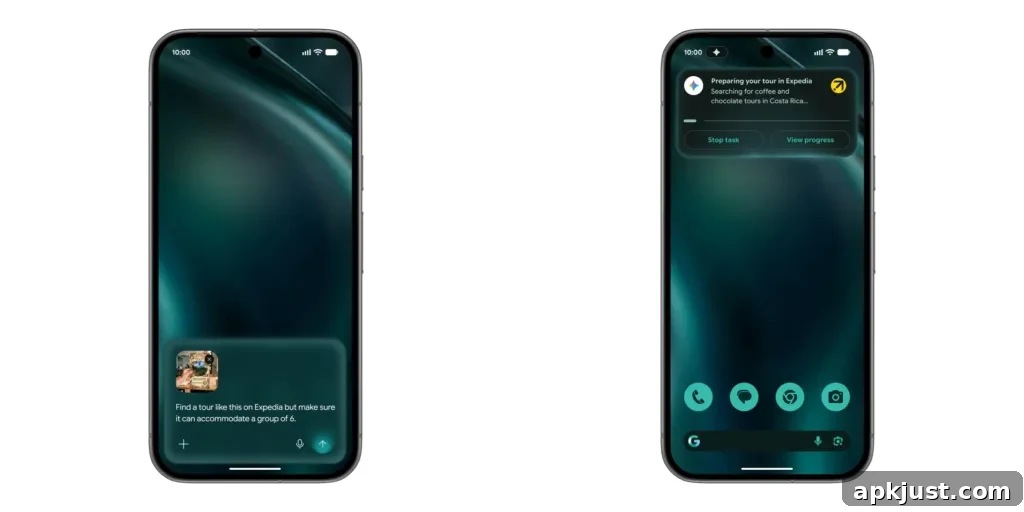
The term “premium” is not an exaggeration: Google has set demanding hardware and software standards for devices to qualify for the Gemini Intelligence label.
According to Google’s technical notes, eligible devices must meet several minimum requirements: a flagship-class chipset, at least 12GB of RAM, support for AI Core, and compatibility with Gemini Nano v3 or later. In addition, qualifying devices are expected to receive a minimum of five major Android OS upgrades and six years of security updates (delivered at least quarterly). Google also requires devices to meet certain reliability and quality metrics, such as low crash rates and other performance indicators.
The requirement for Gemini Nano v3 support is a key factor that determines which existing devices can run Gemini Intelligence. A developer compatibility list shows that most devices confirmed to support Nano v3 are recent 2026 releases, along with the Pixel 10 series. Many older flagships, including the Pixel 9 family and Samsung’s Galaxy Z Fold7, are currently listed as supporting Nano v2, which means they do not meet the Nano v3 requirement today.
Devices listed with Gemini Nano v3
- Google: Pixel 10 series and Pixel 10 Pro Fold
- Honor: Magic 8 Pro
- iQOO: iQOO 15
- Motorola: Signature model
- OnePlus: OnePlus 15 and OnePlus 15R
- OPPO: Find X9 family, Find X8 family, and several Reno 14/15 Pro variants
- Realme: realme GT 7T
- Samsung: Galaxy S26 lineup
- Vivo: vivo X200/X300 series
Devices listed with Gemini Nano v2
- Google: Pixel 9 series and Pixel 9 Pro Fold
- Honor: Magic V5 and Magic 7 series
- iQOO: iQOO 13
- Motorola: Razr 60 Ultra and Razr Ultra 2025
- OnePlus: OnePlus 13 and 13s
- OPPO: Find N5
- POCO: several recent F and X series models
- Realme: realme GT 7 Pro
- Samsung: Galaxy Z Fold7 and Galaxy Z TriFold
- Vivo: select X200 and T4 Ultra variants
- Xiaomi: multiple 14T/15/17 series models and a Pad Mini
It’s important to note that this compatibility list is specific to the Gemini Nano Prompt API rather than the underlying Gemini models themselves. That distinction means the presence of Nano v2 on a device today does not categorically rule out future support, since software updates or new firmware could potentially add compatibility. Google has not clarified how frequently devices can be re-evaluated for Gemini Intelligence eligibility or whether older flagships will receive upgrades to reach Nano v3 compatibility.
Another notable barrier is the 12GB RAM minimum. Industry rumors about the next generation of Pixel phones have suggested some models might ship with lower RAM configurations. If those rumors are accurate, certain Pixel variants could fall below the stated threshold and therefore be ineligible for Gemini Intelligence as announced.
Google confirmed that Gemini Intelligence features will begin rolling out on Pixel and Samsung Galaxy devices later this year, with some reports indicating specific Galaxy devices may be among the first to receive the new capabilities. However, broader availability will depend on OEM cooperation, device firmware updates, and whether manufacturers can meet Google’s performance and update commitments.
More on Gemini:
- DeepMind’s new tools and pointer features are expected to integrate with Gemini for richer in-browser and assistant experiences.
- Android Auto will gain expanded video and music features alongside Gemini-powered improvements.
- Chrome for Android is slated to receive deeper Gemini integration, including enhanced browsing and summarization tools.
Follow Ben: Twitter/X, Threads, Bluesky, and Instagram (profiles listed without links)