
Like last year, Google has released many of its Android announcements a week before I/O 2026. At The Android Show, the company revealed several major updates across devices and software, focused on bringing advanced AI capabilities, refreshed designs, and new hardware concepts to users.
Gemini Intelligence
Gemini Intelligence is Google’s label for the most advanced AI features coming to a range of Android devices, including phones, watches, cars, glasses, and laptops. These capabilities combine premium hardware with intelligent software to proactively assist users while emphasizing privacy and user control.
It integrates premium hardware and innovative software to help you stay a step ahead by working proactively to get things done throughout your day — all while keeping your data private, and keeping you in control.
The first set of Gemini Intelligence features will roll out to the latest Google Pixel and Samsung Galaxy devices this summer. A consistent interface built on Material 3 Expressive will unify the experience across supported devices.
Task automation is being expanded to work in more apps and to use on-screen and image context. For example, you could select a long grocery list in a notes app and ask Gemini to build a shopping cart with those items for delivery, saving manual copying and pasting.
Chrome for Android will gain deeper Gemini integration, allowing you to ask questions and perform tasks using webpages as context. An Auto Browse feature that mirrors desktop browser actions on mobile is expected to arrive in late June.
Autofill with Google will offer an opt-in Gemini Personal Intelligence option to better handle a wider range of form types in Chrome and other apps. Gboard Rambler will enhance voice input using Gemini models that capture the core of what you want to type while filtering out filler words, pauses, and self-corrections.
Android will also introduce generative UI elements. Initially this will enable the creation of custom homescreen widgets and Wear OS Tiles populated with information pulled from the web and your Google apps, allowing for more personalized and dynamic surfaces on your devices.
Googlebooks
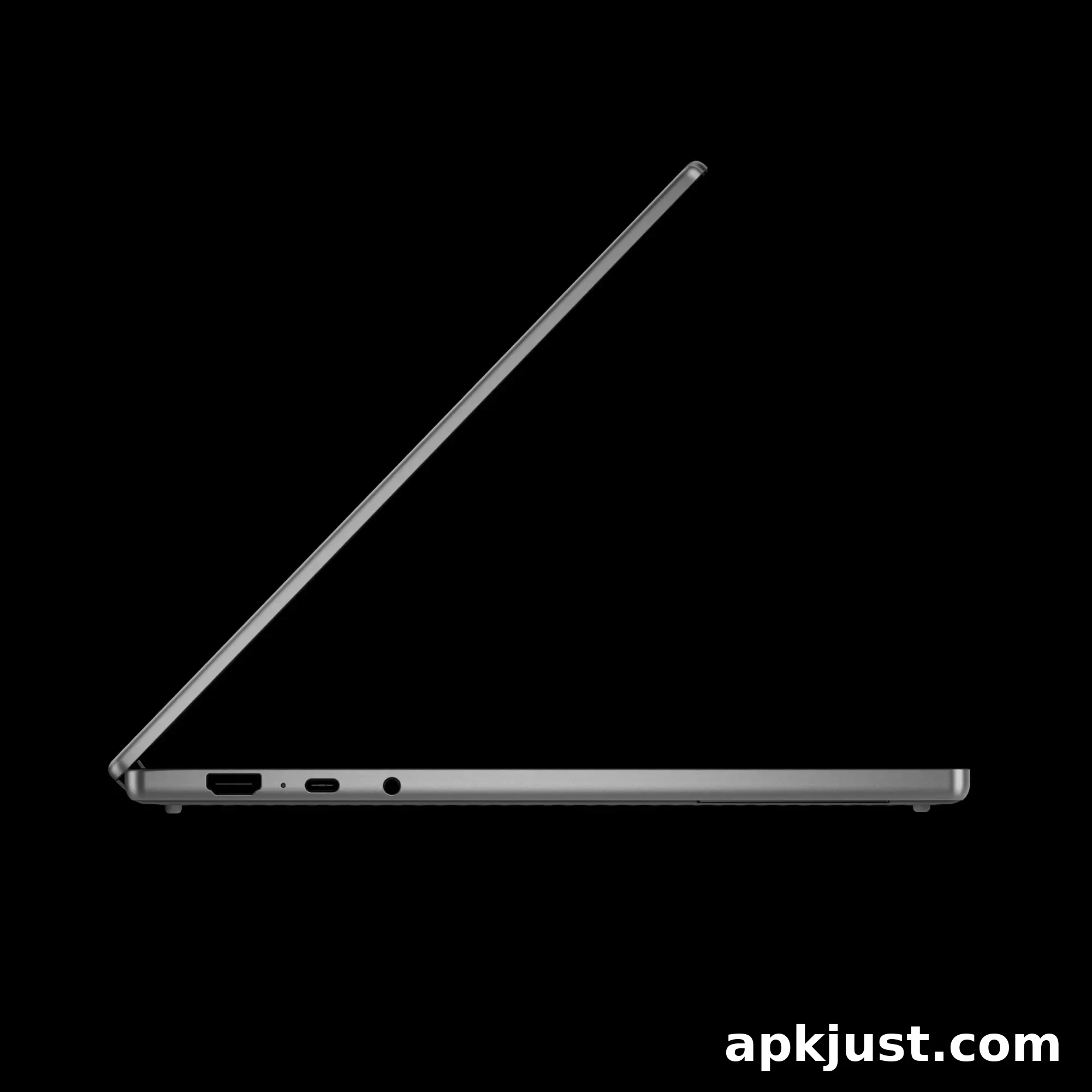
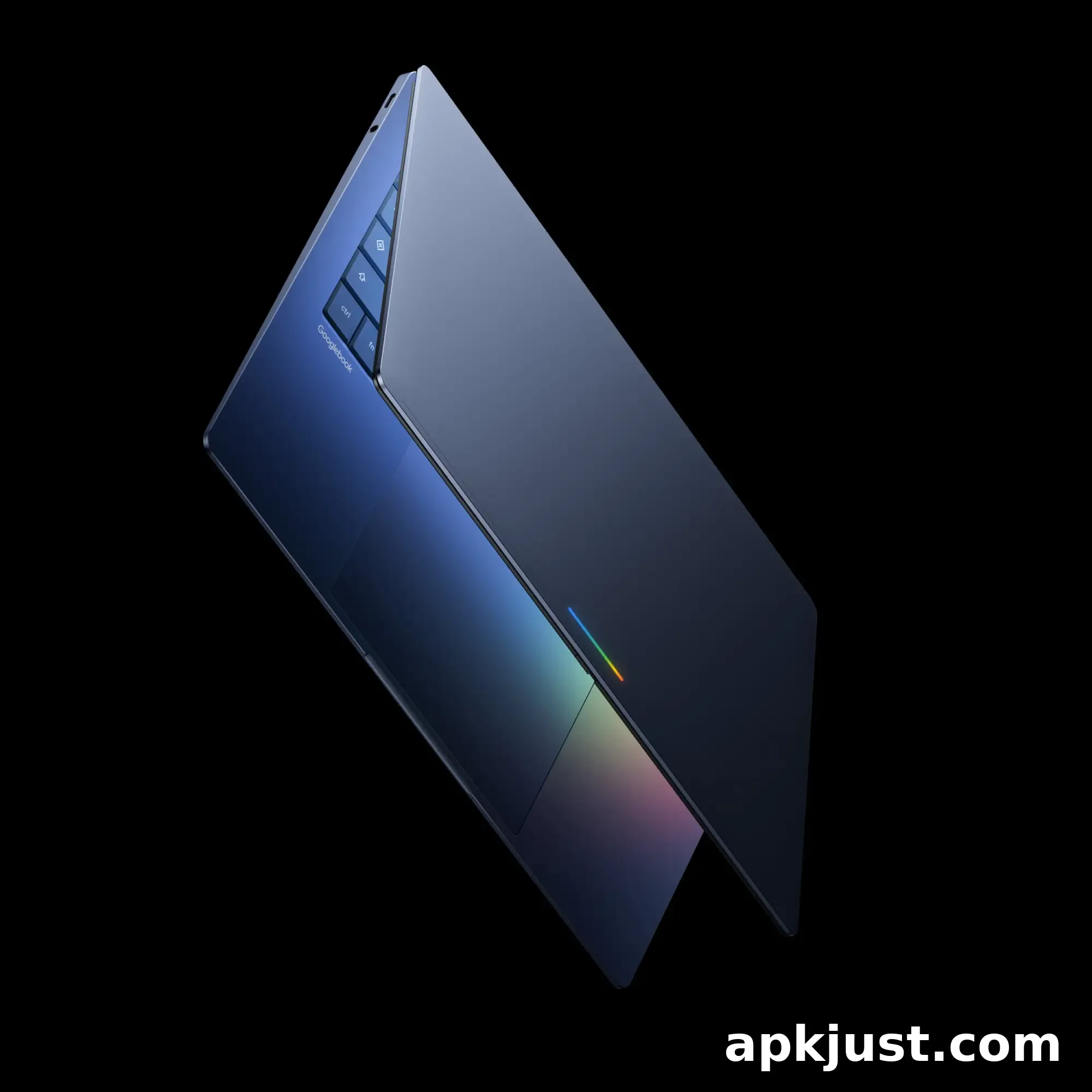
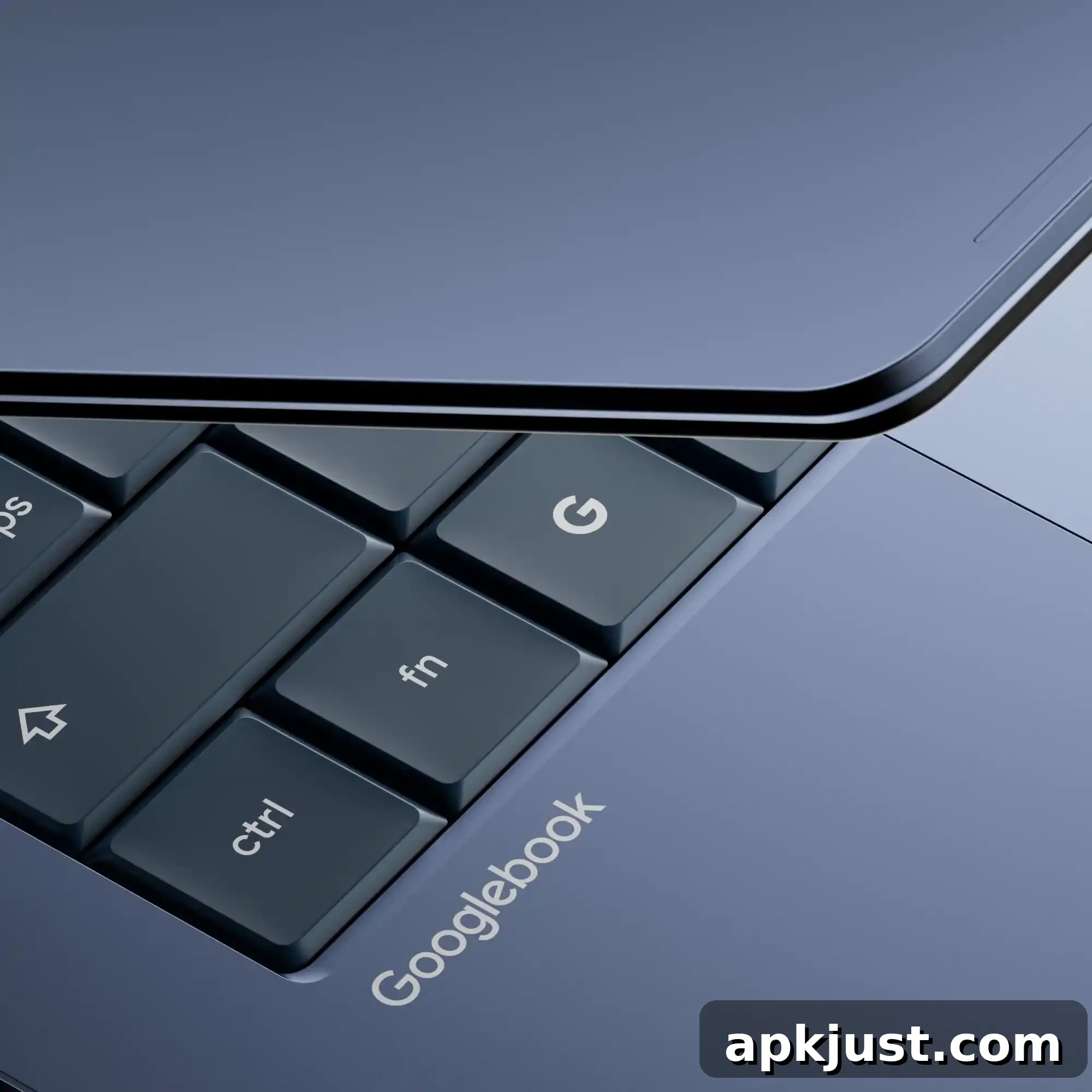
Googlebook is the name for a new category of devices that rethinks the laptop with Gemini Intelligence at its heart. The announcement provided a preview of features and design direction; the first Googlebooks are planned for release this fall.
AI-driven tools like “Magic Pointer” were highlighted, letting you quickly query Gemini and act on content shown on the screen. The Create Your Widget feature will be available on the desktop, so you can place dynamic, AI-populated objects on your workspace.
Googlebooks will integrate closely with Android phones, allowing you to cast mobile apps to the larger display and access a Quick Access file browser to view and manage phone files from the laptop. Google shared that Acer, Asus, Dell, HP, and Lenovo will be among the first hardware partners. The devices are described as premium builds and will feature a distinctive “glowbar” design accent.
Android 17
Android 17 focuses on creative tools and smoother cross-platform workflows. Several features and app updates were announced with creators and productivity in mind.
Screen Reactions will let you record yourself and your screen simultaneously, a feature that is coming to Pixel devices this summer.
Instagram for Android will receive a number of improvements, including an optimized tablet interface, Ultra HDR capture and playback, built-in video stabilization, Night Sight integrations, and an improved capture-to-upload pipeline to preserve photo and video quality.
Instagram’s Edits app will add Smart Enhance to upscale photos and videos using on-device AI. A new sound separation tool will isolate audio elements like wind, background noise, and music for clearer editing.
Adobe Premiere will be available on Android this summer, bringing a more capable mobile video editing option to creators on the platform.
Quick Share is expanding its compatibility. AirDrop-style sharing will be supported across Samsung, Oppo, OnePlus, Vivo, Xiaomi, and Honor devices before the end of the year. In the meantime, Quick Share can generate a QR code to share items with iOS devices via the cloud. The feature will also become available to third-party apps such as WhatsApp.
Google is also improving the iOS-to-Android transfer process, enabling wireless migration of passwords, photos, messages, apps, contacts, homescreen layout, and eSIM data. This improved flow will arrive first on Galaxy and Pixel phones this summer.
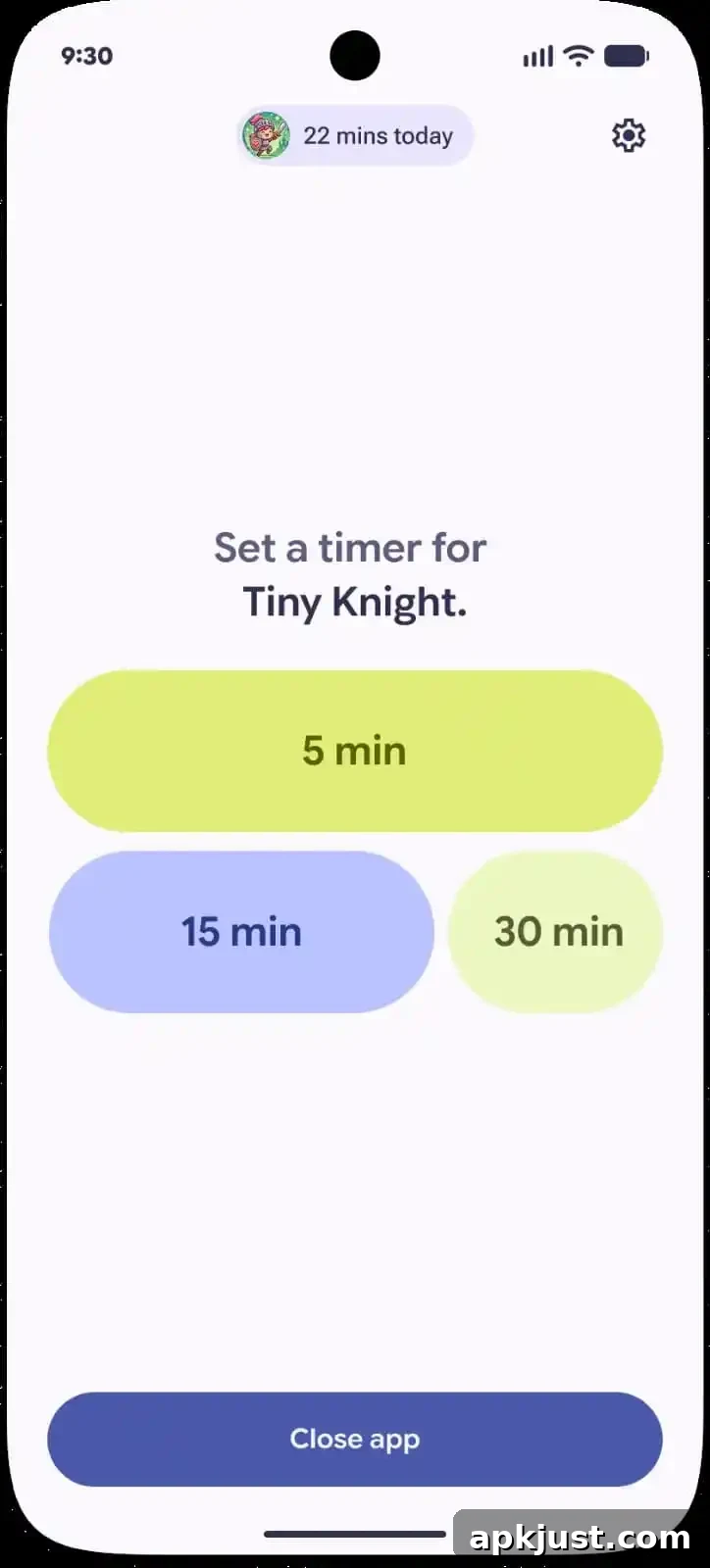
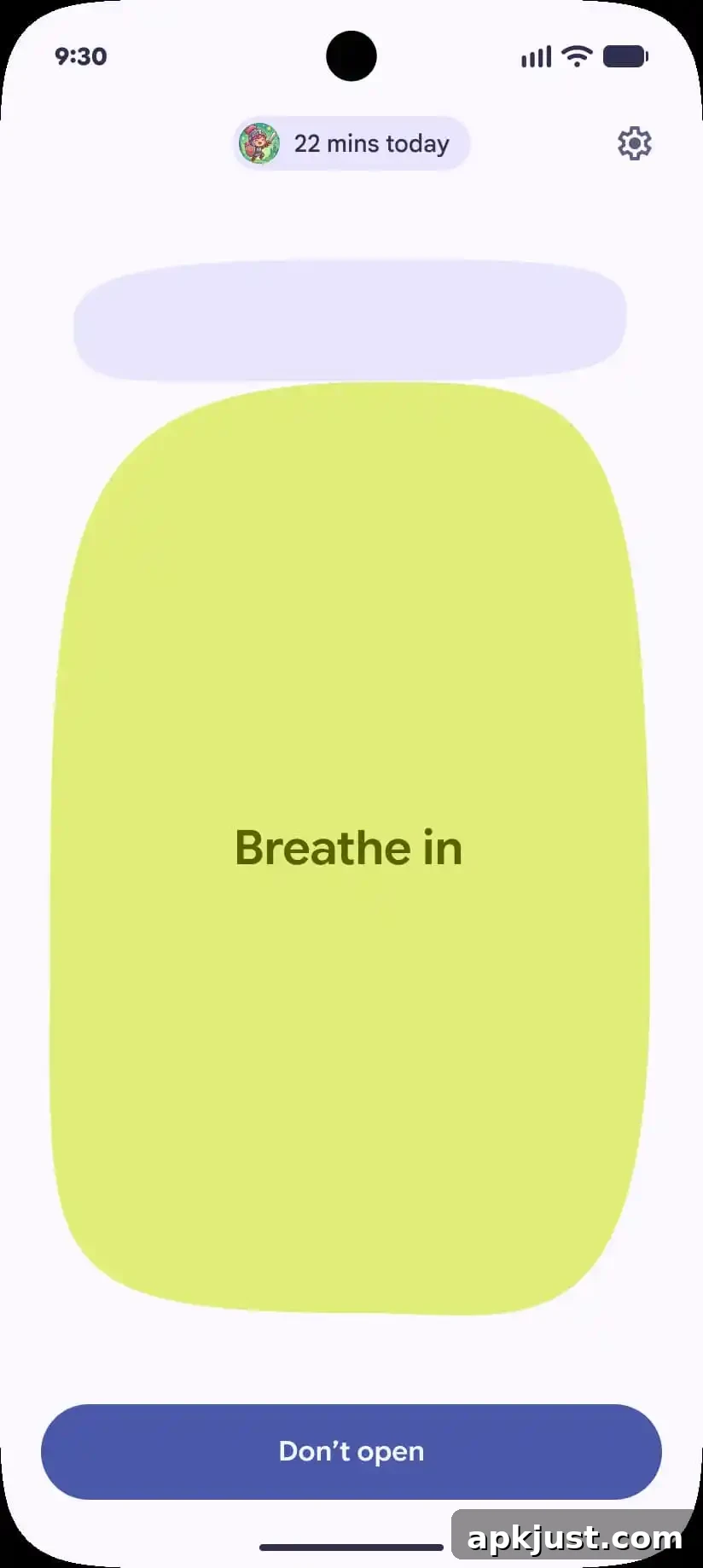
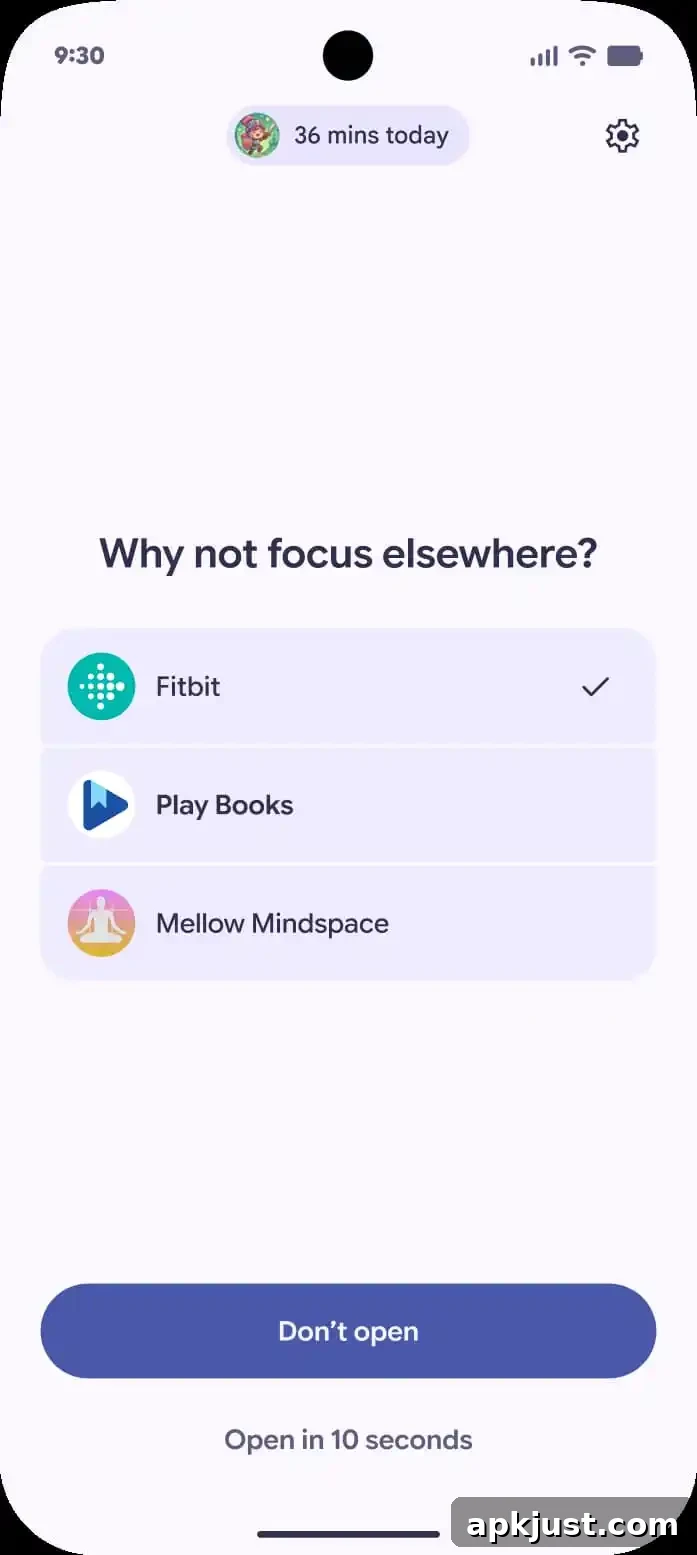
Digital Wellbeing is receiving a new feature called Pause Point, designed as a middle ground between a snoozable app timer and a complete lockout.
App timers can be easy to snooze, and total lockouts aren’t always practical. Sometimes you need something in the middle that encourages app use with clear intention.
Pause Point presents a 10-second pause that asks “Why am I here?” During the pause you can follow a short breathing exercise, set a timer, view a few favorite photos, or choose alternative activities like an audiobook to gently refocus your attention.
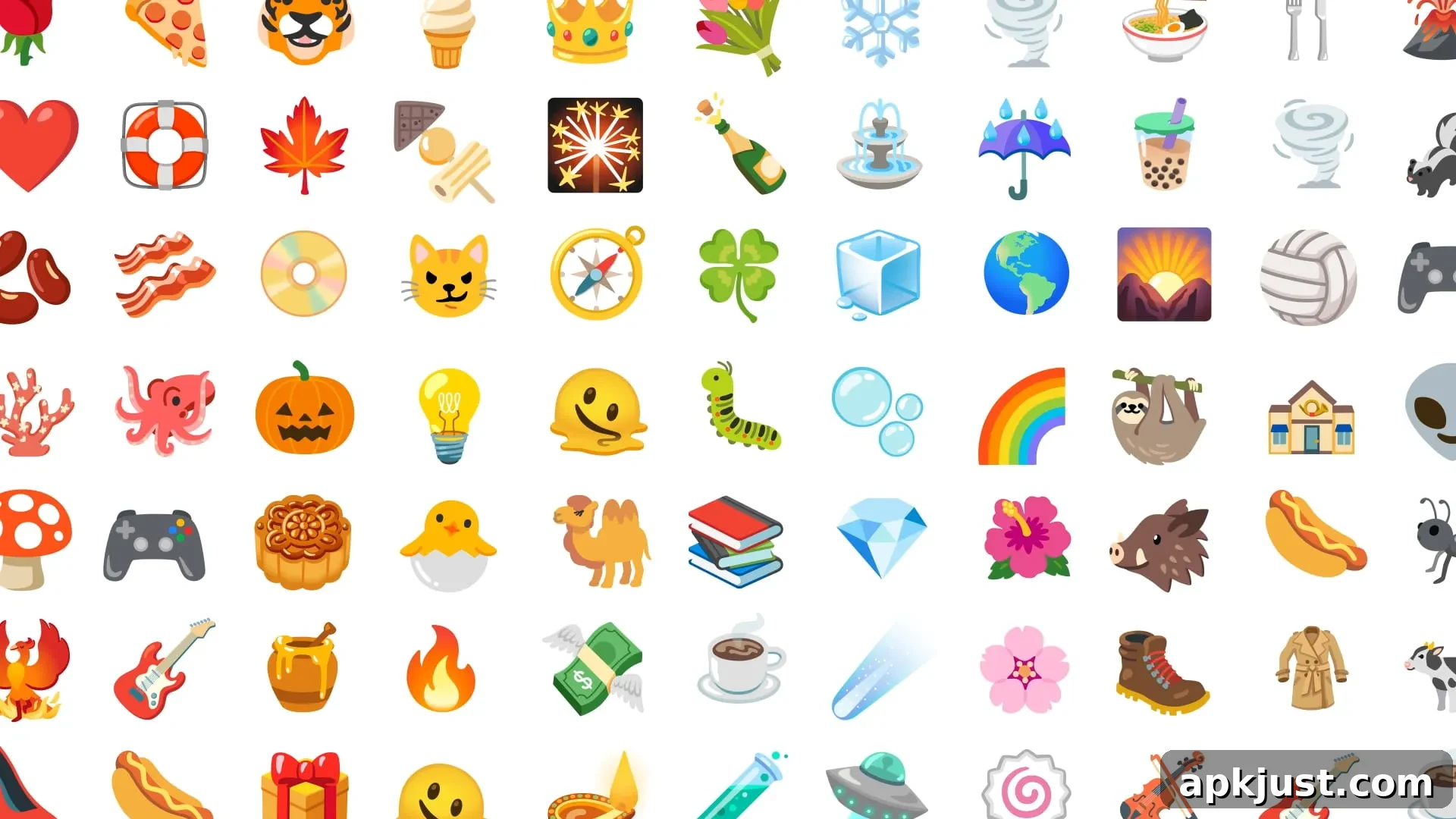
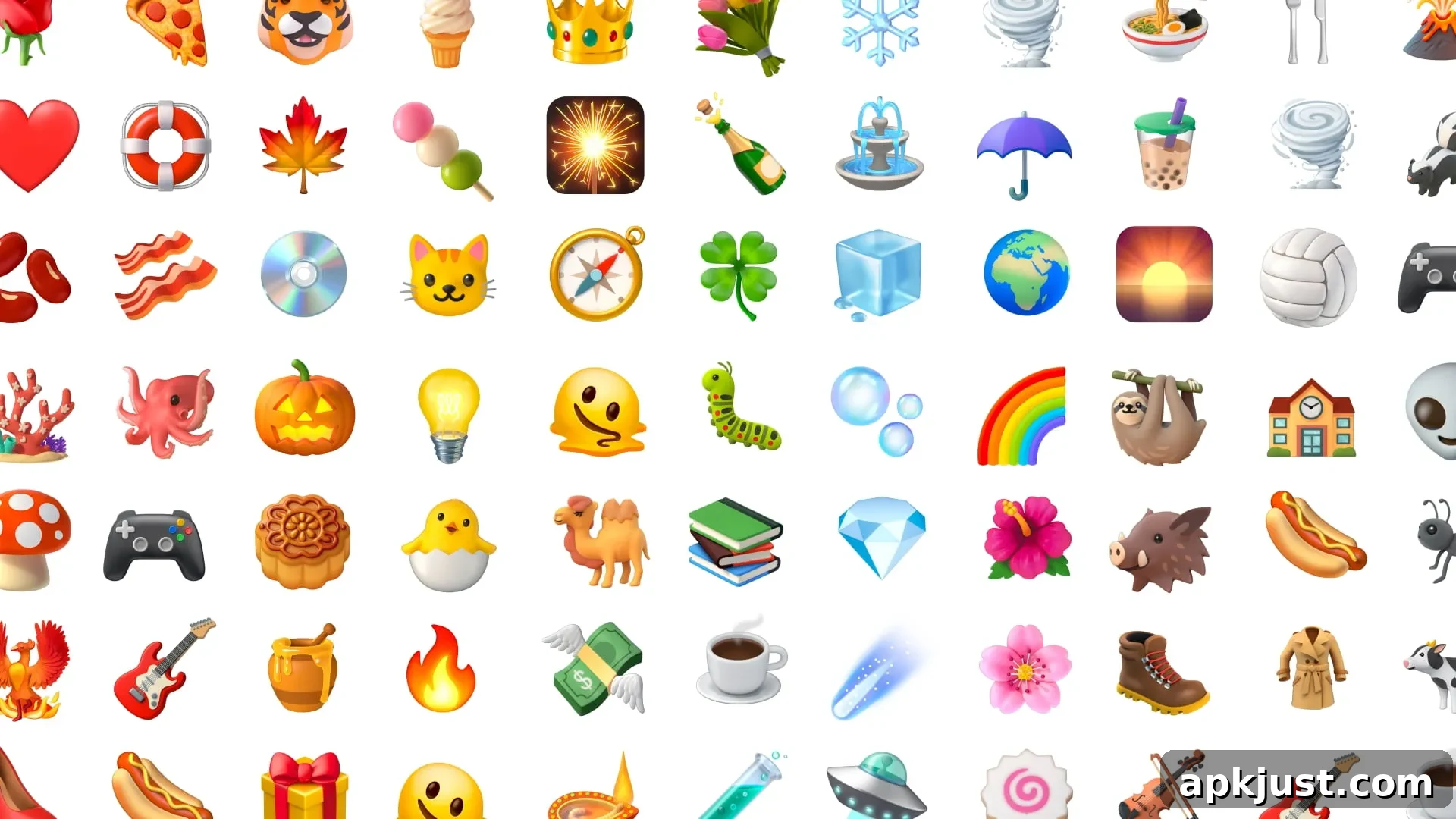
A visual refresh for system emoji, called Noto 3D, was also announced. These three-dimensional emoji are intended to add a sense of presence and physicality to messages. Google plans to roll Noto 3D out across its services, starting with Pixel phones later this year.
These 3D emoji bring a touch of physicality to these moments and help you overcome this digital divide. It’s the difference between a message received and a presence felt. Available across Google, starting with Pixel phones later this year.
Old vs. new
Android Auto
Android Auto is receiving a Material 3 Expressive redesign with updated fonts, smoother animations, new wallpapers, and support for widgets. A redesigned Google Maps Immersive Navigation provides a more edge-to-edge mapping experience optimized for in-car displays.
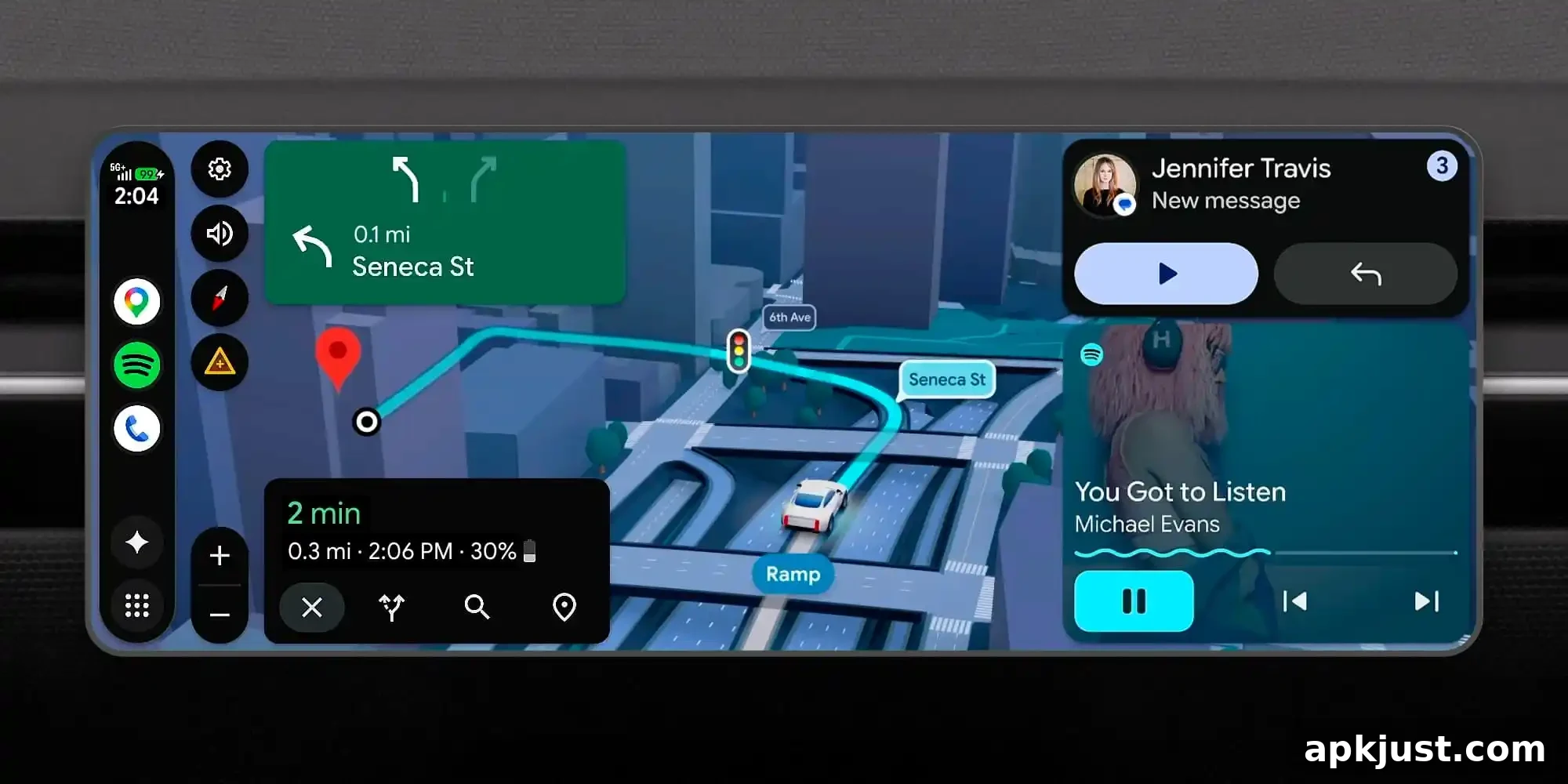
Several automakers will benefit from improved media and video support. Selected car models from BMW, Ford, Genesis, Hyundai, Kia, Mahindra, Mercedes-Benz, Renault, Škoda, Tata, and Volvo will support full HD video at 60 FPS. Videos in supported apps will transition safely to audio-only mode when background playback is needed.
Many of the same vehicle brands—BMW, Genesis, Mahindra, Mercedes-Benz, Renault, Škoda, Tata, and Volvo—will also receive spatial sound support with Dolby Atmos where the hardware permits.
Media apps such as YouTube Music and Spotify will get a visual navigation refresh to match the updated Automotive UI. Gemini Intelligence features available on supported phones will be accessible through Android Auto later this year, including quick AI-generated replies and app automation for tasks like ordering food. Cars running Android Automotive (Google built-in) will receive these updates as well.