Google began hinting at a new Fitbit wearable, called the Fitbit Air, in late March. The device appears to be a screen-less fitness band and reports now indicate it will be officially unveiled tomorrow.
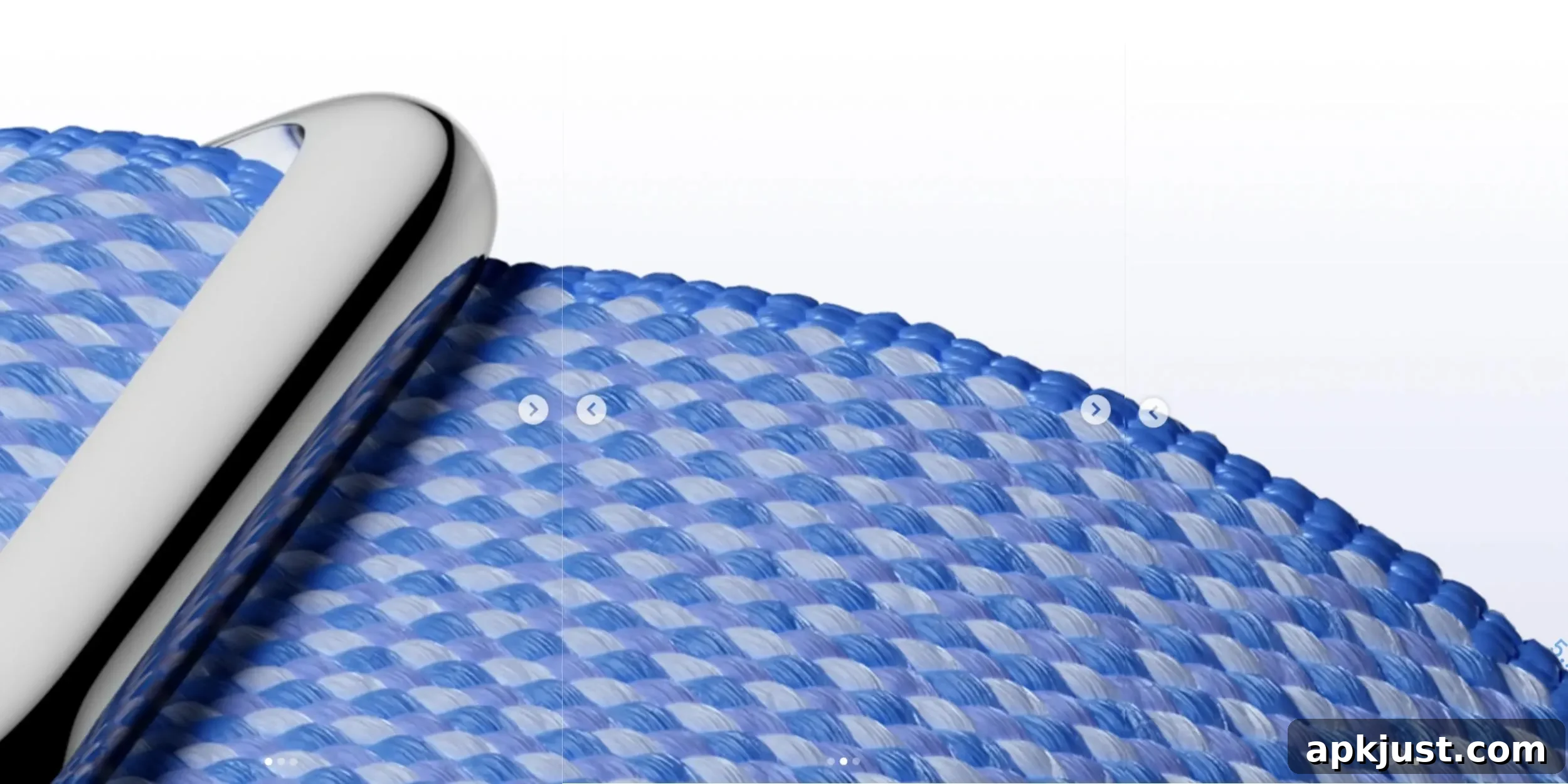
Yesterday, Fitbit updated its Instagram presence with a minimalist teaser post and directed followers to the company’s Google-affiliated account. The teaser image spread showed a close-up of a metal buckle and a pale blue strap, a color and texture that call to mind the woven band available for the Pixel Watch.
The Instagram caption read simply: “Buckle up. 5.7.26.” That short tease, paired with the product styling, strongly suggests a small, fashion-conscious wearable intended for everyday, active use rather than a full smartwatch with a display.
Earlier reporting identified the “Fitbit Air” name and also uncovered related software and subscription moves from Google: a branded “Google Health” app experience plus a new “Premium” subscription tier. Sources indicate that Google plans to keep the Fitbit name for hardware, while consolidating health and fitness services and apps under a Google Health banner. A new heart-shaped icon in Google’s color palette, featuring a gradient effect, appears to be part of that visual transition for health-related software.
The timing of the Fitbit Air announcement is notable. Launching this device shortly before Google I/O suggests the company wants the product to have its own dedicated media and consumer attention window rather than being folded into broader developer conference coverage. Separating the launch from I/O gives the wearable a clearer headline and a more consumer-focused narrative.
From what’s visible in teasers and earlier leaks, Fitbit Air seems aimed at buyers who prefer a low-friction fitness accessory. By omitting a screen, the device could prioritize long battery life, a slim and lightweight design, and continuous health tracking in a discreet form. That positioning would place Fitbit Air alongside other trackers that emphasize sleep and activity monitoring without the distraction of notifications and on-screen interactions.
Google’s broader strategy for Fitbit hardware and software appears to be one of integration without erasure: keep the recognizable Fitbit brand for physical products while migrating services, analytics, and subscriptions under the Google Health umbrella. For consumers, this could mean tighter integration with Google accounts, improved data syncing across devices, and a unified subscription that bundles guided programs, analytics, and premium features.
The visual language shown in the teaser — a refined metal buckle and a clean, soft-tone strap — indicates an emphasis on style and comfort. If Fitbit Air focuses on fabric or woven bands and modularity, the band options may play a larger role in personalization and accessory sales than device features alone.
We’ll learn more once the official announcement goes live, but the available clues point to a deliberate product and brand rollout: a screen-less tracker designed for simplicity and comfort, backed by a Google-led software and subscription ecosystem. Expect additional details about features, battery life, pricing, and the relationship between Fitbit branding and Google Health in the official launch materials.