
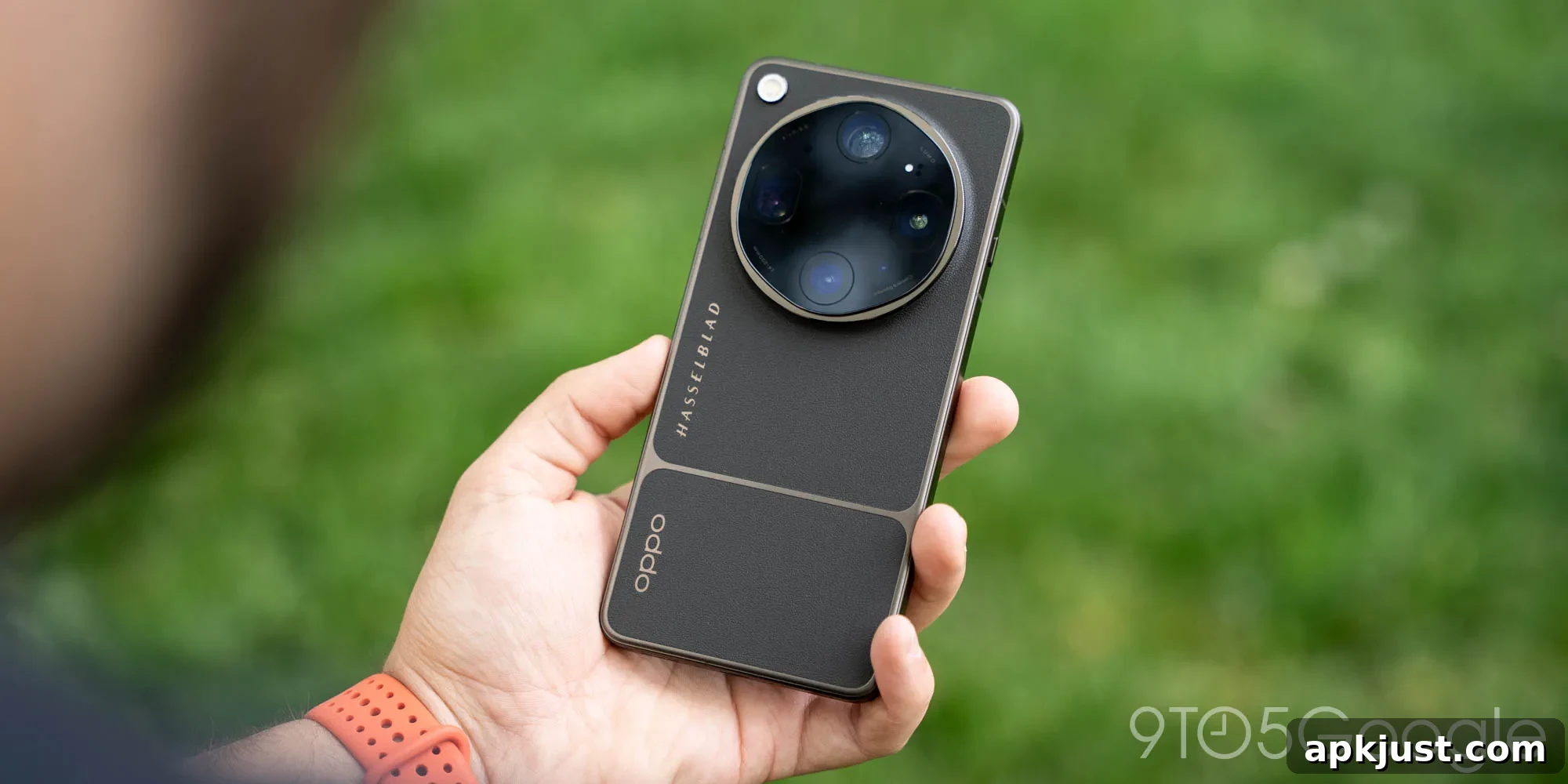
After originally appearing on Pixel phones and then arriving on Samsung Galaxy devices, Google’s AirDrop-compatible Quick Share feature is now rolling out to more Android handsets. The latest additions include models from Oppo and Vivo, marking another step in broader cross-platform file sharing between Android and Apple devices.
AirDrop support via Quick Share debuted on the Pixel 10 series. Given how this feature essentially enables Android devices to interact with Apple’s AirDrop system, Google expanded access cautiously. The Pixel 9 followed, then the Galaxy S26 family, and more Galaxy models received the capability through the One UI 8.5 beta program. That gradual approach appears to be continuing as the feature reaches additional OEMs and device lines.
- These Android phones support AirDrop sharing with iPhone and Mac (original report summarized for context)
Now the list of compatible Android phones is growing again.
The Oppo Find X9 Ultra has been confirmed to support AirDrop over Quick Share. Oppo previously hinted at this capability around the Find X9 Ultra launch, and the latest software updates have activated the feature. Once updated, the Find X9 Ultra can discover an iPhone set to the “Everyone” receiving option and exchange files directly. The process works both ways, letting iPhones detect and share with the Find X9 Ultra as long as the proper receiving mode is enabled on the iPhone.
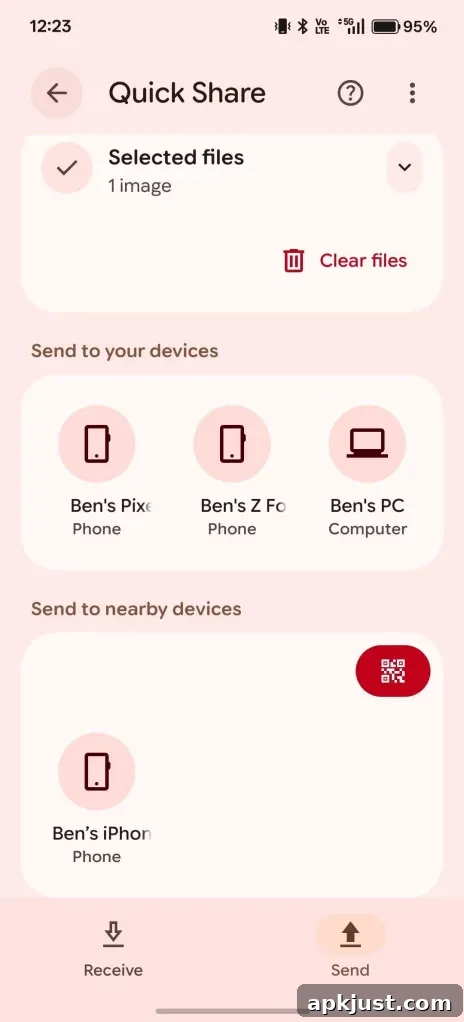
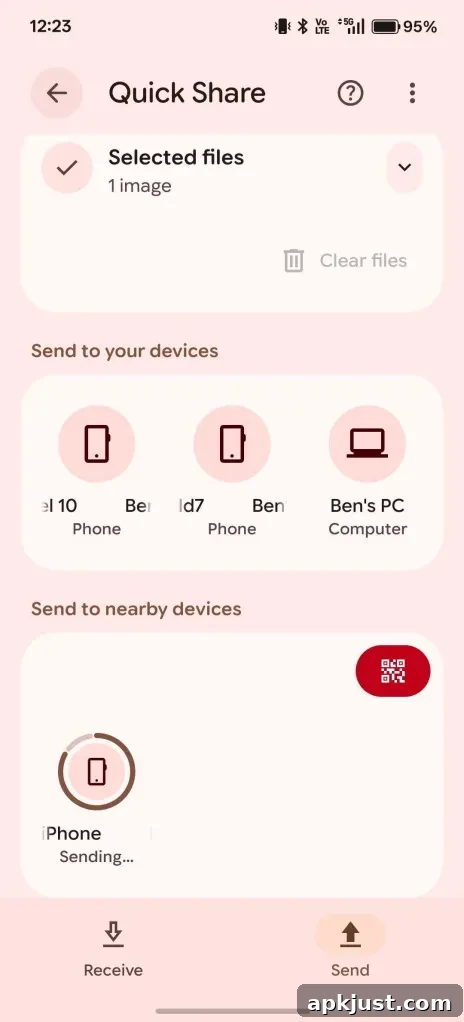
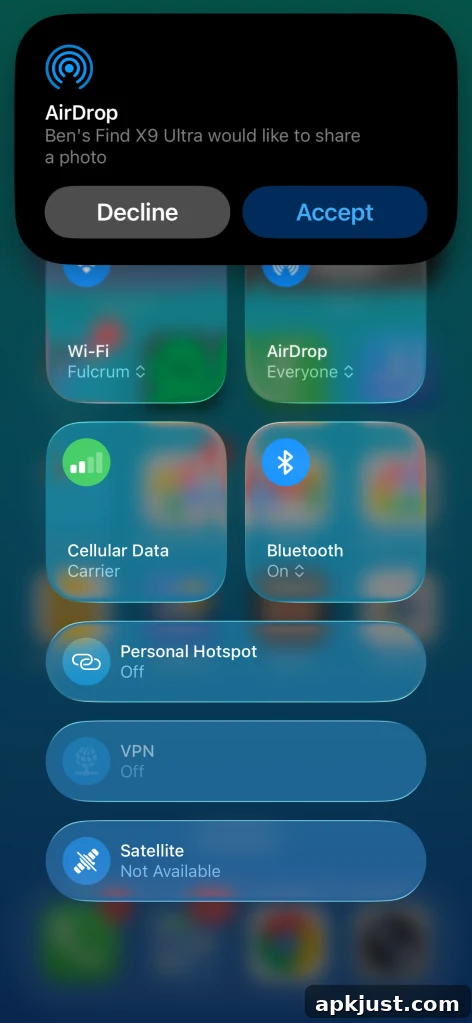
In addition to Oppo’s contribution, the Vivo X300 Ultra—another handset unveiled recently—also appears to have gained support for AirDrop over Quick Share. Reports indicate the feature began working on at least one review unit without prior public announcement from Vivo, suggesting some manufacturers may enable the functionality quietly through an update rather than a formal marketing push.
The practical result of these updates is clearer and more convenient file transfers between certain Android phones and Apple devices. Instead of relying on third-party apps, cloud uploads, or manual pairing workarounds, compatible Android phones can participate in the same simple, proximity-based sharing workflow iPhone and Mac users have long used. That means photos, videos, and other files can be exchanged more quickly and with less friction when both devices support the cross-platform protocol.
It’s worth noting how this expansion is unfolding. Google and hardware partners have taken a measured approach, enabling AirDrop compatibility first on flagship lines and then expanding support through OS updates and manufacturer firmware releases. That strategy helps limit initial issues while allowing Google and device makers to validate interoperability across different hardware, Bluetooth and Wi-Fi stacks, and software builds.
For users, the rollout means checking for system updates and the Quick Share app or settings on eligible handsets. On Apple devices, making sure AirDrop is set to “Everyone” or an appropriate receiving option will allow discovery by compatible Android devices. As more manufacturers enable the feature, the convenience of cross-platform sharing will grow, reducing the need for alternative transfer methods and making content exchange between Android and iOS more seamless.
There’s no official timeline yet for which brands and models will be next, but the inclusion of Oppo and Vivo indicates broader adoption is likely. With major manufacturers joining Pixel and Galaxy devices, this capability could become a standard expectation for premium and midrange phones over the coming months.
More on Android:
- What’s new in Android’s April 2026 Google System Updates (summary available in related coverage)
- Google Pixel voice-to-text improvements and implications for other Android phones
- Android’s upcoming ‘Tap to Share’ feature and how it can send contacts, files, and more
Follow Ben: Twitter/X, Threads, Bluesky, and Instagram (social accounts noted by the original author)