
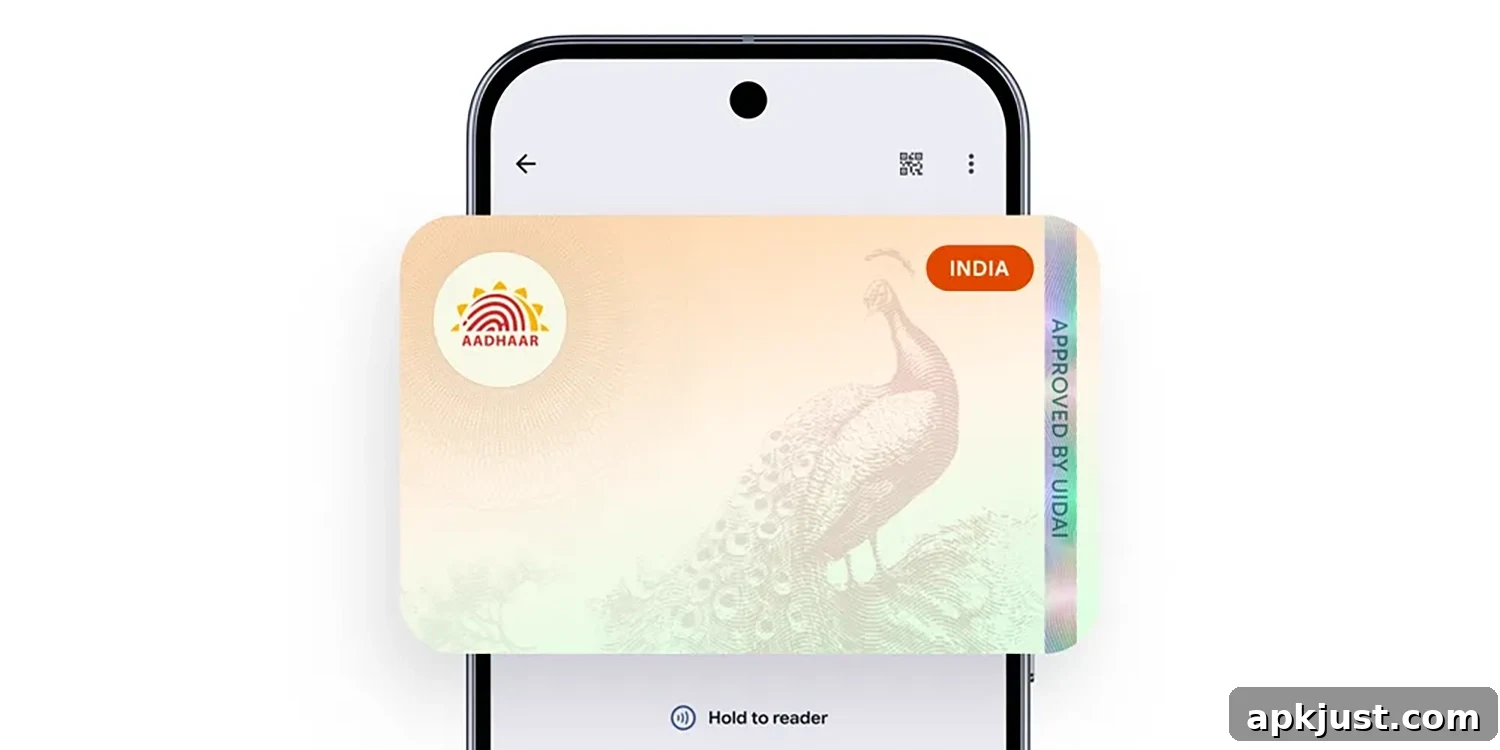
Digital ID support in Google Wallet has been gradually expanding across U.S. states and, more recently, to passports in select countries. Google is now extending that effort to India by adding support for Aadhaar Verifiable Credentials in Google Wallet.
Announced today, this rollout results from Google’s continued collaboration with the Unique Identification Authority of India (UIDAI). The integration enables people in India to store an official, digital version of their Aadhaar ID directly in Google Wallet, simplifying identity verification for a variety of everyday services.
The Aadhaar ID card is a digital-first identity credential designed to include demographic details such as name, address, gender, date of birth, and the holder’s photograph. Until now, the Aadhaar Verifiable Credential was primarily accessible through a dedicated app. With Google Wallet support, users can now carry that verified identity inside their wallet app, making it easier to present proof of identity and age when needed.
Google highlights several immediate use cases for Aadhaar Verifiable Credentials in Wallet. These examples illustrate how the integration can streamline common tasks and improve trust between users and service providers:
- PVR INOX: Verify your age quickly when booking cinema tickets and unlock app-specific rewards.
- BharatMatrimony: Increase confidence in profile authenticity by allowing verified “Prime” badges for real people.
- Atlys: Use verified credentials to securely autofill details on international visa applications, reducing manual entry and potential errors.
- MyGate: Enable secure verification of delivery personnel and service staff entering gated communities to improve safety and convenience.
- Snabbit: Facilitate trust in the gig economy by providing smooth identity checks for service providers, improving reliability for customers.
These use cases demonstrate both consumer-facing conveniences and business benefits. For consumers, storing Aadhaar credentials in Wallet reduces friction when proving identity or age. For businesses and platforms, accepting verified credentials helps curb fraud, accelerates onboarding, and builds trust between parties.
In addition to the India expansion, Google is confirming broader international progress for digital passport support. The company recently rolled out verified passport support for several countries, expanding the availability of digital travel documents inside Google Wallet. This continued international rollout reflects Google’s focus on making verified digital identity more widely accessible and practical across a range of public and private services.
More on Google Wallet:
- Google Wallet has added support for additional digital passport IDs for more regions, improving travel convenience for eligible users.
- Google Wallet is rolling out a redesigned homepage and updated search features to make cards, passes, and credentials easier to find and use.
- New Live Update features for flight tracking have been introduced, letting users receive timely status updates directly inside Wallet.
Adopting Aadhaar Verifiable Credentials in Google Wallet represents a meaningful step toward broader acceptance of digital identity standards. By enabling secure, verified identity presentation within a widely used app, the integration aims to reduce reliance on physical documents while providing strong privacy and security controls. Users retain control over which details are shared and with whom, and the credential exchange is designed to minimize unnecessary data exposure.
For service providers, supporting verifiable credentials in Wallet opens new opportunities to streamline verification flows and reduce fraud. From entertainment venues and dating platforms to travel services and community access systems, a verified digital Aadhaar credential can be used in ways that preserve user privacy while improving the speed and reliability of identity checks.
Follow Ben: Twitter/X, Threads, Bluesky, and Instagram