
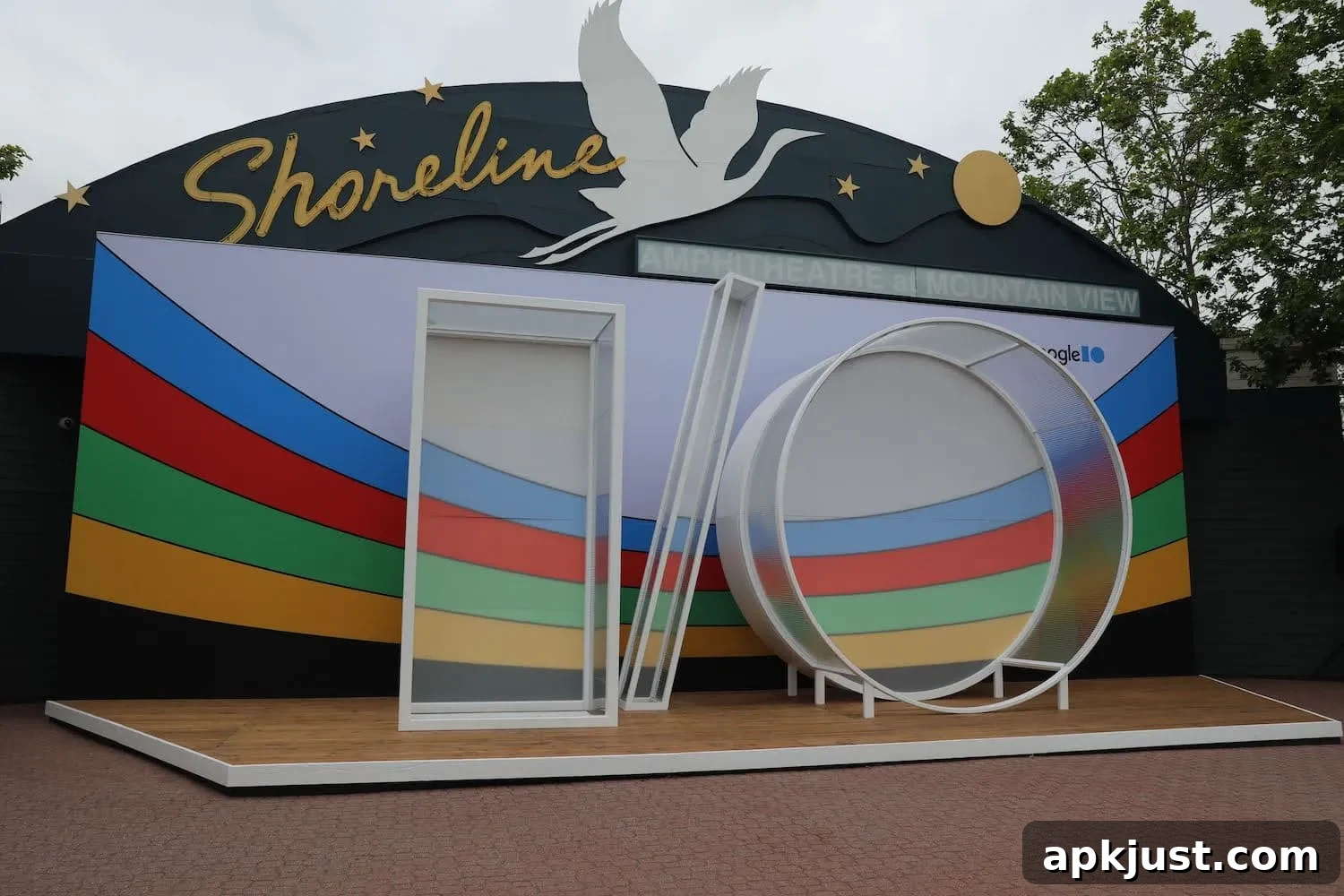
With Google I/O 2026 just weeks away, Google has published the initial session list for the developer conference, which runs May 19–20. This early schedule highlights many sessions focused on AI, Android, web development, and developer tools, with more sessions expected to be added as the event approaches.
I/O 2026 opens on Tuesday with the Google Keynote from 10:00 am to 11:45 am PT, followed by the Developer Keynote from 1:30 pm to 2:45 pm PT. These keynotes will set the stage for the technical sessions that follow and outline Google’s direction for the year.
Updating…
After the keynotes, sessions begin across multiple tracks. Several “What’s new” sessions span the conference and delve into platform updates, new capabilities, and practical guidance for developers.
What’s new in Google AI
This session presents Google’s end-to-end AI ecosystem, covering the latest model capabilities in multimodal processing, media generation, and robotics. Attendees will learn how these advances integrate with Google’s infrastructure and how to apply them when building intelligent agents, experimenting with new tooling, or deploying and serving open-source models. The session aims to clarify the toolchain developers need to create next-generation AI applications.
What’s new in Android
This session reviews the most important updates for Android developers. Topics include UI advancements with Jetpack Compose, performance and productivity enhancements in Android 17, and new capabilities for media and camera apps. It also covers improvements for desktop and large-screen experiences and demonstrates how agentic automation is being used to help users accomplish tasks more efficiently.
What’s new in Chrome
This talk explores the forward direction of the browser and the web platform in 2026. Expect a look at new web capabilities that improve reliability, performance, and intelligence, and practical guidance for leveraging these features to build richer, more capable web applications.
What’s new in Google Play
This session highlights recent tools and updates for Google Play aimed at helping developers grow their apps and businesses. It focuses on distribution, monetization, and developer services that support app success across user segments and device types.
What’s new in Firebase
Firebase is evolving to support agent-native architectures, enabling faster development of intelligent applications. This session covers integrations with AI Studio and other tooling designed to speed full-stack development, from prototyping to production, while leveraging Google Cloud for secure, scalable deployments.
What’s new in the Gemma open model family
Focused on the Gemma family of open models, this session explains the latest additions and practical tools for using these models at scale. Attendees will see end-to-end workflows from model discovery to deployment and learn best practices for experimenting with Gemma and delivering AI features across cloud, desktop, and mobile environments.
What’s new in Android development tools
This session covers recent improvements in Android Studio and related tools that accelerate development. Demonstrations will showcase features designed to streamline workflows across Android APIs, and provide an early look at Gemini-related capabilities for app building.
What’s new in Web UI
A rapid tour of browser UI innovations, this session focuses on building beautiful, performant web experiences. Topics include interactive features such as scroll-triggered animations and scoped view transitions, modern UI components, and approaches that let developers ship better interfaces with less code using native HTML and CSS primitives.
What’s new in Flutter
This session explores recent Flutter framework updates, from performance improvements to new features for adaptive user interfaces. It highlights Flutter GenUI and demonstrates how AI-generated, adaptive experiences can be created across platforms, offering a vision for efficient multi-platform app development.
Google will continue adding sessions and details as the event nears. Historically, the full schedule often becomes available after the main keynote, so expect additional technical talks and hands-on sessions to appear closer to the conference dates.
One highlighted session on the current list:
Adaptive development for the expanding Android ecosystem
Android 17 reflects an “Adaptive Everywhere” shift, where users move seamlessly between phones, cars, living rooms, and immersive environments. This session explains why that transition matters and introduces the technical tools enabling it. The discussion centers on Jetpack Compose as the primary engine for building modern Android UIs that work across foldables, desktops, cars, TVs, and XR devices, providing practical guidance for creating adaptive experiences.