
Android is in an odd moment: more capable than ever, yet drifting from the platform many of us knew when it launched nearly 20 years ago. What changed, and why does Android sometimes feel less distinct now?
Table of contents
- Copying and converging design principles
- A shrinking playing field with fewer players
- The end of “tinkering” with our phones
- Is AI becoming a problem for the “old” Android?
- A mature, maybe muted future for Android
The early Android era felt like the wild west: experimental hardware, diverse form factors, and wildly different software skins. Lately, that sense of experimentation has been declining. Android seems to be converging on a more homogenized look and behavior, often borrowing design cues from iOS. That shift raises a straightforward question: is Android losing what made it unique?
For more video content, subscribe to 9to5Google on YouTube.
Copying and converging design principles
The most visible change is in design. For years, many Android makers embraced distinctive interfaces: bold visual styles, unconventional shapes, and software skins that clearly set them apart from iOS. Today, however, a more restrained, rounded, and flat aesthetic has become widespread. Many vendors have adopted similar notification layouts, blur effects, and polished finishes that resemble Apple’s recent styling choices.
Some of this convergence is practical: rounded corners, flat rails, and cleaner visuals often improve usability. But there is a trade-off. The creative energy that once produced unusual hardware and divergent software is being replaced by refinement and iteration on a narrower design language. After all, a modern phone is mostly a screen and a camera module, so design options naturally compress over time.

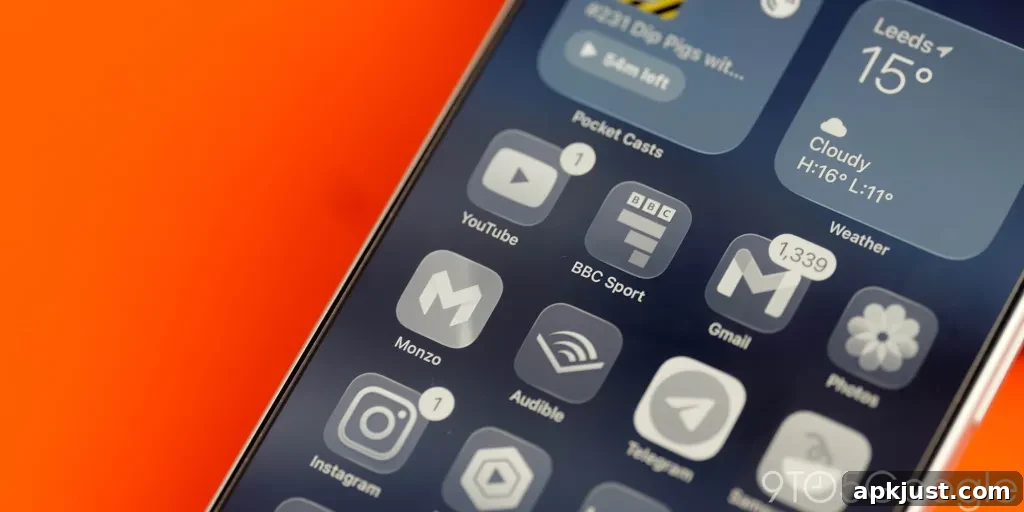
Google’s own Pixel line has adopted familiar touches to ease transitions for iPhone users, and third-party brands often follow suit. Meanwhile, Google’s Material 3 Expressive still provides a distinct option for those who prefer it, but many manufacturers have leaned toward a more iOS-like presentation. That shift feels less like evolution and more like convergence.
A shrinking playing field with fewer players
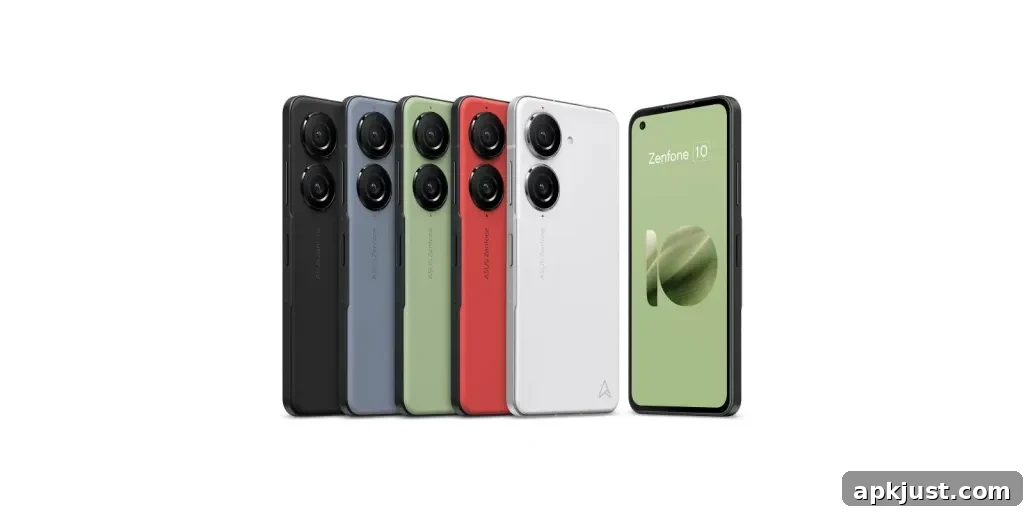
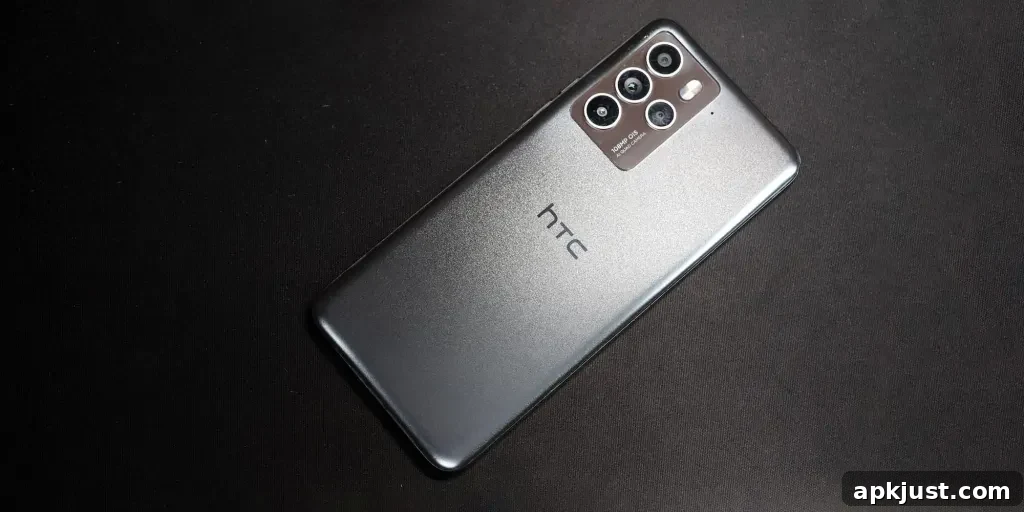
Another factor is market consolidation. The crowded, chaotic marketplace of the past—full of risk-taking startups and regional champions—has thinned. In many regions, Samsung and Apple dominate, with Samsung taking a large share of Android sales. Fewer competitive challengers at scale can reduce pressure to innovate rapidly.
When major rivals fade or stall, the remaining leaders may become more comfortable with incremental changes rather than bold experimentation. That consolidation removes some of the external forces that once pushed brands to take risks. The result is a market filled with competent, well-made products, but with fewer surprising breakthroughs.
The end of “tinkering” with our phones
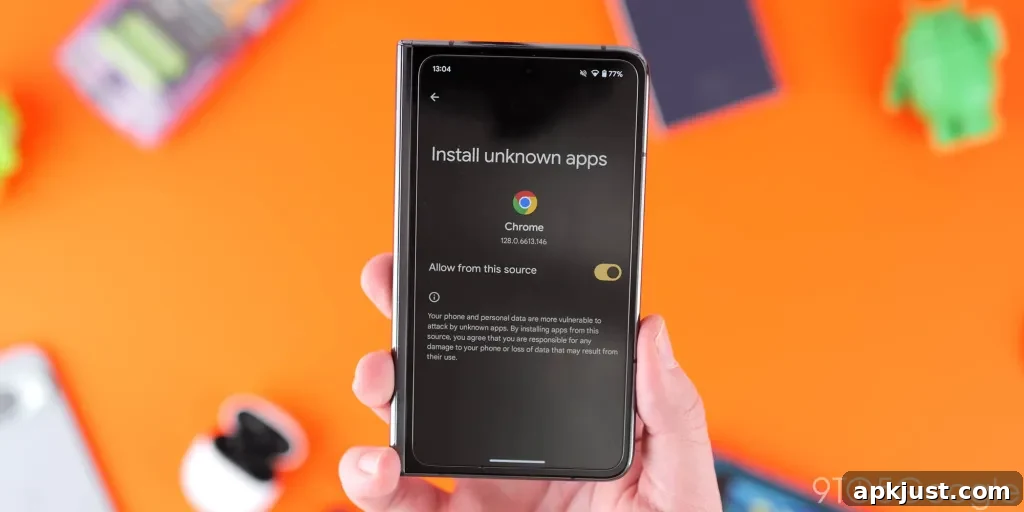
For years, Android’s openness allowed enthusiasts to sideload apps, install alternative app stores, and run custom ROMs. That freedom reinforced Android’s identity as a platform for tinkering and personalization. Recently, however, sideloading has become more restricted and surrounded by warnings framed as security precautions. Those changes make sideloading feel risky to the average user, even if many third-party apps are safe.
At the same time, core components once available through the open-source Android base are increasingly delivered through proprietary services. This shift narrows the surface area for independent developers and custom ROM communities, reducing the practical freedom that defined Android in its early years. The result is a platform that looks more curated and less openly moddable.
Is AI becoming a problem for the “old” Android?
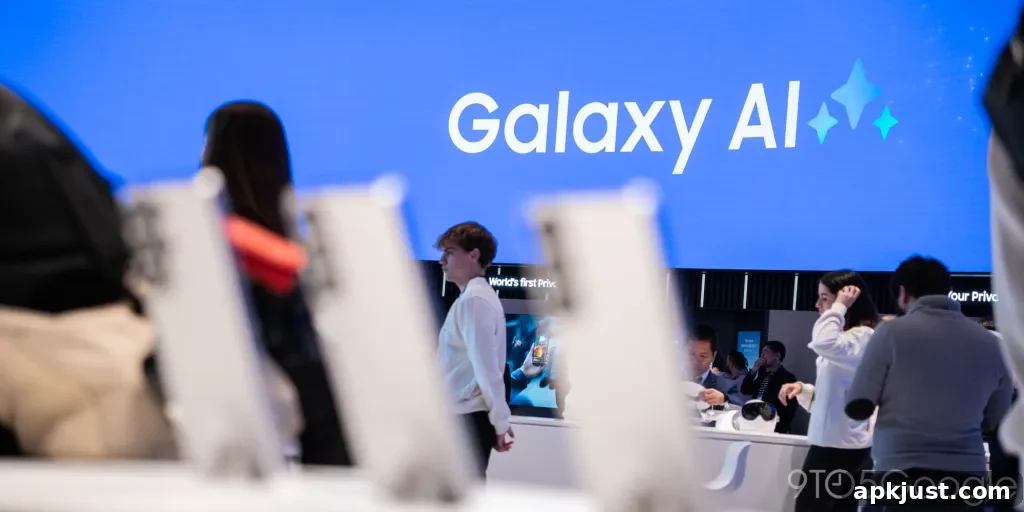
AI is the newest disruptive force. Manufacturers and platform owners are integrating AI features deeply into the user experience—sometimes because they genuinely add value, and sometimes because they are a compelling marketing angle to encourage upgrades. Many everyday users still rely on the same core apps they have for years, so adding AI-driven capabilities is one way to differentiate new models.
On some devices, AI brings genuinely useful improvements: smarter call screening, improved translations, organized screenshots, and productivity tools that feel integrated. On the other hand, heavily promoting an AI layer can overshadow the platform itself, shifting attention from the underlying operating system to branded intelligence services. That can further blur what makes Android unique versus other ecosystems adopting similar AI features.
A mature, maybe muted future for Android
Android is far from dead. It remains flexible, powerful, and ubiquitous. But the platform has matured into something different from its early, chaotic days. Where it once stood as an experimental alternative to iOS, it now often prioritizes polish, integration, and safety over radical divergence.
This evolution has benefits: a more consistent experience, improved security, and tighter integration with services many people rely on. Yet it also means that the wild creativity and tinkerer spirit that defined Android for many years feels diminished. Whether that loss is regrettable depends on what you value most: the freedom to customize and experiment, or a refined, cohesive experience that works reliably for the majority.
The future will likely be dominated by AI-driven features and closer collaboration between major companies, which may further standardize behavior across platforms. But even in a more uniform landscape, there will still be room for surprises and innovation. For now, Android’s “soul” is evolving—becoming more mature and mainstream—and it’s up to enthusiasts and developers to keep pushing the platform forward in new directions.